
Disclosure: this article contains affiliate links. If you buy through them, Bright Technology may earn a small commission at no extra cost to you. As an Amazon Associate, we earn from qualifying purchases.
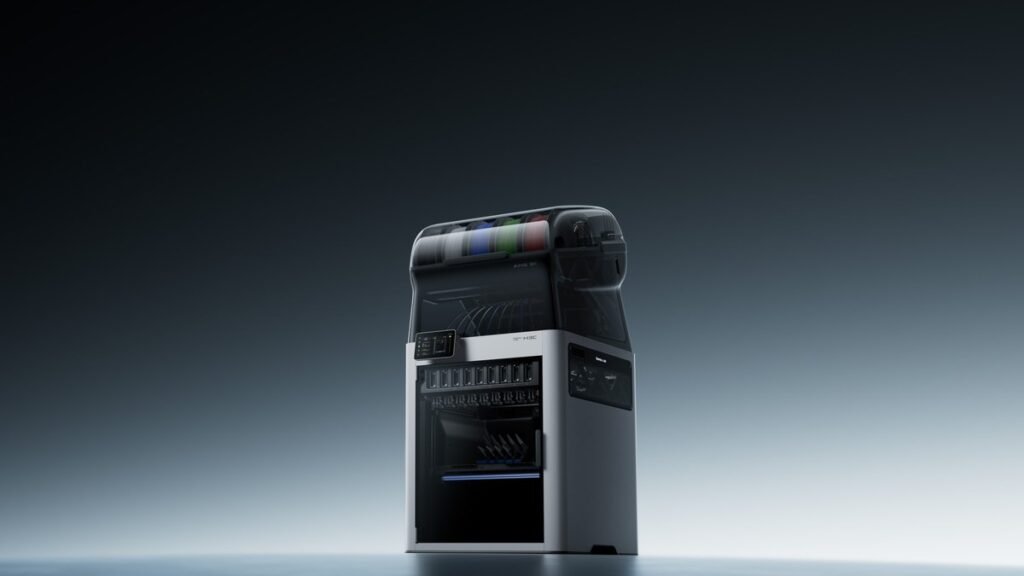
The Bambu Lab H3C is Bambu Lab’s new flagship 3D printer, unveiled on November 3, 2026: the first of its third generation and its first nine-tool changer. Each material gets its own print head, so switching colors or filaments takes seconds and wastes almost no plastic. Here is the price, the specs and who it is actually worth it for.
- Bambu Lab H3C: key specs
- Bambu Lab H3C price and availability
- Swaptek: nine tools and 6-second material changes
- Color mixing and multi-material printing
- FlexFeed: soft TPU up to 3x faster
- AMS 3H: nine sealed spools and built-in drying
- Engineering materials, speed and extras
- Official accessories and upgrades
- Who the H3C is for
- Is the Bambu Lab H3C worth buying?
- Common mistakes before buying
- Which one should you choose?
- FAQ
- Keep reading
- Official sources
Quick answer: the H3C Combo with the AMS 3H costs €2,499 on Bambu Lab’s official European store, with shipping estimated around November 26, 2026. It is worth it if you print in several colors or materials every day (PLA with soluble supports, soft TPU, engineering parts). If you mostly print single-color PLA, a simpler printer costs far less.
Bambu Lab H3C: key specs
| Feature | Bambu Lab H3C |
|---|---|
| Tool changer | Swaptek, 9 print tools |
| Material change | 6 s (tool change in 3.4 s) |
| Purge per change | 38 mg in manufacturer tests |
| Build volume | 330 × 320 × 325 mm (13 × 12.6 × 12.8 in) |
| Nozzle | Hardened steel, up to 350°C (0.2 to 0.8 mm) |
| Heated bed | Up to 120°C |
| Chamber | Enclosed, active heating up to 65°C |
| Speed | 1,400 mm/s and 25,000 mm/s² |
| Filament | 1.75 mm and 2.85 mm (bypass feed only) |
| Filament system | AMS 3H: 9 spools, 2-slot dryer up to 85°C |
| Connectivity | Wi-Fi 6, no Ethernet |
| Weight | 36.28 kg (80 lb) with the AMS 3H |
| Price | €2,499 (Combo with AMS 3H, Europe) |
Bambu Lab H3C price and availability
The Bambu Lab H3C Combo costs €2,499 on Bambu Lab’s official European store, AMS 3H included, with shipping estimated around November 26, 2026. Check Bambu Lab’s US store for dollar pricing and local shipping dates.
There are several bundles: the standard Combo, starter packs with TPU and CMYKW filaments for color mixing, and a Full Combo with the Bambu Station L cabinet.
Swaptek: nine tools and 6-second material changes
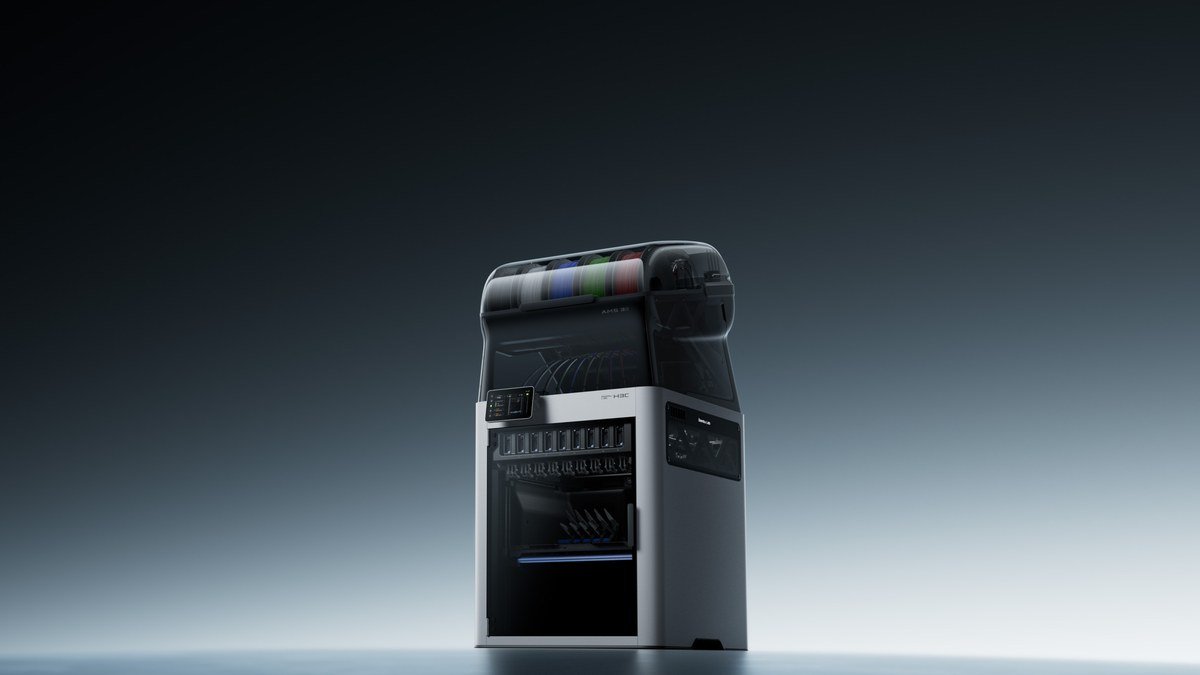
Swaptek is the headline feature: nine print tools, each with its own filament path and heater. Filament stays loaded in its tool, so there is no retracting one filament and feeding the next, as on single-nozzle printers.
Bambu Lab quotes these figures from internal testing: a 3.4-second tool change, a 6-second material change with PLA and just 38 mg of purge per change. Active preheating warms the next nozzle while the current one is still printing.
In practice, multicolor printing stops being slow and wasteful. If you come from a single-nozzle printer with an AMS, the difference in print time and wasted plastic is huge.
Color mixing and multi-material printing

Because changes are so fast, the H3C can blend colors by stacking thin layers of five filaments (cyan, magenta, yellow, black and white). That gives you many shades without buying a spool for every detail. Bambu Lab notes it requires its CMYKW PLA Palette filament.
It also runs mixed nozzle sizes at once (0.2 to 0.8 mm): fine detail where it matters and a larger nozzle where speed counts. Extra hotends are sold separately. To see how it compares with other options, read our guide to the best multicolor 3D printers.
FlexFeed: soft TPU up to 3x faster
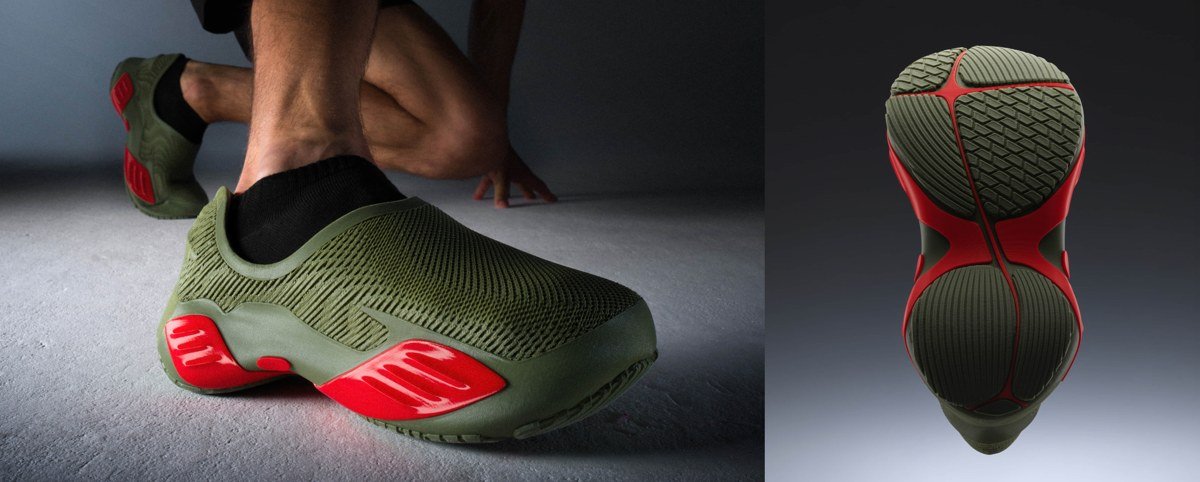
The FlexFeed extruder handles both 1.75 mm and 2.85 mm filament. With 2.85 mm TPU, which stays stiffer under pressure, Bambu Lab claims TPU as soft as 75A printed up to 3x faster than its previous generation (measured as maximum volumetric flow in its tests).
That is useful for soles, straps, gaskets and cases. Note that right now the only 2.85 mm filament in Bambu Lab’s store is TPU 75A.
AMS 3H: nine sealed spools and built-in drying
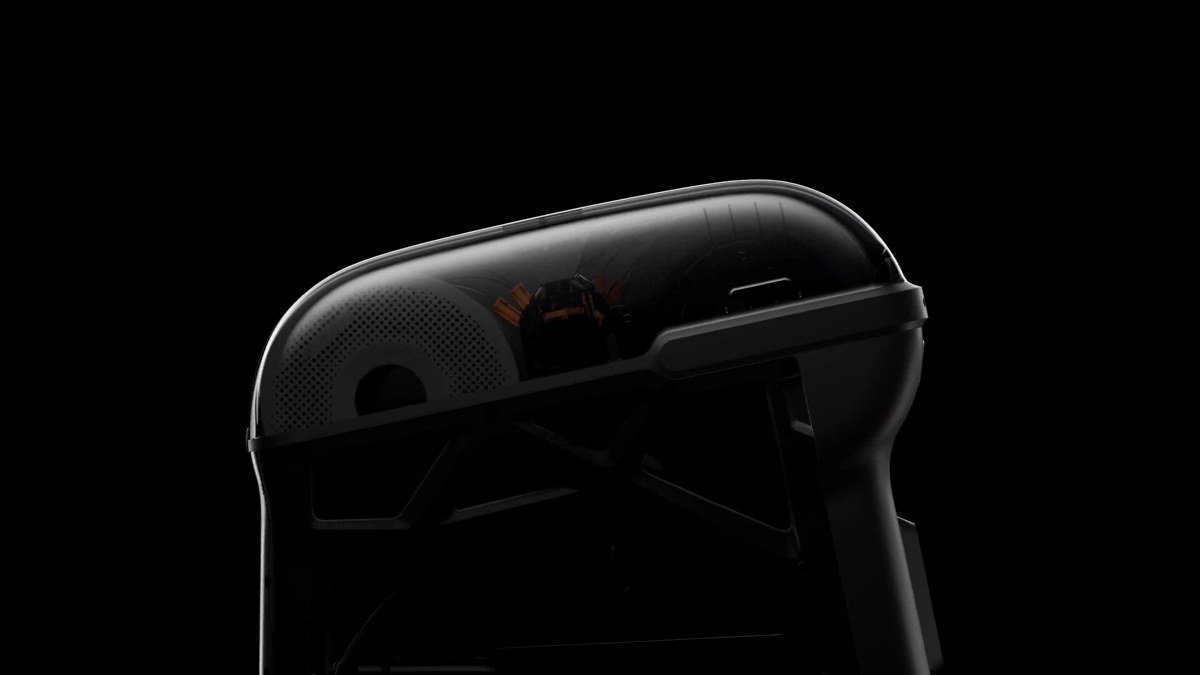
- 9 spools in a sealed, moisture-proof chamber
- Automatic filament loading
- 2-slot dryer up to 85°C
- Up to 24 spools by adding older AMS units
The AMS 3H sits on top of the printer and keeps the same footprint. Its dryer handles moisture-hungry materials such as PA, PET and TPU, and can dry while printing with selected filaments. If you already own an older AMS, you can connect it through tool No. 1 and reach 24 spools.
Engineering materials, speed and extras
The H3C is built for technical parts too. Its hardened steel nozzles reach 350°C and the chamber heats actively to 65°C, so it handles ABS, ASA, PC, PA and carbon or glass fiber blends. If you are new to these filaments, see our guide to 3D printing materials.
- Speed: a toolhead 40% lighter than the H2D’s and jobs that finish over 10% faster on average than Bambu’s previous flagship.
- Automatic calibration of all nine tools before every print.
- AI monitoring: spots spaghetti, purge chute jams and nozzle clogs.
- Optional creation tools: blade cutting, drawing, embossing and foil transfer, sold separately.
- H11 HEPA and activated carbon filter for chamber air.
Official accessories and upgrades
- Bambu Station L: a cabinet that raises the printer to a comfortable height with storage underneath.
- E1 air purifier: switches on when a print starts and filters VOCs, PM2.5 and 0.3 μm microplastics.
- Vision encoder: an optional plate that recalibrates motion accuracy to under 50 μm for production work.
- BirdsEye camera: a 3264 × 2448 top view; its enhanced AI monitoring is planned for the first half of 2027.
On screen, the new HMS with MiniWiki explains the cause of each error and walks you through the fix without your phone. The H3C works with Bambu Studio and accepts other slicers that export standard G-code, with some advanced features unavailable.
Who the H3C is for
- Print farms and small businesses: multicolor parts and short production runs without constant filament swaps.
- Product designers and engineers: prototypes that mix rigid and flexible materials, or use soluble supports.
- Cosplay and figure makers: full-color models through layer-based color mixing.
- Schools and makerspaces: automatic calibration and on-screen troubleshooting reduce hands-on support.
For all of them, the key benefit is the same: the printer handles the material changes and the calibration, so you spend your time designing instead of babysitting the machine, even on long overnight jobs.
Is the Bambu Lab H3C worth buying?
The H3C is worth it if multi-material printing is part of your daily work: prototypes with soluble supports, multicolor parts you sell, soft TPU or production batches. You save time on every change, waste far less plastic and the machine calibrates itself.
It is not worth it if you mostly print single-color PLA or you are just starting out. For this money, simpler printers cover that easily. Compare first in our ranking of the best 3D printers and the best professional 3D printers.
Common mistakes before buying
- Forgetting the space: with the AMS 3H it measures 493 × 571 × 1016 mm and weighs over 36 kg.
- Expecting Ethernet: it only has Wi-Fi 6.
- Assuming everything is included: extra hotends, creation tools and the BirdsEye camera cost extra.
- Ignoring power draw: up to 1,850 W peak on the 110 V version, though printing PLA draws about 240 W.
- Buying only for color mixing: it needs specific CMYKW filaments.
Which one should you choose?
| If you… | Choose |
|---|---|
| Print in several colors or materials every day | Bambu Lab H3C |
| Make engineering parts in a single material | An enclosed single-nozzle printer |
| Are new to 3D printing | An entry-level printer |
| Want multicolor on a smaller budget | A printer with an AMS and a single nozzle |
Torn between brands? Read our Bambu Lab vs Creality comparison.
FAQ
The Bambu Lab H3C Combo with the AMS 3H costs €2,499 on Bambu Lab’s official European store in November 2026. Check the US store for dollar pricing.
It was unveiled on November 3, 2026. The official European store estimates shipping around November 26, 2026.
It has nine print tools and the AMS 3H holds nine spools. Adding older AMS units extends it to 24 spools, and CMYKW filaments let it blend colors by stacking layers.
The maximum build volume is 330 × 320 × 325 mm, in an enclosed chamber with active heating up to 65°C.
Yes. Its FlexFeed extruder takes 1.75 mm and 2.85 mm TPU, and with 2.85 mm it prints TPU as soft as 75A up to 3x faster than the previous generation, per Bambu Lab’s tests.
Keep reading
Official sources
- Bambu Lab: H3C product page and specs (bambulab.com)
- Bambu Lab: official European store (price and shipping)
- Bambu Lab: official blog (H3C announcement)