
Disclosure: this article contains affiliate links. If you buy through them, Bright Technology may earn a small commission at no extra cost to you. As an Amazon Associate, we earn from qualifying purchases.
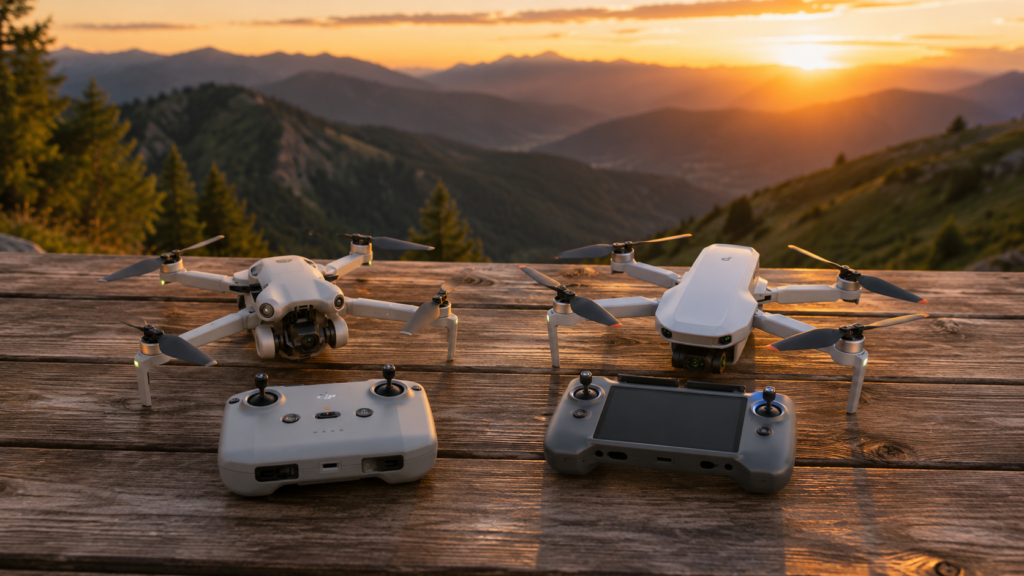
DJI Mini 4 Pro vs Potensic Atom is the classic sub-250 g drone dilemma. For years the answer to “which lightweight drone has a great camera?” was simply “buy a DJI.” Then brands like Potensic closed much of the gap at a far lower price, and now the real question is whether the Mini 4 Pro’s extra cost is worth it for you. Both are foldable, GPS-equipped and light enough to take anywhere, but they suit slightly different buyers.
- Quick verdict: DJI Mini 4 Pro or Potensic Atom?
- DJI Mini 4 Pro vs Potensic Atom: specs compared
- The three differences that really matter
- Design and portability
- Camera quality
- Video quality
- Flight time
- Flying experience
- Ease of use
- Which one should you buy?
- Bottom line
- DJI Mini 4 Pro vs Potensic Atom FAQ
- Keep reading
Quick answer: if budget isn’t an issue, the DJI Mini 4 Pro is the better drone: a 48 MP camera, 4K at up to 100 fps, omnidirectional obstacle sensing, ActiveTrack 360° and the polished DJI Fly app. If you want the smartest buy for a first drone and mostly recreational flying, the Potensic Atom delivers most of the experience for considerably less and is arguably the best DJI alternative in its class.
Quick verdict: DJI Mini 4 Pro or Potensic Atom?
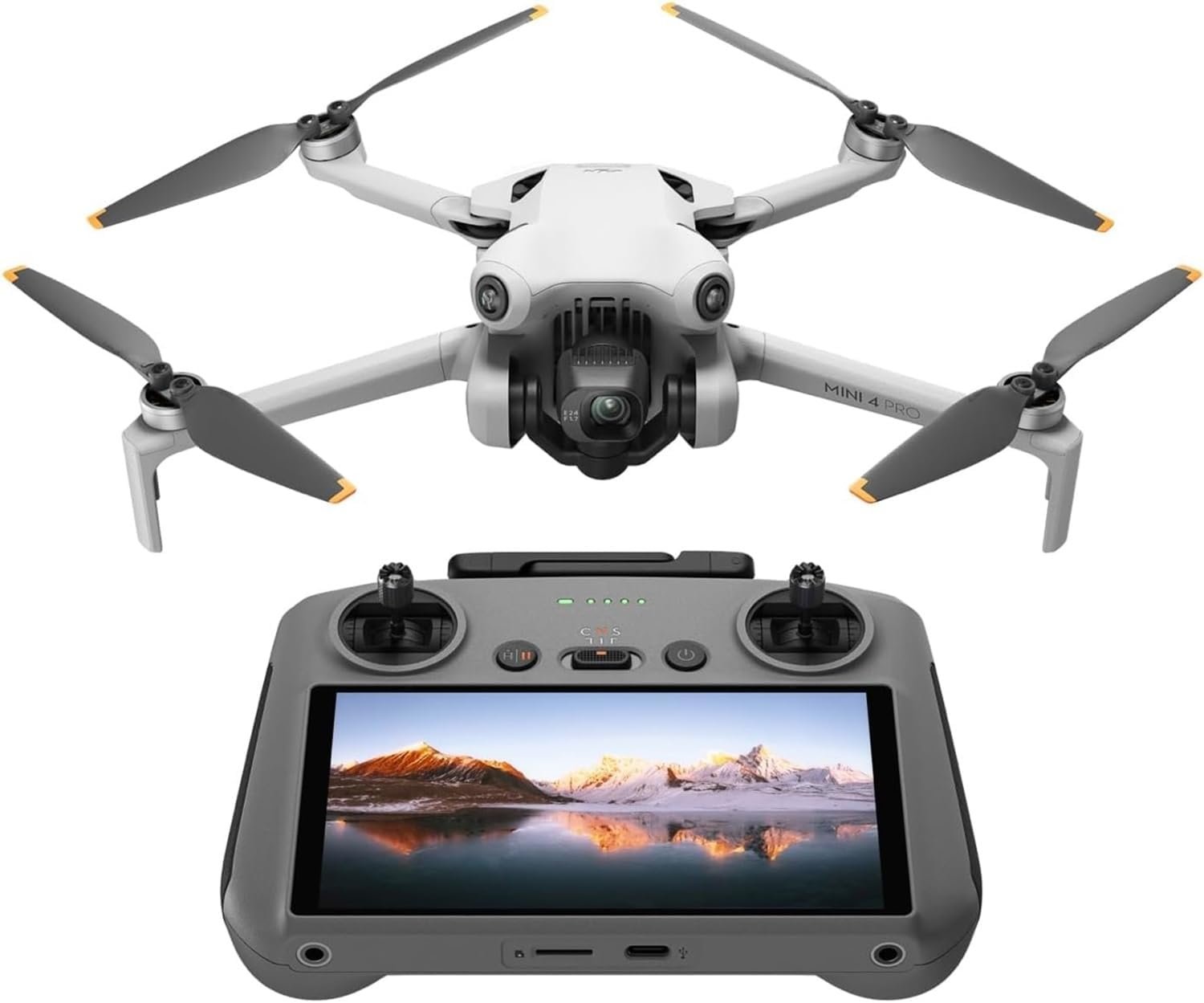
Buy the DJI Mini 4 Pro if…
- You want the best camera among sub-250 g drones
- You want DJI’s ecosystem and smart features
- You plan to keep the drone for many years
- Photo and video quality are a priority
DJI Mini 4 Pro at a glance
- Under 249 g
- 48 MP photos
- 4K up to 100 fps
- Omnidirectional obstacle sensing
- ActiveTrack 360°
- Up to 34 min flight time
Buy the Potensic Atom if…
- You want the best value for money
- You want to save money without a poor experience
- It’s your first drone
- You’ll fly mainly for fun and travel
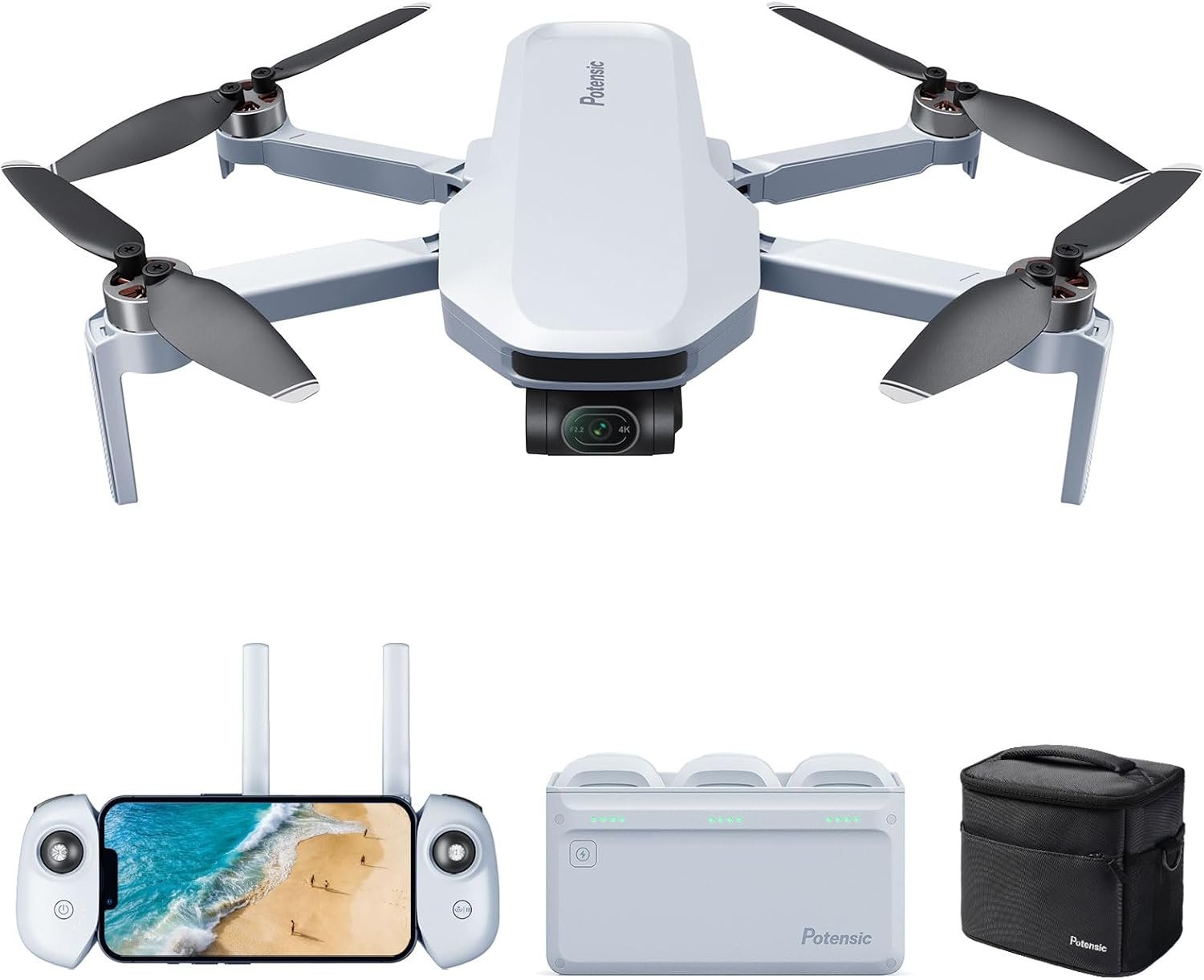
Potensic Atom at a glance
- Under 249 g
- 12 MP photos
- 4K video
- GPS and Return to Home
- No obstacle sensors
- Up to 32 min flight time
Potensic has since released newer models such as the Atom 2, which many buyers now compare against the Mini 4 Pro as well. The figures in this article refer to the original Atom, so check the exact model and its current specs before you order.
DJI Mini 4 Pro vs Potensic Atom: specs compared
| Spec | DJI Mini 4 Pro | Potensic Atom |
|---|---|---|
| Weight | Under 249 g | Under 249 g |
| Video | 4K up to 100 fps | 4K |
| Photos | 48 MP | 12 MP |
| Max flight time | 34 min | 32 min |
| Real-world flight time | 30-34 min | 28-30 min |
| GPS | Yes | Yes |
| Obstacle sensing | Omnidirectional | None |
| Tracking | ActiveTrack 360° | Basic |
| App | DJI Fly | Potensic Eve |
| Price | Higher | Lower |
The three differences that really matter
Many people compare these two drones on price alone, but that misses the point. Three differences decide it.
- DJI still wins clearly on software. The DJI Fly app, ActiveTrack 360°, accurate Return to Home and overall stability make the whole experience more polished. You notice it most after using both for a while.
- The Potensic Atom is a big surprise for the price. Its image quality, flight stability and battery life will satisfy most users, which is why it has become one of the smartest buys for anyone trying to save money.
- Safety is the biggest gap. The Mini 4 Pro’s omnidirectional obstacle sensing gives peace of mind the Atom can’t match, especially during your first months of learning.
Design and portability
On paper the two play in the same league. Both weigh under 249 g, fold up and slip into a small backpack, so either works as a travel drone.
Up close, the Mini 4 Pro feels more premium. The finish is excellent, the hinges are solid and the gimbal guard inspires confidence in transit. The Atom is also well built and doesn’t feel cheap, with better materials than many buyers expect. DJI is still a step ahead in overall refinement, and that difference shows over time.
Winner: DJI Mini 4 Pro, not by a wide margin, but for build quality and perceived finish.
Camera quality
This is one of the biggest gaps. The Mini 4 Pro’s camera is aimed at people who want top performance for both photos and video. Detail, dynamic range and color are among the best in the category, and it adds recording profiles and advanced options that matter to creators and demanding photographers.
The Atom’s image quality is surprisingly good for its price. In daylight it produces sharp photos and video that satisfy most users. When light gets difficult, or when you want to push the files in editing, the Mini 4 Pro plays in a different category.
Winner: DJI Mini 4 Pro.
Video quality
Both drones record 4K, but the experience isn’t identical. The Mini 4 Pro offers more flexibility through color profiles, more recording options and excellent stabilization that keeps footage smooth even during demanding maneuvers.
The Atom performs well in normal conditions, with sharp video, pleasant color and stabilization that works for trips, holidays and social media. If your content is for YouTube, Instagram or personal use, you will probably be happy with either one. If you work professionally or enjoy editing, the Mini 4 Pro gives you noticeably more creative room.
Winner: DJI Mini 4 Pro.
Flight time
Both batteries are very good, and real-world differences are smaller than the official numbers suggest.
| Drone | Real-world flight time |
|---|---|
| DJI Mini 4 Pro | 30-34 minutes |
| Potensic Atom | 28-30 minutes |
That is only a few minutes apart, so battery life shouldn’t decide this one. With either drone, buy a bundle with several batteries: it changes how you use the drone more than anything else.
Winner: DJI Mini 4 Pro, by a very small margin.
Flying experience
This is where DJI keeps its distance, not because the Atom flies badly. It is stable and pleasant to pilot. But the Mini 4 Pro feels more precise: movements are very smooth, stick response is immediate and it inspires confidence even in more demanding situations.
Its omnidirectional obstacle sensing adds a real safety margin for people who are still learning. The Atom has GPS, Return to Home and several flight aids, but it trails on automation and safety. In moderate gusts the Mini 4 Pro also feels slightly steadier, though the difference isn’t huge.
Winner: DJI Mini 4 Pro.
Ease of use
Both drones are easy to use, but the DJI ecosystem remains the benchmark. The DJI Fly app is more intuitive, updates arrive often and hardware and software work together very well. The Atom is simple too, though in some areas it still feels like a younger ecosystem. For a first drone, both are perfectly valid, but DJI makes everything a little more intuitive from day one.
Winner: DJI Mini 4 Pro.
Which one should you buy?
| If you are… | Best pick |
|---|---|
| A traveler | Tie |
| A beginner | DJI Mini 4 Pro |
| A photographer | DJI Mini 4 Pro |
| A content creator | DJI Mini 4 Pro |
| Looking to save money | Potensic Atom |
| Looking for the best value | Potensic Atom |
| A professional user | DJI Mini 4 Pro |
If budget weren’t a factor, we would still pick the Mini 4 Pro for its ecosystem, intelligent tracking and overall quality. On a tight budget, the Atom is easy to recommend and probably the best DJI alternative in this weight class. Many people overestimate how much they will use the Mini 4 Pro’s extra features, so if you just want to travel, film your vacations and enjoy flying, the Atom offers a lot for the money.
Both weigh under 250 g, so in the US neither needs FAA registration for purely recreational flying, but you must pass the free TRUST test. DJI availability in the US can vary because of regulatory restrictions, so check current stock first. For other options, see our DJI Mini 4 Pro review, our Potensic Atom review and the list of best budget drones. If you are weighing a step up, read DJI Mini 4 Pro vs DJI Air 3.
Bottom line
The DJI Mini 4 Pro is the better drone: stronger camera, obstacle sensing, smarter tracking and more mature software. Pay for it if you will use those features and plan to fly for years. The Potensic Atom is the smarter purchase if price matters most, offering a balanced, stable experience for travel, learning and casual content at a much lower cost.
DJI Mini 4 Pro vs Potensic Atom FAQ
The DJI Mini 4 Pro. Its 48 MP camera, higher dynamic range and advanced recording options give better photos and video. The Atom is very good for travel, fun and social media, but the Mini 4 Pro remains the reference for image quality.
The Potensic Atom. For a considerably lower price it offers a complete experience, good flight time and image quality that surprises most users. You don’t always need the most expensive model to enjoy a good drone.
It depends on budget. If you can afford it, the Mini 4 Pro is the safer choice thanks to obstacle sensors, ActiveTrack 360° and an intuitive app. If you want to spend less, the Atom is an excellent drone to learn on.
The DJI Mini 4 Pro feels slightly more stable in moderate gusts. There is no huge gap, but it gives more confidence in less favorable conditions.
Yes, if you will use DJI’s smart features, the better camera and the ecosystem. No, if you simply want a drone to travel with, record your vacations and enjoy flying. In that case the Atom offers a lot for the price.
The Mini 4 Pro manages roughly 30-34 minutes and the Atom about 28-30 minutes in real-world use, against 34 and 32 minutes officially. A multi-battery bundle is worth it for either drone.
Both weigh under 250 g, so FAA registration isn’t required for purely recreational flying, but you still need to pass the free TRUST test and follow the rules.
Yes. It is arguably the best DJI alternative in the sub-250 g class, offering GPS, 4K video and solid flight time. It lacks obstacle sensors and DJI’s more advanced tracking.