

Disclosure: this article contains affiliate links. If you buy through them, Bright Technology may earn a small commission at no extra cost to you. As an Amazon Associate, we earn from qualifying purchases.
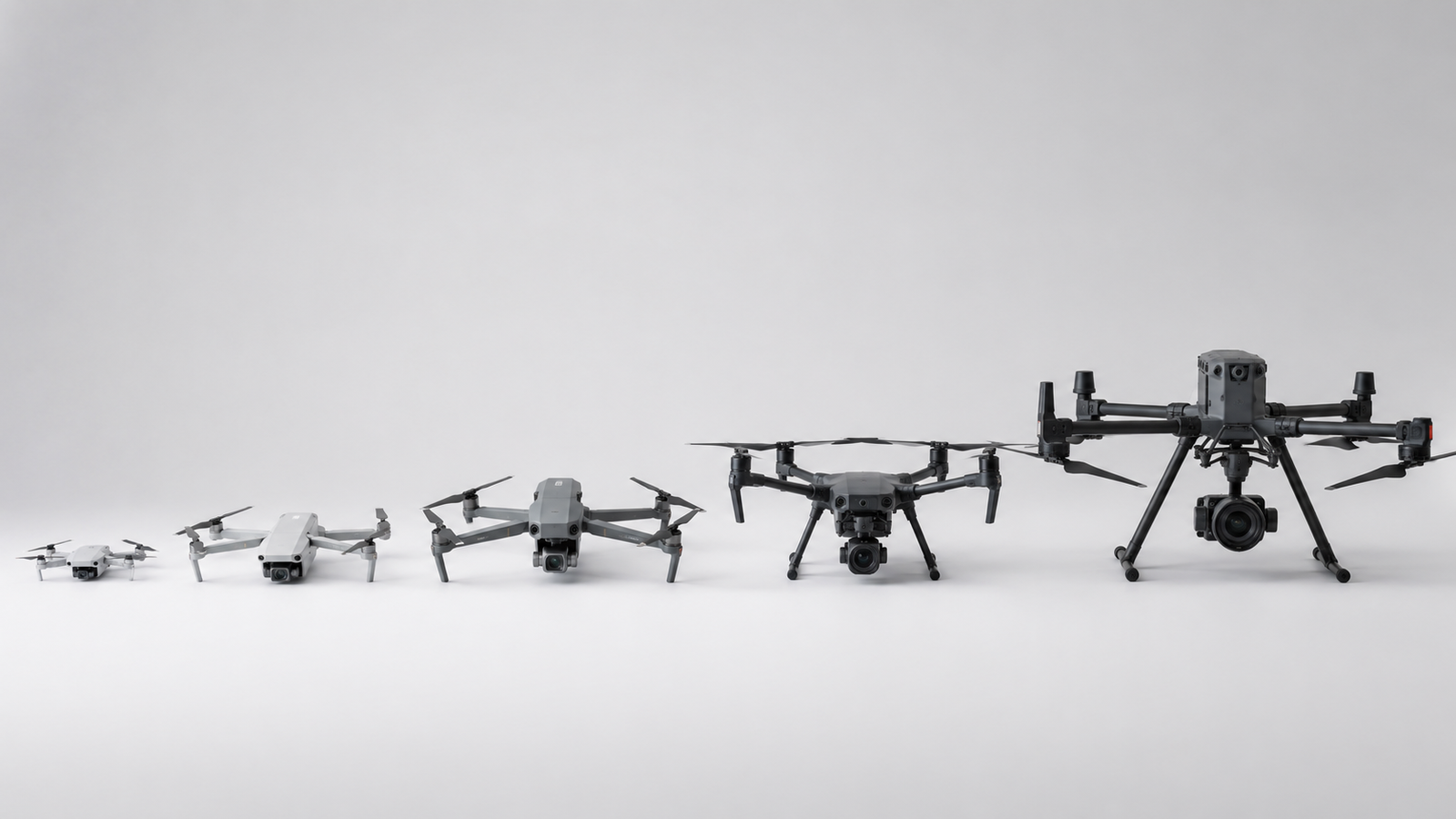
The best drones in 2026 cover almost every need: aerial photography, professional-looking video, travel, FPV, casual flying, learning and content creation. That variety is good news, because there is a very good drone at nearly every budget, but it also makes the decision harder than it used to be.
Which one is right for you depends on your experience, your budget, how you plan to use it, the camera quality you need, portability and flight time. So instead of crowning a single winner, this guide picks the best drone for each type of pilot, then walks through what to check before you buy.
- Best drones compared
- How these drones were chosen
- DJI Mini 4 Pro: the most balanced drone
- DJI Air 3: the best drone for content creators
- DJI Neo: the simplest way to start
- Potensic Atom: the best value drone
- HoverAir X1: the easiest drone for creating content
- DJI Avata 2: the best entry point into FPV
- Which drone should you choose for your use?
- Drone buying guide: what to check before you buy
- Bottom line: which is the best drone?
- Best drones FAQ
- Keep reading
Quick answer: the DJI Mini 4 Pro is the most balanced drone for most people. Content creators should step up to the DJI Air 3, beginners who want simplicity should look at the DJI Neo, the Potensic Atom is the best value, the HoverAir X1 is the easiest hands-free camera drone, and the DJI Avata 2 is the best way into FPV.
Best drones compared
Here is the short version. Each drone is covered in more detail below, with who it suits, key strengths and pros and cons.
| Drone | Best for | Camera | Level | Price |
|---|---|---|---|---|
| DJI Mini 4 Pro | Most people | Excellent | Beginner to advanced | Check price |
| DJI Air 3 | Content creators | Excellent, dual camera | Intermediate | Check price |
| DJI Neo | Simple first drone | Good | Beginner | Check price |
| Potensic Atom | Value for money | Very good | Beginner | Check price |
| HoverAir X1 | Hands-free selfies and automation | Good | Beginner | Check price |
| DJI Avata 2 | FPV flying | Very good | Intermediate | Check price |
How these drones were chosen
The picks below are based on the factors that matter most to anyone buying a drone, using manufacturer specifications and the experience reported by thousands of real pilots.
Image quality
Still one of the most important factors, especially for aerial photography, drone video and content creation. Sensor size, resolution and gimbal stabilization all matter.
Ease of use
Not every buyer has flown before. Models that make learning easier, with assisted takeoff, automatic modes and clear apps, score higher.
Flight safety
Modern drones include GPS, automatic Return to Home, obstacle detection and intelligent flight modes. These features noticeably improve the experience and reduce the risk of losing the aircraft.
Value for money
The most expensive drone is not always the best purchase. Some models deliver outstanding performance at a very balanced price.
User feedback and reputation
We also weighed the real-world experience of thousands of pilots to identify the models that are consistently recommended.
DJI Mini 4 Pro: the most balanced drone
If someone asked which drone to buy today, the Mini 4 Pro would be one of the first recommendations. It combines an excellent camera, a weight under 250 grams, obstacle-sensing sensors and near-professional image quality in a body small enough to carry everywhere. It is arguably the most balanced drone on the market.
DJI has since launched the newer Mini 5 Pro. If you find it at a similar price it is the newer option, but the Mini 4 Pro remains a superb buy. Our DJI Mini 5 Pro vs Mini 4 Pro comparison explains the differences, and the DJI Mini 4 Pro review goes deeper on the camera and flight features.
- Excellent camera
- Under 250 grams
- Obstacle-sensing sensors
- Near-professional image quality
- Highly portable
Ideal for: travel, photography, video, content creators and anyone who wants a single drone for everything.
- Excellent image quality for its size
- Sub-250 g weight keeps it light and portable
- Obstacle sensing helps beginners fly with confidence
- Works for both newcomers and experienced pilots
- Not the cheapest option
- A newer Mini 5 Pro now exists
DJI Air 3: the best drone for content creators
The Air 3 is built for pilots who want a step up in quality. Its dual-camera system, a wide camera plus a medium telephoto, gives far more creative flexibility when framing a shot, and the aircraft adds longer flight time and stronger overall performance.
- Dual-camera system for versatile framing
- Longer flight time than the Mini series
- Stronger performance
- Professional-looking results
Ideal for: professional-looking video, advanced photography, YouTube and social media. Read the DJI Air 3 review for a closer look.
- Wide and telephoto cameras open up more shot types
- Longer flight time
- Great for demanding creators
- Heavier and less pocketable than a Mini
- More than a beginner usually needs
DJI Neo: the simplest way to start
The DJI Neo is designed for people who want simplicity above all. It is tiny, it can launch from your palm, and it records automatic follow shots, so you can capture social-media clips without learning to fly first. It stands out for its ease of use, automation and portability.
- Very easy to use
- Automated shooting modes
- Extremely portable
Ideal for: beginners, social media, travel and casual fun. See the DJI Neo review or the Mini 4 Pro vs Neo comparison if you are deciding between the two.
- Easiest drone here to get flying
- Automatic shots with no piloting skill
- Small and light enough for any bag
- Camera is good rather than class-leading
- Less control than a full DJI Mini
Potensic Atom: the best value drone
When people ask for the best drone for the money, the Potensic Atom keeps appearing among the most recommended options. It offers good flight time, a capable camera, a modest price and a very solid flying experience.
- Good flight time
- Competent camera
- Affordable price
- A solid, GPS-stabilized flying experience
Ideal for: buyers on a limited budget, a first serious drone and recreational photography. Our Potensic Atom review has the details.
- Excellent value for the features
- Good battery life for the price
- Smooth, stable flying
- Not as polished as DJI’s camera and software
- Fewer smart features than premium models
HoverAir X1: the easiest drone for creating content
The HoverAir X1 stands out because it takes a different approach. Most drones require some learning, but this one bets on automation. Its philosophy centers on automatic takeoff, smart tracking, simplified recording and a very intuitive experience.
That makes it an interesting alternative for anyone who wants to record content quickly without worrying about complicated settings.
- Automatic takeoff
- Smart subject tracking
- Simplified recording
- Extremely intuitive to use
Ideal for: content creators, social media, travel, beginners and automatic recordings.
- Almost no learning curve
- Hands-free tracking shots
- Great for solo creators and travelers
- Camera is good rather than top tier
- Less manual control than a conventional drone
DJI Avata 2: the best entry point into FPV
The Avata 2 is one of the most interesting options for anyone who wants to try first-person-view flying. Unlike traditional drones, it delivers a much more immersive experience through FPV goggles and advanced control systems.
- Immersive flight
- Excellent image quality
- Advanced safety systems
- Easier to learn than most other FPV drones
That is why it so often appears among the best FPV drones for people who want to start without excessive complication. Because FPV flying means you cannot see the aircraft directly, US rules require a visual observer next to you, so plan for a spotter. See our DJI Avata 2 review and the guide to the best FPV drones.
Ideal for: FPV, dynamic footage, intermediate pilots and immersive flying experiences.
- Immersive goggle view
- Very good image quality
- Beginner-friendly for an FPV drone
- Needs goggles and a spotter to fly legally
- Not designed for classic aerial photography
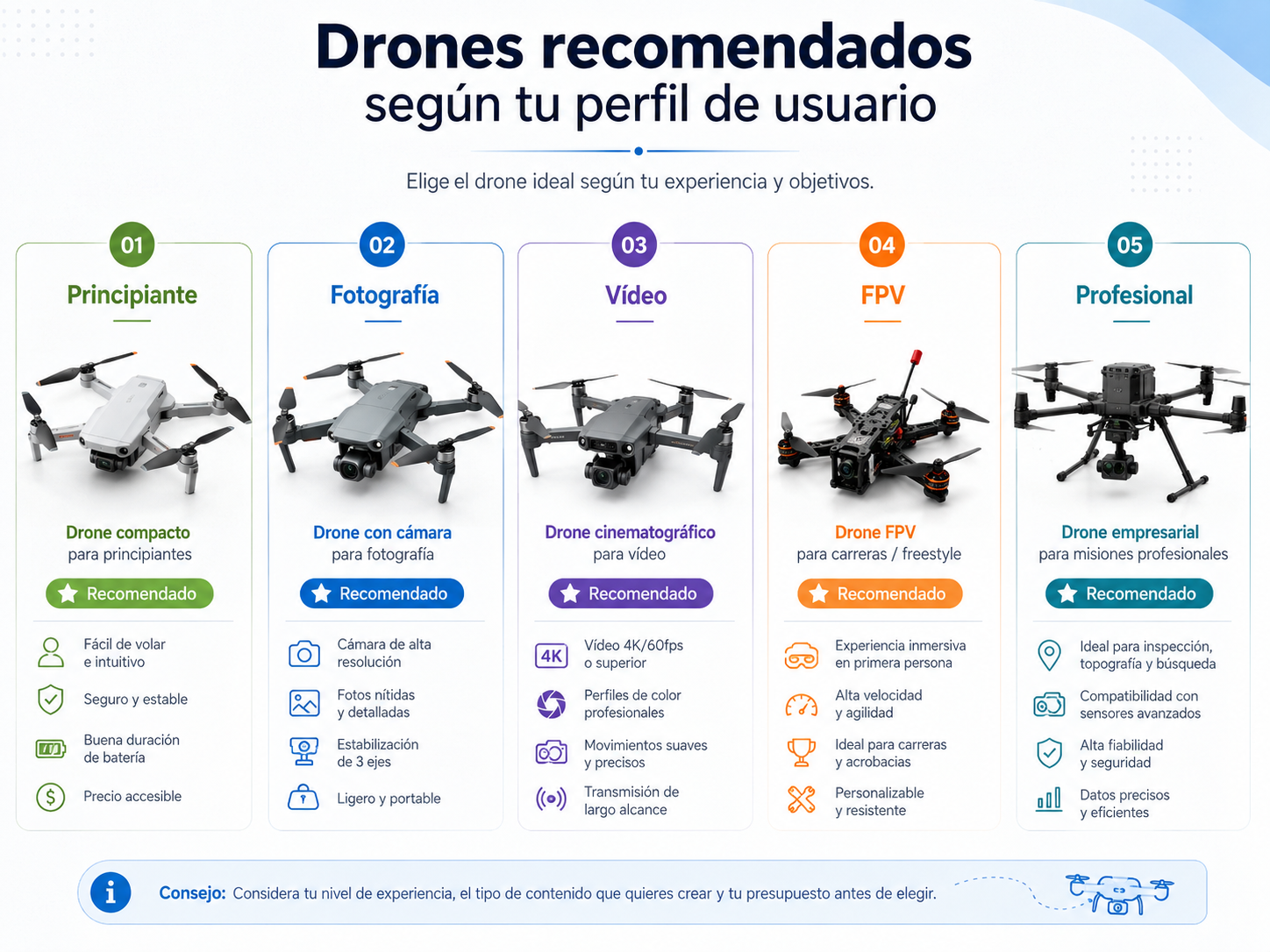
Which drone should you choose for your use?
One of the most common questions is which drone to pick for a specific purpose. The answer depends entirely on your needs.
Best drones for beginners
The best options are usually the DJI Neo, the Potensic Atom and the DJI Mini 4 Pro. These models offer assistance systems that make learning much easier. For more choices, see our guide to the best drones for beginners and the tutorial on how to fly a drone.
Best drones for aerial photography
Camera quality becomes the deciding factor. The most recommended options are the DJI Mini 4 Pro and the DJI Air 3. Browse the best camera drones for more.
Best drones for professional video
Prioritize image quality, color profiles, stability and creative flexibility. The most interesting options are the DJI Air 3 and the DJI Mini 4 Pro. Our guide to the best professional drones covers higher-end aircraft.
Best FPV drone
Here the choice is simpler. For most people the most recommended model is the DJI Avata 2.
Best drone for the money
Few models offer as much for so little as the Potensic Atom, which is why it appears constantly in lists of the best value drones. More ideas are in the list of the best budget drones.
| If you are… | Consider |
|---|---|
| A beginner | DJI Neo, Potensic Atom or DJI Mini 4 Pro |
| Into aerial photography | DJI Mini 4 Pro or DJI Air 3 |
| Shooting professional-looking video | DJI Air 3 or DJI Mini 4 Pro |
| Curious about FPV | DJI Avata 2 |
| On a tight budget | Potensic Atom |
| Filming yourself hands-free | HoverAir X1 |
| Traveling light | DJI Mini 4 Pro or DJI Neo |
Drone buying guide: what to check before you buy
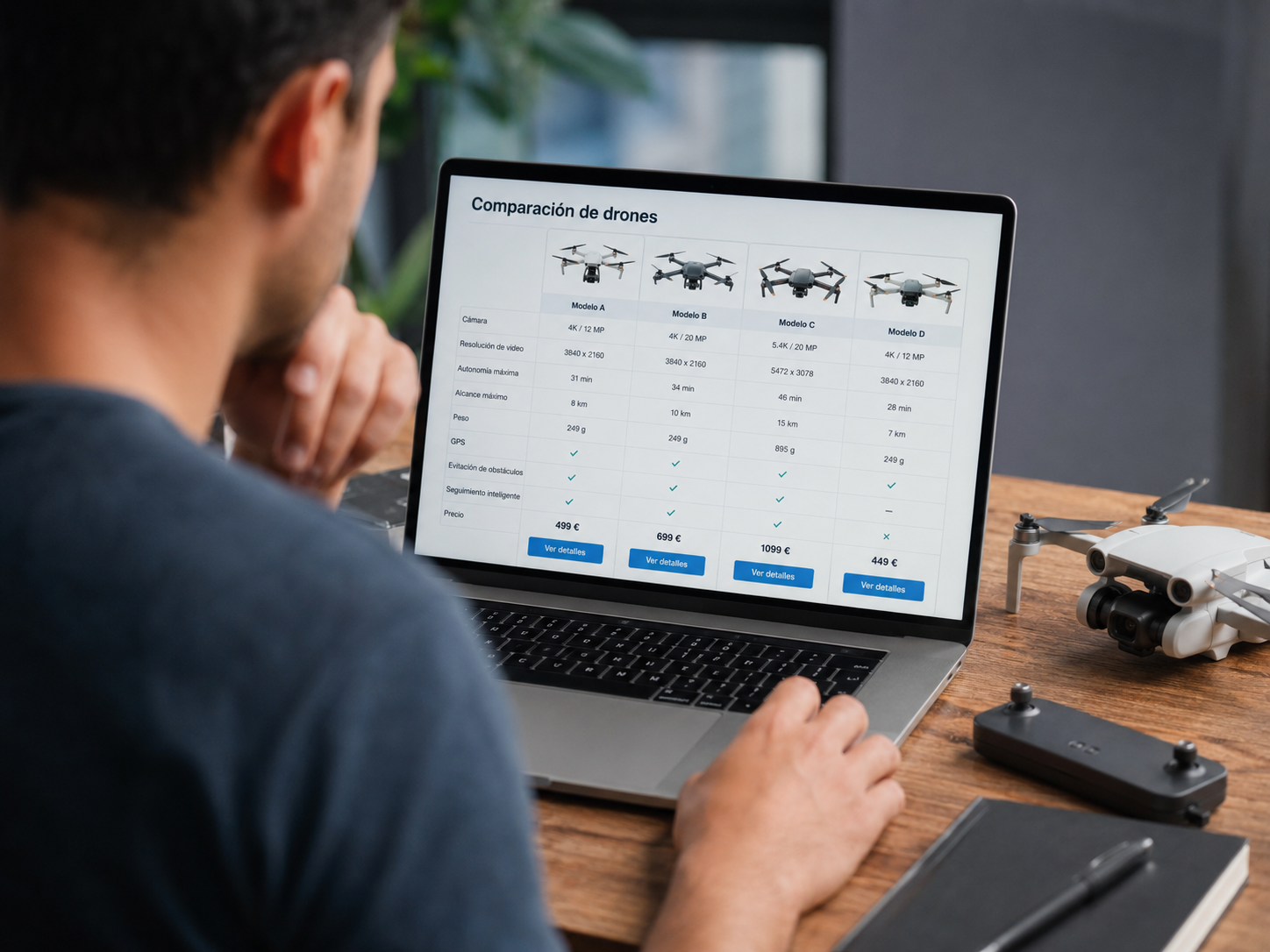
Buying a drone only for its camera is usually a mistake. Several other factors matter just as much.
Camera quality
If your goal is aerial photography or filming, this is one of the main criteria. Look at sensor size, video resolution, color profiles and gimbal stabilization.
Weight
Lighter drones tend to be easier to carry and fly, and weight also affects the rules that apply. In the US, a drone of 250 g or more must be registered with the FAA, while recreational drones under 250 g do not need registration. Every recreational pilot still has to pass the free TRUST test and follow the rules, and pilots flying for work need a Part 107 certificate.
Flight time
The longer the flight time, the more minutes you have to frame shots and practice. Budget for at least one or two spare batteries.
Safety systems
Today it is wise to look for GPS, automatic Return to Home, obstacle detection and intelligent flight modes.
Ecosystem and support
Brands such as DJI offer frequent updates, a huge range of accessories and a large community, which makes long-term ownership easier. DJI availability in the US can vary because of ongoing regulatory restrictions, so check current stock and support before you buy. Our guide to the best drone accessories covers batteries, cases and ND filters.
Before your first flight, check where you can fly with the FAA’s B4UFLY app and carry proof of your TRUST completion. If you are still unsure what to buy, types of drones explains the main categories.
Bottom line: which is the best drone?
Choosing among the best drones is not about finding the most expensive model or the one with the most features. The key is to identify what you really need and pick the equipment that fits it.
For most people, models such as the DJI Mini 4 Pro, the DJI Air 3, the Potensic Atom and the DJI Neo offer an excellent combination of performance, safety and ease of use. Anyone who wants a more advanced experience can find a great gateway to FPV in the DJI Avata 2.
The best drone is not the most popular one. It is the one that best fits the way you fly and what you want to achieve.
Best drones FAQ
For most people, the DJI Mini 4 Pro is probably the most balanced model thanks to its image quality, safety features, portability and ease of use.
The most recommended models are the DJI Neo, the Potensic Atom and the DJI Mini 4 Pro. All offer a very accessible learning experience.
Right now the Potensic Atom stands out for its balance between features and price.
In this selection, the DJI Air 3 and the DJI Mini 4 Pro are two of the most interesting options for photography and video.
The DJI Mini 4 Pro stands out for its compact size, weight under 250 grams and excellent image quality.
For most people who want to start with FPV, the DJI Avata 2 is one of the most recommended options.
It depends on how you plan to use it. Some affordable models give excellent results for beginners, especially if the goal is to learn and gain experience.
If you want high-quality video, the best options are usually the DJI Air 3 and the DJI Mini 4 Pro.
Drones weighing 250 g or more must be registered with the FAA, and all recreational pilots must pass the free TRUST test. Commercial pilots need a Part 107 certificate.
DJI is the best-known brand thanks to its camera quality, software and accessory range. Potensic is a popular value brand, and HoverAir focuses on automatic, hands-free flying.
Keep reading
- Racing Drones: What They Are and How to Get Started
- Best Long Range Drones of 2026: 6 Models and Real Range
- Best Drones for Beginners in 2026: Complete Buying Guide
- Best Professional Drones of 2026: Comparison and Buying Guide
Official sources: FAA: Recreational flyers