

- Impresoras 3D Profesionales
- ¿Qué es una impresora 3D profesional?
- Diferencias entre una impresora 3D profesional y una doméstica
- Cómo elegir una impresora 3D profesional
- Comparativa rápida de las mejores impresoras 3D profesionales de 2026
- Mejores impresoras 3D profesionales de 2026
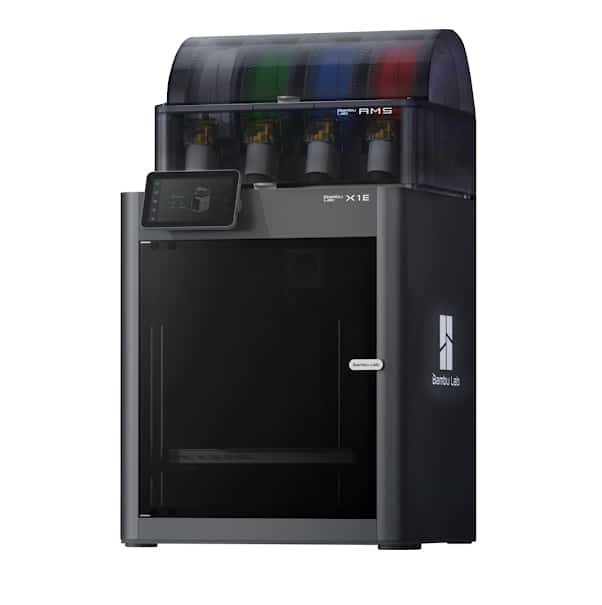
- 1. Bambu Lab X1E – La mejor impresora 3D profesional calidad-precio de 2026
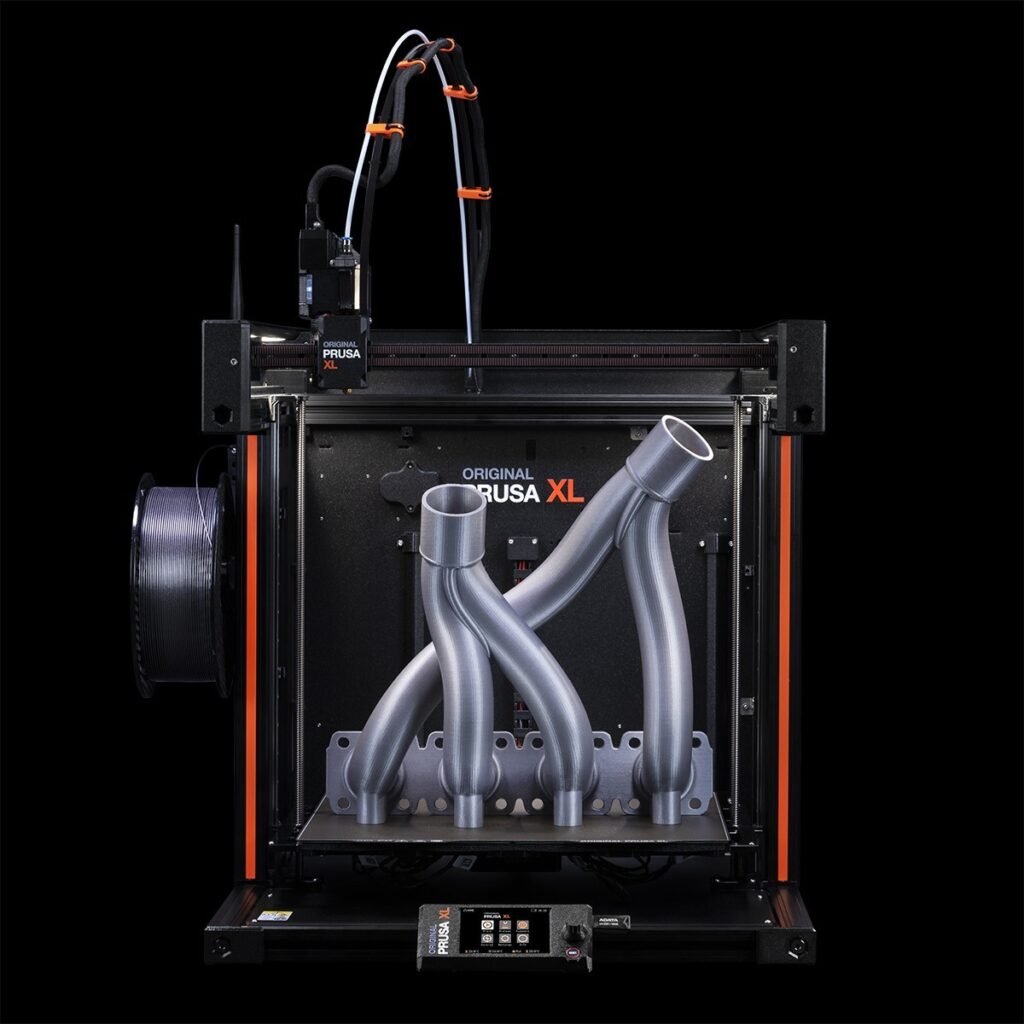
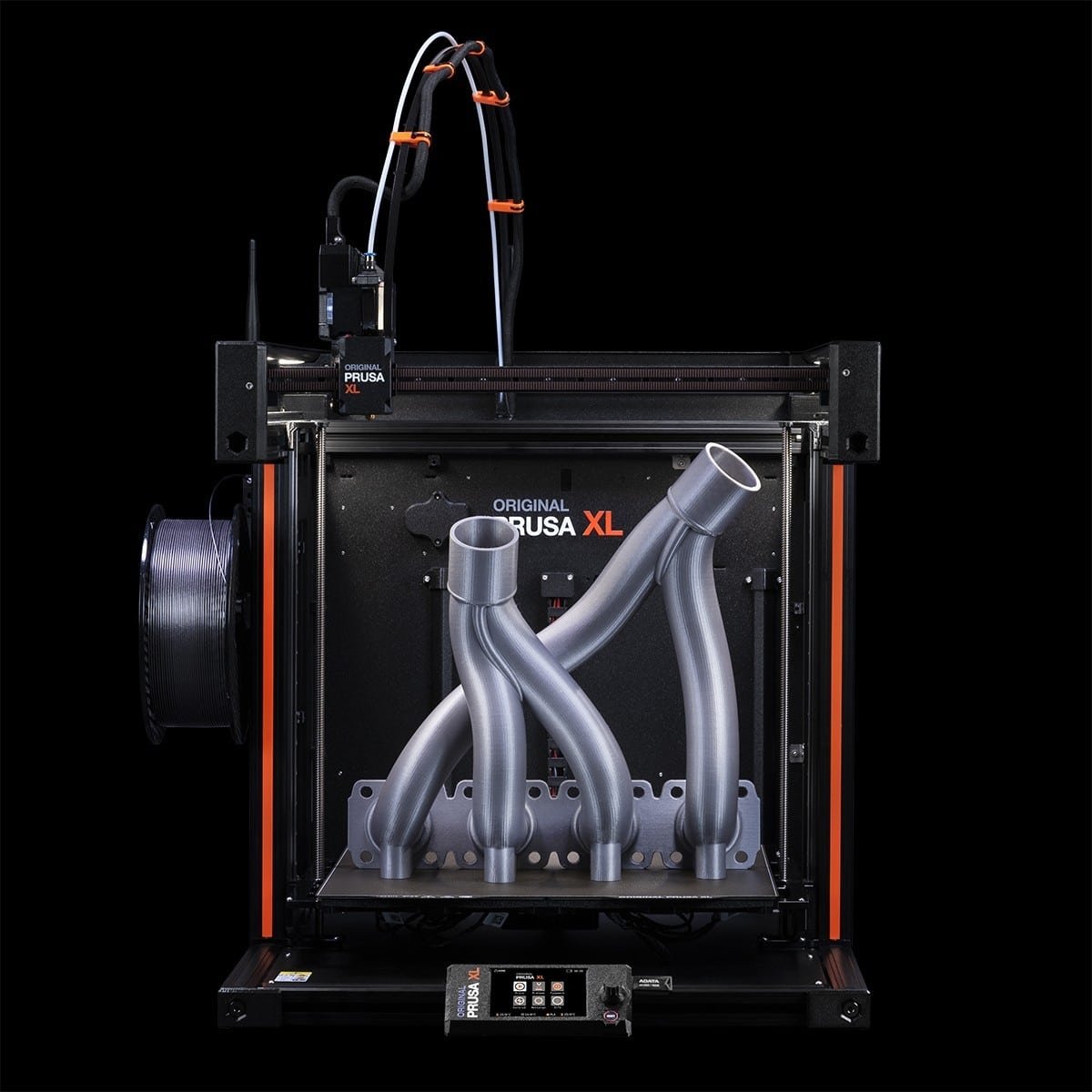
- 2. Prusa XL – La mejor impresora 3D profesional para proyectos complejos y multiherramienta
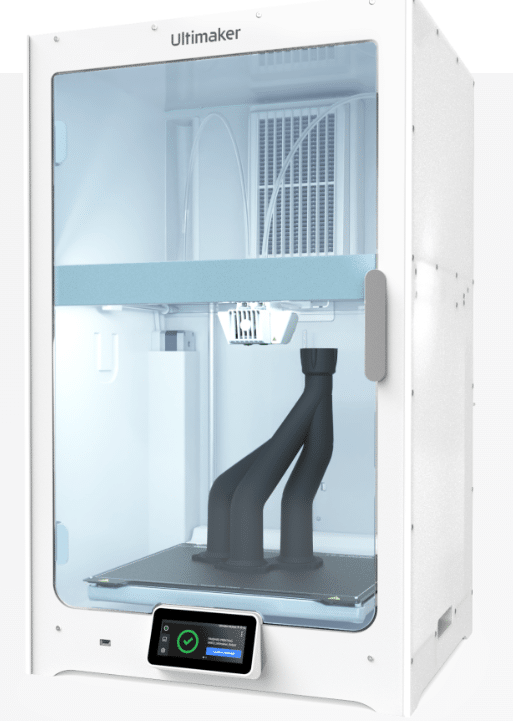
- 3. Ultimaker S7 – La referencia para ingeniería y diseño industrial
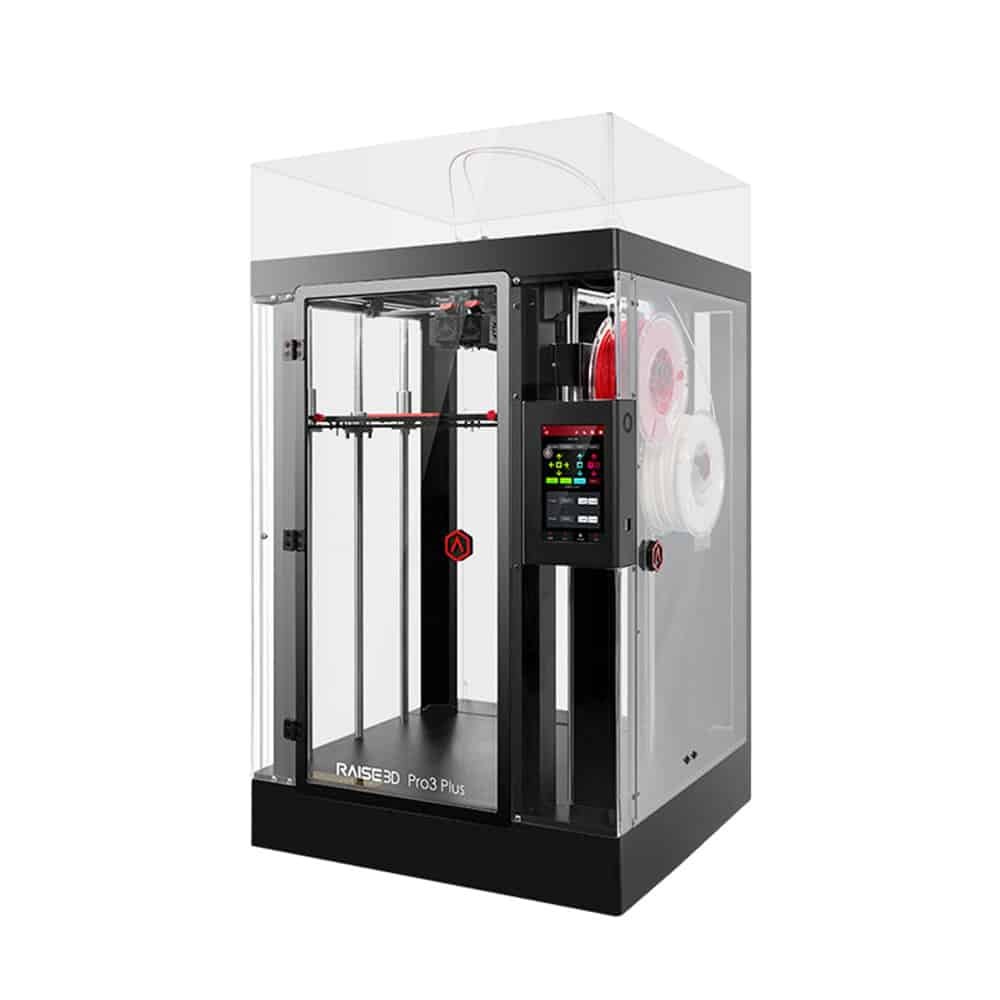
- 4. Raise3D Pro3 Plus – La mejor impresora 3D profesional de gran formato
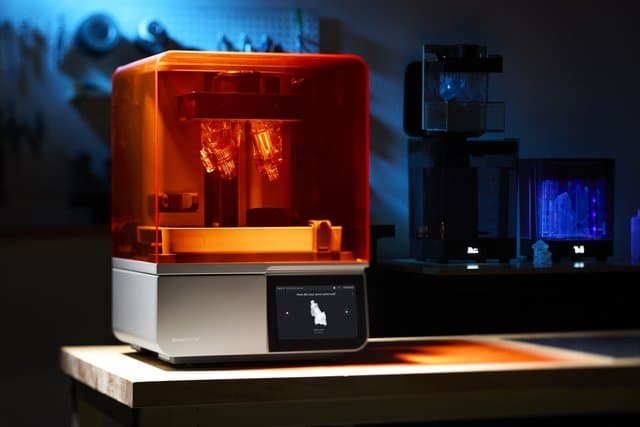
- 5. Formlabs Form 4 – La mejor impresora 3D de resina profesional
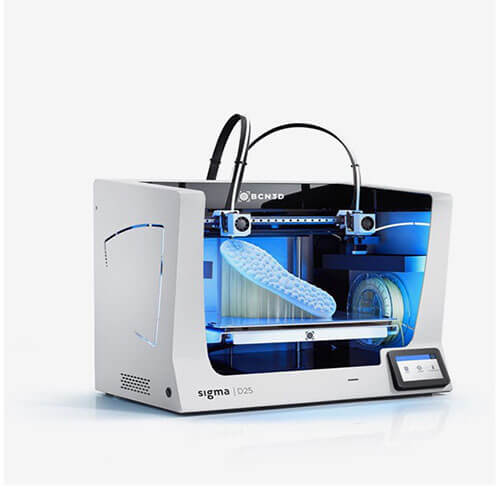
- 6. BCN3D Sigma D25 – Productividad gracias a la doble extrusión independiente
- 7. Titan 300 y Titan 500 – Impresión 3D industrial para producción continua
- ¿Qué impresora 3D profesional comprar según cada necesidad?
- Ventajas de las impresoras 3D profesionales
- ¿Merece la pena comprar una impresora 3D profesional?
- Conclusión: ¿Cuál recomendamos comprar?
- Preguntas frecuentes sobre impresoras 3D profesionales
Impresoras 3D Profesionales
Elegir una impresora 3D profesional en 2026 no va de comprar la más cara, sino la que encaja con tu flujo de trabajo: prototipado rápido, producción continua, piezas técnicas, resina de alta precisión o gran formato. En esta guía comparo los modelos más interesantes según volumen, materiales, fiabilidad, mantenimiento y tipo de usuario.
Resumen rápido
- Mejor calidad/precio profesional: Bambu Lab X1E o alternativa actual equivalente.
- Mejor multiherramienta: Prusa XL.
- Mejor para ingeniería: UltiMaker S7.
- Mejor gran formato: Raise3D Pro3 Plus.
- Mejor resina profesional: Formlabs Form 4.
- Mejor opción española/industrial: Abax Titán 300/500.
- BCN3D Sigma D25, solo si se encuentra disponible o reacondicionada.
La Bambu Lab X1E tiene volumen de 256 × 256 × 256 mm y cámara calefactada hasta 60 ºC, por lo que encaja bien en uso profesional de materiales técnicos. La Prusa XL destaca por volumen 360 × 360 × 360 mm y opción de varios cabezales. La Raise3D Pro3 Plus tiene un volumen de 300 × 300 × 605 mm en extrusor simple y 255 × 300 × 605 mm en doble extrusión.
La impresión 3D ha evolucionado enormemente durante los últimos años. Lo que antes era una tecnología reservada para grandes empresas industriales, hoy permite a ingenieros, diseñadores, fabricantes y negocios de cualquier tamaño crear prototipos, piezas funcionales y productos finales con una calidad sorprendente.
Sin embargo, cuando hablamos de impresoras 3D profesionales, las necesidades cambian radicalmente respecto a una impresora doméstica. Ya no se trata únicamente de imprimir figuras decorativas o pequeños proyectos personales. Una empresa necesita fiabilidad, precisión, repetibilidad, compatibilidad con materiales técnicos y capacidad para trabajar durante largas jornadas sin interrupciones.
Por ese motivo, elegir una impresora 3D profesional no es una decisión sencilla. Existen modelos enfocados al prototipado rápido, otros especializados en ingeniería, algunos diseñados para producción en serie y otros que destacan por su gran volumen de impresión.
En esta guía encontrarás una comparativa actualizada de las mejores impresoras 3D profesionales de 2026, analizando sus ventajas, inconvenientes y el tipo de usuario para el que realmente están diseñadas.
Además, si todavía estás empezando en este sector, te recomendamos consultar primero nuestra guía completa sobre impresión 3D y nuestra selección de impresoras 3D para principiantes antes de dar el salto a equipos profesionales.
¿Qué es una impresora 3D profesional?
Una impresora 3D profesional es un equipo diseñado para trabajar con altos niveles de precisión, estabilidad y productividad. A diferencia de las impresoras domésticas, están preparadas para soportar largas sesiones de impresión, utilizar materiales avanzados y ofrecer resultados repetibles incluso en proyectos complejos.
Las empresas suelen utilizar este tipo de máquinas para:
- Desarrollo de prototipos funcionales.
- Fabricación de piezas industriales.
- Producción de pequeñas series.
- Ingeniería y diseño mecánico.
- Arquitectura.
- Medicina y odontología.
- Educación técnica.
- Automoción y aeronáutica.
La principal diferencia respecto a una impresora doméstica es que el coste inicial es mayor, pero también lo son la productividad, la precisión y la fiabilidad.
Diferencias entre una impresora 3D profesional y una doméstica
Antes de invertir varios miles de euros en una máquina profesional conviene entender qué aporta realmente frente a una impresora convencional.
| Modelo | Mejor para | Tecnología | Volumen | Punto fuerte | Punto débil |
|---|---|---|---|---|---|
| Bambu Lab X1E | Empresa pequeña / ingeniería ligera | FDM | 256³ mm | Cámara calefactada y ecosistema | Volumen medio |
| Prusa XL | Multimaterial / piezas grandes | FDM | 360³ mm | Toolchanger | Precio alto |
| UltiMaker S7 | Ingeniería y oficina técnica | FDM | 330 × 240 × 300 mm | Fiabilidad y ecosistema Cura | Coste elevado |
| Raise3D Pro3 Plus | Gran formato | FDM | 300 × 300 × 605 mm | Altura de impresión | Tamaño/precio |
| Formlabs Form 4 | Resina profesional | LFD/resina | 200 × 125 × 210 mm | Precisión y ecosistema | Consumibles |
| Abax Titán 300/500 | Industria española | FDM | 310 × 310 × 300/500 mm | Robustez | Menos popular globalmente |
Si tu objetivo es fabricar piezas para clientes, producir prototipos de ingeniería o generar ingresos con impresión 3D, una impresora profesional suele amortizarse mucho antes de lo que imagina la mayoría de usuarios.
Cómo elegir una impresora 3D profesional
No existe una única impresora perfecta para todos los casos. La mejor elección dependerá de tus necesidades reales.
Volumen de impresión
El volumen determina el tamaño máximo de las piezas que podrás fabricar.
Si trabajas con prototipos pequeños, miniaturas o componentes técnicos, no necesitarás grandes dimensiones.
Por el contrario, sectores como arquitectura, automoción o fabricación industrial suelen beneficiarse enormemente de impresoras de gran formato.
Materiales compatibles
Muchos profesionales cometen el error de fijarse únicamente en el tamaño de impresión.
Sin embargo, la compatibilidad con materiales suele ser mucho más importante.
Las impresoras profesionales actuales permiten trabajar con:
- PLA.
- PETG.
- ABS.
- ASA.
- TPU.
- Nylon.
- Fibra de carbono.
- Composites técnicos.
Cuantos más materiales pueda procesar una máquina, mayor versatilidad tendrá para adaptarse a diferentes proyectos.
Precisión y calidad de impresión
La resolución determina el nivel de detalle que podrá alcanzar la impresora.
En sectores como joyería, odontología o prototipado técnico, una diferencia de pocas micras puede ser determinante.
Si buscas acabados extremadamente precisos, también te recomendamos consultar nuestra guía especializada sobre impresoras 3D de resina.
Velocidad de impresión
La velocidad afecta directamente a la productividad.
Actualmente algunos fabricantes han revolucionado el mercado gracias a sistemas CoreXY y electrónica avanzada capaces de imprimir varias veces más rápido que las impresoras tradicionales sin sacrificar calidad.
Fiabilidad y mantenimiento
En un entorno profesional el tiempo es dinero.
Una impresora que falla constantemente, requiere calibraciones continuas o genera impresiones defectuosas termina costando mucho más de lo que parece.
Por este motivo, la fiabilidad y el soporte técnico deben tener un peso muy importante en la decisión de compra.
Comparativa rápida de las mejores impresoras 3D profesionales de 2026
| Modelo | Tecnología | Volumen de impresión | Ideal para |
| Bambu Lab X1E | FDM | Medio | Empresas y prototipado rápido |
| Prusa XL | FDM | Grande | Producción y materiales múltiples |
| Ultimaker S7 | FDM | Profesional | Ingeniería y diseño industrial |
| Raise3D Pro3 Plus | FDM | Gran formato | Fabricación industrial |
| Formlabs Form 4 | Resina | Alta precisión | Joyería, dental e ingeniería |
| BCN3D Sigma D25 | IDEX | Producción profesional | Series cortas |
| Titan 300 / 500 | FDM | Gran formato | Industria y fabricación avanzada |
Mejores impresoras 3D profesionales de 2026
Después de analizar las principales opciones disponibles actualmente, estas son las impresoras 3D profesionales que consideramos más interesantes para empresas, ingenieros, diseñadores y profesionales que buscan productividad, precisión y fiabilidad.
1. Bambu Lab X1E – La mejor impresora 3D profesional calidad-precio de 2026
Si tuviera que recomendar una única impresora 3D profesional para la mayoría de empresas, estudios de ingeniería o profesionales del prototipado, probablemente sería la Bambu Lab X1E
La razón es sencilla: pocas máquinas han conseguido revolucionar el mercado de la impresión 3D profesional como lo ha hecho Bambu Lab durante los últimos años. La X1E hereda toda la velocidad, precisión y facilidad de uso de la popular X1 Carbon, pero incorpora características específicamente orientadas al entorno empresarial.
Uno de los aspectos más interesantes de esta impresora es que reduce enormemente el tiempo de configuración. Mientras que otras máquinas profesionales requieren ajustes constantes, nivelaciones frecuentes y una curva de aprendizaje considerable, la X1E está diseñada para que el usuario pueda centrarse en producir piezas y no en configurar la impresora.
Gracias a su estructura CoreXY de alta velocidad es capaz de fabricar piezas en una fracción del tiempo que necesitarían muchas impresoras tradicionales. Esto supone una ventaja competitiva enorme para empresas que realizan prototipos continuos o pequeñas series de fabricación.
Su cámara cerrada permite trabajar con materiales técnicos más exigentes que el PLA convencional, incluyendo PETG, ASA o filamentos reforzados con fibra de carbono. Además, incorpora monitorización remota, detección inteligente de errores y un ecosistema muy completo que facilita la gestión de proyectos profesionales.
Características técnicas de Bambu Lab X1E
- Volumen de impresión: 256 × 256 × 256 mm
- Velocidad máxima de impresión: hasta 500 mm/s
- Tecnología: FDM CoreXY
- Nº de extrusores: 1
- Materiales compatibles: PLA, PETG, ABS, ASA, TPU, PA-CF y otros materiales técnicos
- Cámara cerrada: Sí
- Nivelación automática: Sí
- Pantalla: táctil a color
- Temperatura máxima del hotend: 320 ºC
- Temperatura máxima de cama caliente: 110 ºC
- Conectividad: WiFi, Ethernet y nube
- Monitorización remota: Sí
- Excelente relación calidad-precio
- Muy rápida
- Calidad de impresión sobresaliente
- Ideal para empresas
- Ecosistema muy completo
- Volumen de impresión inferior al de algunos equipos industriales
- Menor modularidad que otras alternativas profesionales
Video reseña y comparativa de Bambu Lab X1E
2. Prusa XL – La mejor impresora 3D profesional para proyectos complejos y multiherramienta
La Prusa XL representa uno de los proyectos más ambiciosos desarrollados por Prusa Research. Mientras que muchas impresoras profesionales se centran únicamente en aumentar la velocidad o el volumen de impresión, la Prusa XL apuesta por la versatilidad y la producción avanzada mediante su sistema multiherramienta.
Uno de los mayores problemas en la impresión 3D profesional es la necesidad de utilizar distintos materiales en una misma pieza. En aplicaciones industriales es habitual combinar materiales estructurales con soportes solubles o incluso imprimir piezas multicolor destinadas a presentaciones comerciales y prototipos funcionales.
La Prusa XL resuelve este problema mediante un sistema de herramientas intercambiables que permite trabajar con varios cabezales de impresión independientes.
Su enorme volumen de impresión también la convierte en una alternativa muy interesante para sectores como arquitectura, diseño industrial, ingeniería mecánica y fabricación de prototipos funcionales de gran tamaño.
Además, Prusa mantiene una de las comunidades más activas del sector, ofreciendo actualizaciones constantes, soporte técnico y una enorme cantidad de documentación para usuarios profesionales.
Características técnicas de Prusa XL
- Volumen de impresión: 360 × 360 × 360 mm
- Tecnología: FDM
- Sistema multiherramienta: hasta 5 cabezales
- Nivelación automática: Sí
- Materiales compatibles: PLA, PETG, ABS, ASA, TPU, Nylon y materiales técnicos
- Pantalla: táctil a color
- Conectividad: Ethernet, USB y red local
- Cámara cerrada: opcional según configuración
- Detección de filamento: Sí
- Recuperación tras fallo eléctrico: Sí
- Sistema multiherramienta único
- Gran volumen de impresión
- Comunidad enorme
- Excelente soporte
- Muy versátil para aplicaciones profesionales
- Configuraciones avanzadas bastante costosas
- Curva de aprendizaje superior a otros modelos
Video reseña y comparativa de la Prusa XL
3. Ultimaker S7 – La referencia para ingeniería y diseño industrial
Cuando una empresa necesita una impresora fiable para trabajar todos los días durante años, Ultimaker sigue siendo una de las marcas más respetadas del sector profesional.
La Ultimaker S7 está claramente orientada a empresas que necesitan estabilidad, precisión y una integración completa dentro de sus procesos de producción y desarrollo.
Uno de los aspectos más valorados de esta impresora es su ecosistema profesional. El software Cura, desarrollado por la propia compañía, se ha convertido en uno de los programas de laminado más utilizados del mundo. Esto facilita enormemente la preparación de archivos y la optimización de las impresiones.
La S7 destaca especialmente en la fabricación de prototipos funcionales, piezas técnicas y componentes de ingeniería donde la repetibilidad es fundamental.
Gracias a su doble extrusión permite utilizar materiales de soporte avanzados, lo que facilita la creación de geometrías complejas imposibles de fabricar mediante otros métodos tradicionales.
Su sistema cerrado también ayuda a mantener temperaturas estables durante la impresión, algo fundamental cuando se trabaja con materiales técnicos como Nylon, ABS o compuestos reforzados.
Características técnicas de Ultimaker S7
- Volumen de impresión: 330 × 240 × 300 mm
- Tecnología: FDM
- Nº de extrusores: 2
- Nivelación automática: Sí
- Materiales compatibles: PLA, PETG, ABS, Nylon, TPU, fibra de carbono y otros materiales técnicos
- Pantalla: táctil de gran formato
- Temperatura máxima del hotend: 340 ºC
- Temperatura máxima de cama caliente: 140 ºC
- Cámara cerrada: Sí
- Conectividad: WiFi, Ethernet, USB y nube
- Gestión remota: Sí
- Extremadamente fiable
- Excelente soporte empresarial
- Compatible con numerosos materiales
- Ecosistema profesional muy consolidado
- Ideal para ingeniería
- Precio elevado
- Menor velocidad que algunos competidores más modernos
Video reseña y comparativa Ultimaker S7
4. Raise3D Pro3 Plus – La mejor impresora 3D profesional de gran formato
Si tu empresa fabrica prototipos de gran tamaño, piezas funcionales o componentes industriales, la Raise3D Pro3 Plus es una de las opciones más completas del mercado profesional.
Uno de los principales problemas de muchas impresoras 3D es que obligan a dividir piezas grandes en varias partes para después ensamblarlas. Esto aumenta los tiempos de producción, introduce posibles errores dimensionales y reduce la resistencia estructural de las piezas finales.
La Raise3D Pro3 Plus resuelve este problema gracias a su enorme volumen de impresión, permitiendo fabricar componentes de gran tamaño en una sola operación.
Su estructura cerrada garantiza una temperatura estable durante toda la impresión, algo fundamental cuando se utilizan materiales técnicos como ABS, ASA, Nylon o compuestos reforzados con fibra de carbono.
Además, incorpora doble extrusión profesional, monitorización remota y múltiples sistemas de seguridad destinados a minimizar errores durante trabajos de larga duración.
Características técnicas de Raise3D Pro3 Plus
- Volumen de impresión: 300 × 300 × 605 mm
- Tecnología: FDM
- Nº de extrusores: 2
- Materiales compatibles: PLA, PETG, ABS, ASA, TPU, Nylon, fibra de carbono y compuestos técnicos
- Pantalla: táctil de 7 pulgadas
- Temperatura máxima del hotend: 300 ºC
- Temperatura máxima de cama caliente: 120 ºC
- Cámara cerrada: Sí
- Nivelación automática: Sí
- Conectividad: WiFi, Ethernet, USB
- Gestión remota: Sí
- Gran volumen de impresión
- Excelente calidad dimensional
- Doble extrusión profesional
- Compatible con materiales técnicos
- Ideal para fabricación industrial
- Requiere bastante espacio
- Inversión elevada
Video reseña y comparativa Raise3D Pro3 Plus
5. Formlabs Form 4 – La mejor impresora 3D de resina profesional
Mientras que las impresoras FDM dominan gran parte del mercado profesional, existen sectores donde la precisión es mucho más importante que el volumen de impresión.
Aquí es donde entra en juego la Formlabs Form 4.
Esta impresora utiliza tecnología de resina fotopolimerizable para obtener acabados extremadamente detallados, capaces de reproducir geometrías imposibles para muchas impresoras de filamento.
Es especialmente popular en sectores como odontología, medicina, joyería, ingeniería de precisión y diseño de producto.
La calidad superficial obtenida suele requerir muy poco trabajo de postprocesado, lo que permite ahorrar una enorme cantidad de tiempo en determinadas aplicaciones.
Además, Formlabs ha desarrollado uno de los ecosistemas profesionales más completos del mercado, incluyendo software, estaciones de lavado y equipos de curado diseñados específicamente para optimizar el flujo de trabajo.
Características técnicas de Formlabs Form 4
- Tecnología: SLA / Resina profesional
- Volumen de impresión: 200 × 125 × 210 mm
- Resolución XY: extremadamente alta
- Altura mínima de capa: hasta 25 micras
- Materiales compatibles: amplio catálogo de resinas técnicas
- Pantalla: táctil
- Conectividad: WiFi, Ethernet y USB
- Gestión remota: Sí
- Sistema de resina inteligente: Sí
- Acabados profesionales
- Calidad de detalle excepcional
- Ideal para odontología y joyería
- Ecosistema profesional muy completo
- Flujo de trabajo optimizado/li>
- Requiere lavado y curado posterior
- Coste de materiales superior
Video reseña y comparativa Formlabs Form 4
6. BCN3D Sigma D25 – Productividad gracias a la doble extrusión independiente
La BCN3D Sigma D25 es una de las impresoras profesionales europeas más interesantes para empresas que buscan productividad y flexibilidad.
Su principal característica es el sistema IDEX (Independent Dual Extruder), opción IDEX interesante si la encuentras reacondicionada, que utiliza dos extrusores completamente independientes.
BCN3D ha discontinuado la Sigma D25, por lo que en 2026 solo la recomendaría si aparece a buen precio, con garantía o soporte disponible.
Esto permite imprimir con dos materiales diferentes, crear piezas duplicadas simultáneamente o fabricar versiones simétricas de una misma pieza sin necesidad de repetir procesos.
Para muchas empresas esta característica supone una mejora importante de productividad.
Además, la Sigma D25 incorpora componentes de alta calidad procedentes de fabricantes reconocidos del sector, lo que contribuye a mejorar la estabilidad y precisión de impresión.
La Sigma D25 es por excelencia la madre de todas las impresoras 3D, con un buen diseño profesional, alto grado de rendimiento de detalle inigualable, rápida y productiva la convierten si no en la mejor, en una de las mejores impresoras 3D profesionales o industriales del 2026.
Viene con un Sistema IDEX de doble extrusor integrado de gran calidad que te permitirá de manera simultánea crear piezas al mismo tiempo, de diferentes colores y materiales, y de manera idéntica sin fallo alguno. Lo que te permita el volumen de impresión claro. De esta forma trabajaras lo mismo multiplicado por dos, o lo que es lo mismo, podrás trabajar de forma más productiva en tus creaciones.
La empresa catalana BCN3D cuenta con impresoras de la máxima calidad, y la Sigma D25 es considerada por sus dimensiones de impresión de gran formato, pero si necesitas impresiones más grandes, en BCN3D tendrás impresoras como Epsilon W500 que es más grande y te permitirá impresiones enormes.
Gracias al software de corte Cura, podrás sacarle el máximo rendimiento a tu impresora, podrás controlar el rendimiento de los extrusores a la hora de desperdiciar materiales o redistribuirlos mejor. Los extrusores de la marca Bontech te permitirán mayor control y estabilidad en tus impresiones.
Sin olvidar del Hotend reconocido por ser de la marca E3D, te permitirá impresiones de hasta 300ª C lo que significa mayor variedad de materiales que podrás usar. En las características técnicas te dejamos la variedad de materiales. Otro dato por si quieres tener en cuenta, es que puedes comprar por separado una cubierta protectora para mantener la temperatura estable del interior lo cual te permitirá imprimir también con ABS en caso de que estés interesado.
Si lo que estás buscando es mejorar tu rendimiento y productividad de creación de piezas a gran escala o en cadena con una gran calidad de detalle y resolución, sin duda la Sigma D25 de BCN3D es la que estás buscando.
Características técnicas de BCN3D Sigma D25
- Volumen de impresión: 420 × 300 × 200 mm
- Tecnología: FDM IDEX
- Nº de extrusores: 2 independientes
- Materiales compatibles: PLA, PETG, ABS, Nylon, TPU, PVA y compuestos técnicos
- Pantalla: táctil de 5 pulgadas
- Temperatura máxima del hotend: 300 ºC
- Temperatura máxima de cama caliente: 80 ºC
- Conectividad: WiFi y SD
- Software compatible: Cura y BCN3D Cloud
- Sistema IDEX profesional
- Producción más eficiente
- Gran versatilidad
- Compatible con materiales técnicos
- Cara
- Ruidosa
- Cubierta no incluida
Video reseña y comparativa de la Sigma D25 de BCN3D
7. Titan 300 y Titan 500 – Impresión 3D industrial para producción continua
Las Titan 300 y Titan 500 representan una filosofía distinta dentro del mercado profesional.
Mientras que muchas impresoras están orientadas al prototipado, las Titan buscan productividad, robustez y fabricación continua.
Son máquinas pensadas para empresas que necesitan fabricar piezas funcionales de forma constante, manteniendo una alta calidad dimensional y minimizando tiempos muertos.
Uno de los aspectos más interesantes de estas impresoras es su enfoque industrial. Incorporan sistemas de recuperación ante cortes eléctricos, detección de agotamiento de filamento y una estructura extremadamente robusta diseñada para soportar jornadas de trabajo intensivas.
También destacan por su capacidad para trabajar con materiales técnicos utilizados habitualmente en entornos industriales.


Sin duda y con diferencia hemos dejado lo mejor de lo mejor para al final, la Titan 300 y Titan 500 de empresa madrileña Abax. No tenía ni idea de la labor tecnológica que están haciendo las empresas españolas en la creación de impresoras 3D de tal calibre. Son de lo mejor que hay a nivel industrial en el mundo de la impresión 3D.
Gran calidad de diseño tanto por la estructura profesional de la propia impresora como del acabado de las piezas, rendimiento y gran formato. La empresa Abax ofrece estás impresoras cerradas, libre de ventilaciones del ambiente y vibraciones, lo que le permite un mejor funcionamiento de trabajo y temperatura.
Gracias a su gran formato, podrás imprimir piezas enormes de gran calidad. Cuenta con un sistema de auto nivelación y precisión bastante profesionales, pero lo mejor de todo es el sistema de recuperación de impresión en caso de cortes de luz.
La cama caliente pasa a los 100º C en minuto y medio facilitando la adherencia y retirada de piezas al terminar de imprimir con soltura y rapidez.
El sistema inteligente SAI ofrece la particularidad de pausar la impresión en caso de apagones de luz y poder seguir imprimiendo donde se quedó. Así como un sistema de reanudación y detector de filamentos para poder continuar con la impresión.
Si todavía tienes dudas puedes ver su sitio web de Abax y comprobar una de las cosas que más nos llama la atención de esta empresa, y es su servicio técnico, con una buena atención al cliente y de calidad, que siempre intenta resolver todas las dudas que se te presenten.
La Titan 300 tanto como la Titan 500 es ideal para empresas que se dediquen a la impresión 3D a un nivel profesional e industrial de alto grado, ya que estas máquinas ofrecen una productividad y precisión de piezas inigualables, así como una calidad de impresión inmejorable.
Características Técnicas de Titan 300 y 500
- Volumen de impresión Titan 300 : 310 x 310 x 300 mm
- Volumen de impresión Titan 500 : 310 x 310 x 500 mm
- Alta resolución de impresión hasta 50 µm
- Materiales compatibles: PLA, ASA, PETG, PA+CF, HIPS y más
- Formato de archivo de impresión: .gcode
- Pantalla: LCD
- Peso de la impresora: 30-35 kg
- Temperatura máx. del Hotend: 265 ºC.
- Cama Caliente: a 100º en 90 segundos
- Precisión de impresión: hasta 50 µm
- Impresión por: Wifi, SD y Wifi-AP opcional


- Excelente calidad de impresión
- Alto grado de confianza por parte del soporte técnico
- Buen rendimiento
- Fijación de la cama por imanes
- Cara
Video reseña y comparativa de Titan 300 y Titan 500
¿Qué impresora 3D profesional comprar según cada necesidad?
Una de las preguntas más frecuentes entre profesionales y empresas es si realmente existe una única impresora 3D capaz de cubrir todas las necesidades.
La respuesta es sencilla: no.
Cada empresa tiene unos objetivos distintos. No es lo mismo fabricar prototipos de ingeniería que producir piezas funcionales, trabajar en odontología o imprimir componentes de gran tamaño para arquitectura.
Por ello, estas son nuestras recomendaciones según cada caso de uso.
Mejor impresora 3D profesional calidad-precio
🥇 Bambu Lab X1E
Actualmente es probablemente la opción con mejor equilibrio entre prestaciones, facilidad de uso y coste de inversión.
Permite trabajar con materiales técnicos, ofrece velocidades muy superiores a la media y requiere menos mantenimiento que muchas alternativas profesionales.
Ideal para:
- Estudios de ingeniería.
- Diseñadores industriales.
- Fabricación de prototipos.
- Empresas que empiezan con impresión 3D profesional.
Mejor impresora 3D para ingeniería o empresa
🥇 Ultimaker S7
La Ultimaker S7 destaca por su fiabilidad, precisión y compatibilidad con una amplia variedad de materiales técnicos.
Su integración con entornos empresariales y la estabilidad de su ecosistema la convierten en una apuesta segura para departamentos de ingeniería.
Ideal para:
- Ingeniería mecánica.
- Diseño industrial.
- Desarrollo de producto.
- Fabricación de prototipos funcionales.
Mejor impresora 3D profesional para producción
🥇 Raise3D Pro3 Plus
Si el objetivo es producir piezas de gran tamaño o pequeñas series de fabricación, la Raise3D Pro3 Plus es una de las opciones más completas del mercado.
Su enorme volumen de impresión y la doble extrusión permiten maximizar la productividad.
Ideal para:
- Producción industrial.
- Automoción.
- Arquitectura.
- Fabricación de piezas funcionales.
Mejor impresora 3D profesional de resina
🥇 Formlabs Form 4
Cuando el detalle es más importante que el tamaño, la Formlabs Form 4 es una referencia absoluta.
Ofrece niveles de precisión extraordinarios para sectores donde unas pocas micras pueden marcar la diferencia.
Ideal para:
- Odontología.
- Joyería.
- Medicina.
- Ingeniería de precisión.
Si estás buscando exclusivamente este tipo de tecnología, te recomendamos consultar también nuestra guía sobre impresoras 3D de resina.
Mejor impresora 3D profesional para materiales múltiples
🥇 Prusa XL
Su sistema multiherramienta la convierte en una de las impresoras más versátiles del mercado.
Permite utilizar distintos materiales y colores dentro de una misma pieza, ampliando enormemente las posibilidades de fabricación.
Ideal para:
- Centros tecnológicos.
- Universidades.
- Diseño de producto.
- Prototipado avanzado.
Mejor impresora 3D industrial de gran formato
🥇 Titan 500
Cuando se necesitan piezas grandes y producción continua, la Titan 500 ofrece una combinación excelente entre robustez y capacidad de fabricación.
Ideal para:
- Industria.
- Fabricación avanzada.
- Proyectos de gran formato.
- Producción intensiva.
Ventajas de las impresoras 3D profesionales
La inversión inicial en una impresora profesional es significativamente mayor que en una máquina doméstica, pero también lo son las ventajas que ofrece.
Mayor precisión
Los componentes de alta calidad permiten obtener piezas mucho más consistentes y repetibles.
Esto resulta fundamental cuando se fabrican prototipos funcionales o piezas destinadas a clientes.
Mayor velocidad de producción
Las nuevas generaciones de impresoras profesionales han reducido enormemente los tiempos de fabricación.
Algunos equipos modernos pueden completar trabajos complejos en una fracción del tiempo necesario hace apenas unos años.
Compatibilidad con materiales técnicos
Las impresoras profesionales pueden trabajar con materiales que una máquina doméstica difícilmente soportaría.
Entre ellos:
- Nylon.
- ASA.
- Policarbonato.
- Fibra de carbono.
- Fibra de vidrio.
- Compuestos técnicos.
Menor tasa de errores
La estabilidad mecánica, los sistemas de monitorización y la automatización reducen significativamente los fallos de impresión.
Mejor retorno de inversión
Para muchas empresas, una impresora profesional se amortiza rápidamente gracias al ahorro en prototipos externos, fabricación bajo demanda y reducción de tiempos de desarrollo.
¿Merece la pena comprar una impresora 3D profesional?
La respuesta depende principalmente del uso que vayas a darle.
Si únicamente necesitas imprimir piezas ocasionales o proyectos recreativos, probablemente te interese más consultar nuestra selección de impresoras 3D para principiantes.
Sin embargo, si tu objetivo es:
- Fabricar prototipos de forma constante.
- Crear productos para clientes.
- Desarrollar piezas técnicas.
- Reducir costes de producción.
- Aumentar la productividad.
Entonces una impresora profesional puede convertirse en una de las inversiones más rentables para tu negocio.
Conclusión: ¿Cuál recomendamos comprar?
Después de analizar todas las alternativas, la impresora que ofrece actualmente la mejor combinación entre rendimiento, velocidad, facilidad de uso y productividad es la Bambu Lab X1E.
No obstante, la elección final dependerá de las necesidades específicas de cada empresa.
Si buscas máxima precisión, la Formlabs Form 4 sigue siendo una referencia.
Para ingeniería avanzada, la Ultimaker S7 continúa siendo una apuesta segura.
Y si tu prioridad es fabricar piezas de gran tamaño, la Raise3D Pro3 Plus y la Titan 500 ofrecen prestaciones difíciles de igualar.
Antes de tomar una decisión definitiva, también te recomendamos visitar nuestras guías sobre:
👉 Todo lo que necesitas saber sobre impresión 3D
👉 Materiales para impresión 3D
👉 Cómo calibrar una impresora 3D
👉 Impresoras 3D para principiantes
👉 Mejores páginas para descargar STL
De esta forma podrás identificar con mayor precisión qué tecnología se adapta mejor a tus necesidades y presupuesto.
Preguntas frecuentes sobre impresoras 3D profesionales
Actualmente la Bambu Lab X1E destaca como una de las opciones más equilibradas en términos de rendimiento, velocidad, facilidad de uso y relación calidad-precio.
Los precios pueden variar enormemente dependiendo del tipo de tecnología y capacidades.
Las opciones profesionales más asequibles suelen comenzar alrededor de los 2.000 €, mientras que algunos sistemas industriales pueden superar ampliamente los 20.000 €.
Las impresoras profesionales están orientadas principalmente a empresas, estudios técnicos y prototipado avanzado.
Las industriales suelen estar diseñadas para producción intensiva y fabricación continua.
Dependiendo del modelo pueden trabajar con:
PLA.
PETG.
ABS.
ASA.
TPU.
Nylon.
Policarbonato.
Fibra de carbono.
Resinas técnicas.
Depende de la aplicación.
Las impresoras de resina ofrecen mayor detalle y precisión.
Las impresoras de filamento suelen ser más económicas y permiten fabricar piezas funcionales de mayor tamaño.