
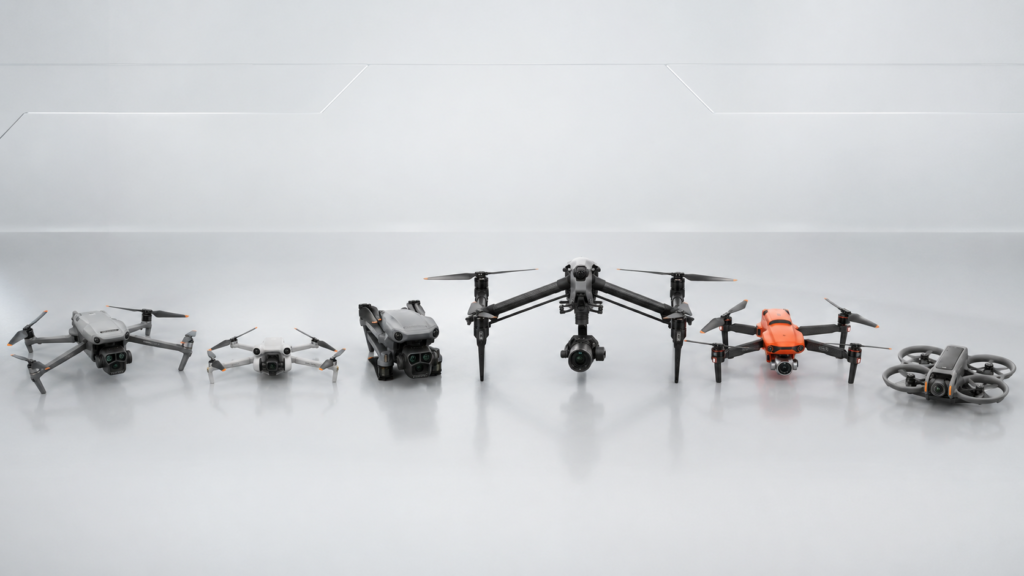
- Mejores Drones Profesionales
- 🏆 Nuestra selección rápida
- ¿Cómo hemos seleccionado estos drones?
- Tabla comparativa de los mejores drones profesionales
- DJI Air 3: El Drone Profesional Más Equilibrado del Mercado
-
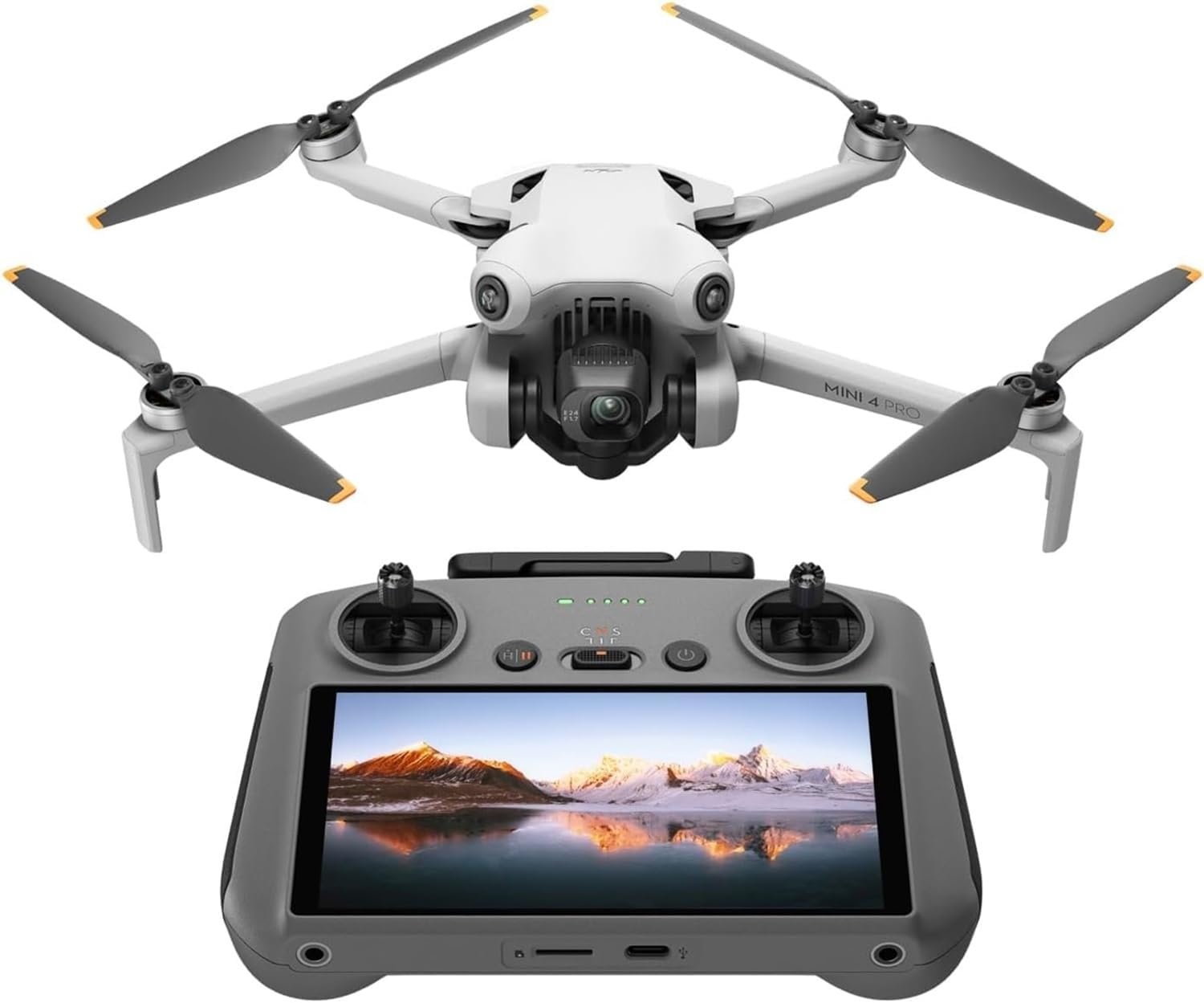
DJI Mini 4 Pro: El Mejor Drone Profesional por Calidad-Precio
- Características técnicas de DJI Mini 4 Pro
- Diseño y experiencia de uso
- Calidad de cámara y vídeo
- Modos inteligentes y seguridad
- ¿Para quién recomiendo el DJI Mini 4 Pro?
- Mi opinión sobre el DJI Mini 4 Pro
- Ventajas e inconvenientes de DJI Mini 4 Pro
- Video reseña y comparativa del DJI Mini 4 Pro
- Veredicto final
- DJI Mavic 3 Pro: La Referencia para Fotografía Aérea Profesional
- Veredicto final
-
DJI Inspire 3: El Drone para Cine y Grandes Producciones
- Características técnicas de DJI Inspire 3
- Diseño y experiencia de uso
- Calidad de cámara y vídeo
- Modos inteligentes y funciones profesionales
- ¿Para quién recomiendo el DJI Inspire 3?
- Mi opinión sobre el DJI Inspire 3
- Ventajas e inconvenientes de DJI Inspire 3
- Video reseña y comparativa del DJI Inspire 3
- Veredicto final
-
Autel EVO II Pro: La Mejor Alternativa Profesional a DJI
- Características técnicas de Autel EVO II Pro
- Diseño y experiencia de uso
- Calidad de cámara y vídeo
- Modos inteligentes y seguridad
- ¿Para quién recomiendo el Autel EVO II Pro?
- Mi opinión sobre el Autel EVO II Pro
- Ventajas e inconvenientes de Autel EVO II Pro
- Video reseña y comparativa del Autel EVO II Pro
- Veredicto final
- DJI Avata 2: El Mejor Drone FPV Profesional para Capturar Imágenes Espectaculares
- ¿Existen drones profesionales para agricultura?
- Guía de compra: Cómo elegir un drone profesional
- Errores frecuentes al comprar un drone profesional
- Conclusión
- Sigue aprendiendo sobre drones
- Preguntas frecuentes sobre los mejores drones profesionales
Mejores Drones Profesionales
Hace apenas unos años hablar de drones profesionales era hacerlo de equipos utilizados únicamente por grandes productoras audiovisuales o empresas de ingeniería.
Hoy la situación ha cambiado completamente.
Actualmente encontramos drones capaces de capturar imágenes cinematográficas, realizar inspecciones industriales, elaborar modelos 3D mediante fotogrametría o grabar anuncios publicitarios con una calidad espectacular y un precio mucho más accesible que hace unos años.
Sin embargo, precisamente esa evolución ha provocado que elegir el modelo adecuado sea cada vez más complicado.
No necesita el mismo drone un fotógrafo inmobiliario que un creador de contenido para YouTube, una empresa de topografía o un piloto especializado en grabaciones FPV.
Por eso, antes de invertir una cantidad importante de dinero, conviene conocer qué ofrece realmente cada modelo y cuál se adapta mejor a las necesidades de cada profesional.
En esta comparativa analizaremos los mejores drones profesionales disponibles actualmente, explicando sus características, puntos fuertes, limitaciones y el perfil de usuario para el que está recomendado cada uno.
Nuestro objetivo no es mostrar simplemente una lista de drones, sino ayudarte a elegir el modelo que realmente se adapta a tu forma de trabajar.
🏆 Nuestra selección rápida
🥇 Mejor drone profesional en general → DJI Air 3
📷 Mejor drone para fotografía profesional → DJI Mavic 3 Pro
🎥 Mejor drone para producción audiovisual → DJI Inspire 3
💰 Mejor relación calidad-precio → DJI Mini 4 Pro
🚁 Mejor drone FPV profesional → DJI Avata 2
🌍 Mejor alternativa a DJI → Autel EVO II Pro
¿Cómo hemos seleccionado estos drones?
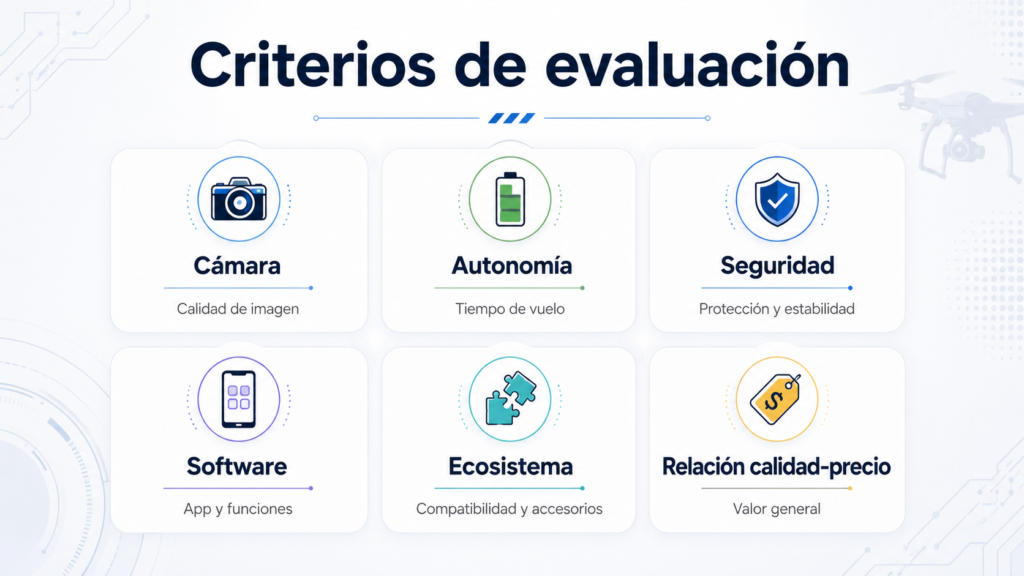
Internet está lleno de comparativas donde simplemente se enumeran varios modelos sin explicar por qué aparecen en la lista.
En Bright Technology queremos hacer algo diferente.
Para elaborar esta comparativa hemos tenido en cuenta aspectos realmente importantes para un uso profesional:
- Calidad de imagen en fotografía y vídeo.
- Fiabilidad durante largas jornadas de trabajo.
- Autonomía real de vuelo.
- Seguridad y sistemas de asistencia.
- Disponibilidad de accesorios y baterías.
- Ecosistema de software del fabricante.
- Relación calidad-precio.
- Popularidad entre fotógrafos, videógrafos, topógrafos y creadores de contenido.
También hemos priorizado drones que siguen siendo una compra inteligente a medio y largo plazo, evitando recomendar modelos que ya han quedado claramente superados o cuya disponibilidad es muy limitada.
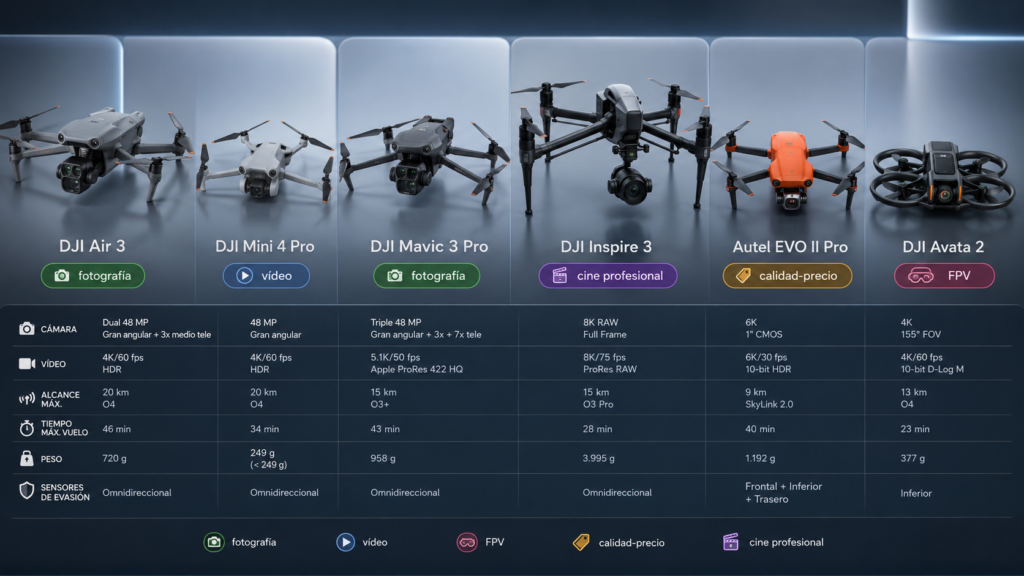
Tabla comparativa de los mejores drones profesionales
| Drone | Mejor para | Cámara | Autonomía | Nivel | Ver precio |
|---|---|---|---|---|---|
| DJI Air 3 | Profesional todoterreno | Doble cámara 4K | 46 min | ⭐⭐⭐⭐⭐ | Ver Drone |
| DJI Mini 4 Pro | Calidad-precio | 4K HDR | 34 min | ⭐⭐⭐⭐⭐ | Ver Drone |
| DJI Mavic 3 Pro | Fotografía profesional | Triple cámara Hasselblad | 43 min | ⭐⭐⭐⭐⭐ | Ver Drone |
| DJI Inspire 3 | Cine profesional | Full Frame 8K | 28 min | ⭐⭐⭐⭐⭐ | Ver Drone |
| Autel EVO II Pro | Alternativa a DJI | 6K | 40 min | ⭐⭐⭐⭐☆ | Ver Drone |
| DJI Avata 2 | FPV profesional | 4K | 23 min | ⭐⭐⭐⭐⭐ | Ver Drone |
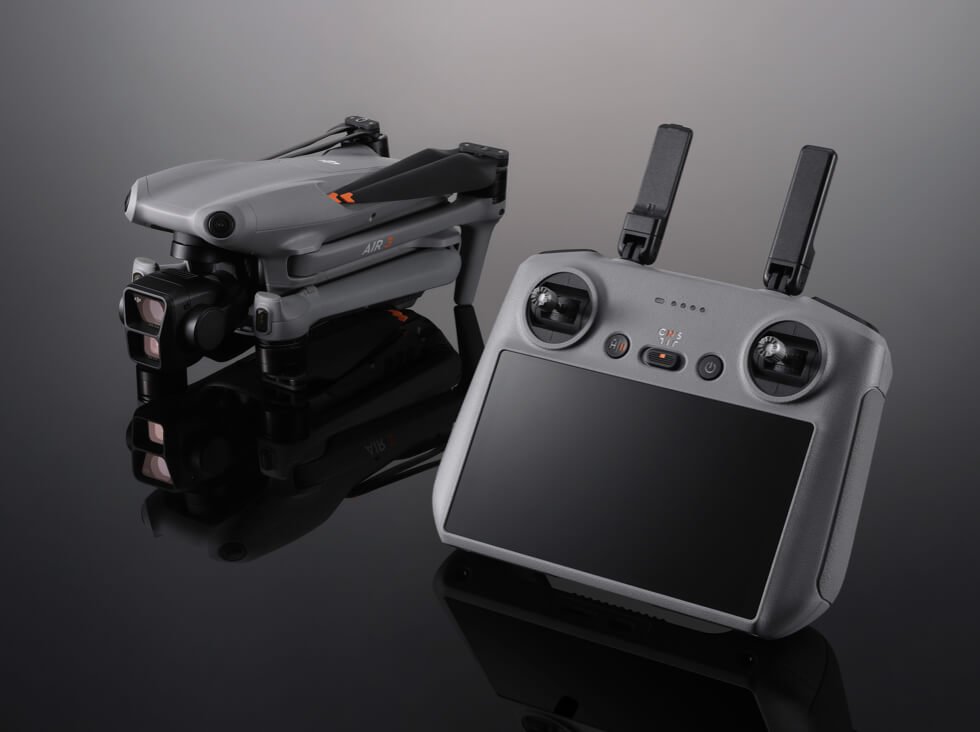
DJI Air 3: El Drone Profesional Más Equilibrado del Mercado
Si tuviera que recomendar un único modelo para la mayoría de profesionales, probablemente elegiría el DJI Air 3.
Este drone representa uno de los mayores avances que ha realizado DJI durante los últimos años, ofreciendo prestaciones que hasta hace poco estaban reservadas para equipos de gama mucho más alta.
Su gran virtud no es únicamente la calidad de imagen.
Lo realmente interesante es el equilibrio que consigue entre portabilidad, autonomía, seguridad, facilidad de pilotaje y posibilidades creativas.
Por ello se ha convertido en uno de los modelos favoritos para fotógrafos, videógrafos, agencias inmobiliarias, creadores de contenido y empresas que necesitan un drone profesional con cámara capaz de adaptarse a prácticamente cualquier escenario.
Además, al tratarse de uno de los modelos que más protagonismo tendrá dentro de nuestro silo, más adelante encontrarás una review completa donde analizaremos todas sus funciones en profundidad.
Características técnicas de DJI Air 3
• Doble cámara gran angular y teleobjetivo
• Grabación hasta 4K/100 fps
• Sensor de obstáculos omnidireccional
• ActiveTrack 360°
• Hasta 46 minutos de autonomía
• Transmisión DJI O4
• Return To Home inteligente
• Waypoint Flight
Diseño y experiencia de uso
El DJI Air 3 mantiene el ADN de la familia Air, pero introduce mejoras que se notan desde el primer vuelo.
Su diseño plegable facilita enormemente el transporte y ofrece una sensación de robustez muy superior a la de generaciones anteriores.
A pesar de no ser tan compacto como la gama Mini, continúa siendo un drone relativamente fácil de transportar para fotógrafos, creadores de contenido o profesionales que trabajan habitualmente en exteriores.
Durante el vuelo transmite una confianza absoluta.
La combinación del sistema de posicionamiento GPS, los sensores de obstáculos omnidireccionales y el nuevo sistema de transmisión DJI O4 consigue una experiencia extremadamente estable incluso cuando se trabaja a largas distancias.
Uno de los aspectos que más me gusta del Air 3 es que permite concentrarte en la composición de la escena y olvidarte prácticamente del pilotaje.
Eso marca una diferencia enorme cuando se realizan trabajos profesionales donde cada segundo cuenta.
Calidad de cámara y vídeo
Si hay un apartado donde el DJI Air 3 demuestra por qué está considerado uno de los mejores drones profesionales, es en su sistema de cámaras.
DJI ha apostado por una configuración de doble cámara formada por un objetivo gran angular y un teleobjetivo medio de 70 mm, ambos con sensores de 48 megapíxeles. Esta combinación ofrece una flexibilidad enorme durante el trabajo, permitiendo cambiar de perspectiva sin perder calidad y sin necesidad de acercar físicamente el drone al sujeto.
En fotografía, el resultado es sobresaliente.
Las imágenes presentan un nivel de detalle excelente, colores muy naturales y un rango dinámico que permite recuperar información tanto en altas luces como en sombras durante la edición.
Para profesionales que trabajan con Lightroom o Capture One, disponer de archivos con este margen de edición supone una ventaja importante.
En vídeo, el DJI Air 3 mantiene el mismo nivel.
Es capaz de grabar en 4K hasta 100 fps, lo que facilita la creación de cámaras lentas muy fluidas y aporta un aspecto mucho más cinematográfico a cualquier producción.
Además, es compatible con perfiles de color como D-Log M y HLG, algo especialmente interesante para quienes realizan corrección de color profesional.
En la práctica, esto significa que el Air 3 puede utilizarse sin problemas para:
- Producciones audiovisuales.
- Publicidad.
- Vídeos corporativos.
- Contenido para YouTube.
- Marketing inmobiliario.
- Turismo.
- Eventos.
- Redes sociales.
Personalmente, uno de los aspectos que más valoro es la posibilidad de alternar rápidamente entre el objetivo principal y el teleobjetivo.
Ese cambio permite crear secuencias mucho más dinámicas sin modificar la posición del drone y abre posibilidades creativas que hasta hace poco solo encontrábamos en drones bastante más caros.
Modos inteligentes y seguridad
DJI lleva años liderando el desarrollo de asistentes inteligentes de vuelo, y el Air 3 es un excelente ejemplo de ello.
Este modelo incorpora un conjunto de funciones diseñadas para facilitar tanto el trabajo del piloto como la obtención de resultados profesionales.
Entre las más destacadas encontramos:
- ActiveTrack 360°.
- Spotlight.
- Point of Interest.
- Waypoint Flight.
- Cruise Control.
- MasterShots.
- QuickShots.
- Hyperlapse.
- Return To Home inteligente.
Sin embargo, la característica que realmente marca la diferencia es su sistema de detección de obstáculos omnidireccional.
Mientras muchos drones analizan únicamente determinadas direcciones, el Air 3 supervisa continuamente el entorno para reducir el riesgo de colisiones.
Para un profesional que trabaja cerca de edificios, árboles o infraestructuras, esta ayuda supone una enorme tranquilidad.
También destaca la nueva transmisión DJI O4, que mejora el alcance y la estabilidad de la señal respecto a generaciones anteriores.
Todo ello convierte al Air 3 en una herramienta extremadamente fiable para trabajos profesionales.
¿Para quién recomiendo el DJI Air 3?
El DJI Air 3 está especialmente indicado para:
✅ Fotógrafos profesionales.
✅ Videógrafos.
✅ Empresas inmobiliarias.
✅ Productoras audiovisuales.
✅ Creadores de contenido.
✅ Empresas de turismo.
✅ Inspecciones técnicas ligeras.
✅ Profesionales que buscan un único drone para múltiples trabajos.
Si tuviera que recomendar un modelo capaz de adaptarse a la mayoría de situaciones, este sería probablemente el primero de la lista.
Mi opinión sobre el DJI Air 3
El DJI Air 3 me parece uno de los productos más equilibrados que DJI ha lanzado en los últimos años.
No pretende competir directamente con el Inspire 3 en cine profesional ni con el Mavic 3 Pro en fotografía de máximo nivel.
Su objetivo es mucho más inteligente.
Ofrecer un drone extremadamente versátil.
Y lo consigue.
Después de analizar sus características y compararlo con otros modelos profesionales, considero que ofrece uno de los mejores equilibrios entre precio, calidad de imagen, autonomía y facilidad de uso.
Lo recomendaría especialmente a cualquier profesional que necesite un equipo capaz de realizar distintos tipos de trabajo sin tener que transportar un drone de grandes dimensiones.
Además, gracias a su doble cámara y a las mejoras introducidas en el sistema de vuelo, continúa siendo una compra plenamente vigente.
Si tuviera que invertir mi dinero en un único drone profesional para fotografía, vídeo y creación de contenido, probablemente elegiría este modelo.
Ventajas e inconvenientes de DJI Air 3
- Doble cámara muy versátil con gran angular y teleobjetivo.
- Excelente calidad de fotografía y vídeo en 4K.
- Hasta 46 minutos de autonomía.
- Sensores de obstáculos omnidireccionales.
- ActiveTrack 360° de última generación.
- Muy equilibrado entre tamaño y prestaciones.
- Ideal para fotografía, vídeo e inspecciones.
- Precio superior al de la gama Mini.
- No alcanza la calidad fotográfica del Mavic 3 Pro.
- Su tamaño requiere una mochila algo mayor.
- Para trabajos cinematográficos extremos sigue existiendo el Inspire 3.
Video reseña y comparativa de DJI Air 3
Veredicto final
El DJI Air 3 es, en mi opinión, el drone profesional más equilibrado que puede comprarse actualmente.
No es el más caro ni el más avanzado en un apartado concreto.
Pero precisamente ahí reside su mayor fortaleza.
Consigue ofrecer un rendimiento sobresaliente en fotografía, vídeo, autonomía, seguridad y facilidad de uso dentro de un formato relativamente compacto.
Por eso ocupa el primer puesto de esta comparativa y representa una de las mejores inversiones para cualquier profesional que busque un equipo versátil y preparado para afrontar prácticamente cualquier tipo de trabajo.
DJI Mini 4 Pro: El Mejor Drone Profesional por Calidad-Precio
Cuando DJI presentó el Mini 4 Pro, muchos usuarios pensaron que simplemente se trataba de una evolución natural del Mini 3 Pro.
Sin embargo, después de analizarlo en profundidad, queda claro que estamos ante un drone que ha conseguido romper la barrera entre la gama de iniciación y el uso profesional.
Su combinación de peso inferior a 249 gramos, calidad de imagen, sensores de obstáculos y funciones inteligentes hace que cada vez más fotógrafos, creadores de contenido e incluso pequeñas empresas lo utilicen como herramienta principal de trabajo.
No es casualidad que aparezca constantemente entre las recomendaciones cuando alguien busca un drone profesional con cámara, un equipo para fotografía aérea profesional o un modelo ligero capaz de viajar a cualquier parte sin renunciar a prestaciones avanzadas.
Además, al tratarse de uno de los drones con mayor proyección dentro de nuestro silo, más adelante encontrarás una review completa donde analizaremos todas sus funciones y comparativas frente a otros modelos de DJI.
Características técnicas de DJI Mini 4 Pro
• Cámara 4K HDR
• Sensor de 48 MP
• Peso inferior a 249 g
• Hasta 34 minutos de autonomía
• ActiveTrack 360°
• Detección de obstáculos omnidireccional
• Grabación vertical nativa
• Transmisión DJI O4
Diseño y experiencia de uso
Aunque pertenece a la familia Mini, el DJI Mini 4 Pro transmite sensaciones muy cercanas a drones de categorías superiores.
Su principal ventaja sigue siendo el equilibrio entre tamaño y prestaciones.
Gracias a sus dimensiones compactas resulta extremadamente cómodo para viajar, desplazarse entre localizaciones o llevarlo siempre en la mochila durante una jornada de trabajo.
Sin embargo, esa portabilidad no implica renunciar a una experiencia de vuelo profesional.
Desde el primer despegue destaca la precisión con la que mantiene la posición, la suavidad de los movimientos y la enorme confianza que transmite incluso en manos de pilotos con poca experiencia.
Es precisamente esa combinación entre facilidad de uso y prestaciones avanzadas la que ha convertido al Mini 4 Pro en una referencia para fotógrafos, creadores de contenido y profesionales que necesitan un equipo ligero sin sacrificar calidad.
Calidad de cámara y vídeo
Uno de los aspectos que más sorprende del DJI Mini 4 Pro es comprobar hasta qué punto DJI ha conseguido acercar prestaciones profesionales a un drone de menos de 249 gramos.
Su cámara incorpora un sensor de 48 megapíxeles capaz de grabar vídeo en 4K HDR, ofreciendo una calidad de imagen excelente tanto para fotografía como para producciones audiovisuales.
En fotografía, el nivel de detalle es sobresaliente.
Las imágenes presentan colores muy equilibrados, un excelente rango dinámico y una nitidez que permite trabajar posteriormente con programas de edición como Lightroom o Photoshop sin perder calidad.
Esto lo convierte en una herramienta muy interesante para:
- Fotografía inmobiliaria.
- Turismo.
- Fotografía de paisajes.
- Marketing digital.
- Redes sociales.
- Eventos.
En vídeo ocurre algo similar.
La posibilidad de grabar en HDR mejora notablemente la gestión de luces y sombras, especialmente durante amaneceres o atardeceres.
Además, la grabación vertical nativa supone una ventaja enorme para quienes generan contenido en plataformas como Instagram, TikTok o YouTube Shorts.
Muchos profesionales siguen utilizando drones mucho más grandes para este tipo de trabajos, pero la realidad es que el Mini 4 Pro ofrece resultados capaces de satisfacer a la inmensa mayoría de clientes.
Precisamente por eso considero que actualmente es uno de los mejores drones profesionales calidad-precio.
Modos inteligentes y seguridad
DJI ha incorporado prácticamente todas las funciones inteligentes presentes en sus modelos superiores.
Entre ellas destacan:
- ActiveTrack 360°.
- MasterShots.
- Hyperlapse.
- Waypoint Flight.
- QuickShots.
- Spotlight.
- Cruise Control.
- Return To Home inteligente.
Sin embargo, donde realmente marca diferencias es en su sistema de detección de obstáculos omnidireccional.
Gracias a estos sensores, el drone analiza constantemente el entorno y ayuda al piloto a evitar posibles colisiones.
Esto resulta especialmente útil durante grabaciones complejas o cuando se trabaja cerca de árboles, edificios o infraestructuras.
Otro aspecto muy positivo es la nueva transmisión DJI O4, que mejora considerablemente la estabilidad de la señal y reduce la latencia respecto a generaciones anteriores.
Todo ello convierte al Mini 4 Pro en un drone extremadamente seguro tanto para pilotos principiantes como para profesionales.
¿Para quién recomiendo el DJI Mini 4 Pro?
Este modelo está especialmente recomendado para:
✅ Fotógrafos que necesitan un equipo ligero.
✅ Creadores de contenido.
✅ Empresas inmobiliarias.
✅ Profesionales que viajan con frecuencia.
✅ Pilotos que buscan un único drone para fotografía y vídeo.
✅ Usuarios que quieren un drone profesional sin realizar una inversión tan elevada como la que requieren los modelos de cine.
Si trabajas principalmente en exteriores y valoras la portabilidad, resulta difícil encontrar una alternativa más equilibrada.
Mi opinión sobre el DJI Mini 4 Pro
El DJI Mini 4 Pro demuestra perfectamente que el tamaño ya no determina las capacidades de un drone.
Hace pocos años era impensable encontrar un equipo tan ligero con un nivel de calidad semejante.
Después de analizarlo y compararlo con modelos de categorías superiores, creo que sigue siendo una de las compras más inteligentes que puede realizar un profesional independiente.
No sustituye completamente al Mavic 3 Pro cuando hablamos de fotografía de máximo nivel ni al Inspire 3 en grandes producciones cinematográficas.
Pero para la inmensa mayoría de fotógrafos, videógrafos y creadores de contenido ofrece un rendimiento espectacular.
Además, su reducido tamaño facilita muchísimo el transporte.
Y eso, cuando trabajas desplazándote continuamente entre localizaciones, termina convirtiéndose en una ventaja enorme.
Si tuviera que elegir un drone profesional para viajar constantemente, probablemente sería mi primera opción.
Ventajas e inconvenientes de DJI Mini 4 Pro
- Excelente calidad de imagen en fotografía y vídeo.
- Peso inferior a 249 gramos.
- Muy fácil de transportar.
- Sensores de obstáculos omnidireccionales.
- Grabación vertical para redes sociales.
- Funciones inteligentes muy completas.
- Magnífica relación entre prestaciones y precio.
- No dispone de doble cámara como el DJI Air 3.
- Su sensor es inferior al del Mavic 3 Pro.
- No está orientado a grandes producciones cinematográficas.
- Los accesorios originales de DJI incrementan el coste final.
Video reseña y comparativa del DJI Mini 4 Pro
Veredicto final
El DJI Mini 4 Pro demuestra que un drone profesional no tiene por qué ser grande ni excesivamente caro.
Su equilibrio entre calidad de imagen, funciones inteligentes, seguridad y portabilidad hace que siga siendo una de las mejores compras para fotógrafos, creadores de contenido y pequeñas empresas.
Si buscas un equipo capaz de acompañarte durante años sin disparar el presupuesto, pocas opciones ofrecen tanto por tan poco.
DJI Mavic 3 Pro: La Referencia para Fotografía Aérea Profesional
Cuando hablamos de fotografía aérea de alto nivel, existe un modelo que sigue apareciendo como referencia en prácticamente cualquier estudio o productora: el DJI Mavic 3 Pro.
Este drone no está pensado para quienes buscan iniciarse en el mundo de los drones.
Está diseñado para profesionales que necesitan la máxima calidad de imagen, una enorme versatilidad óptica y un equipo capaz de afrontar proyectos comerciales exigentes.
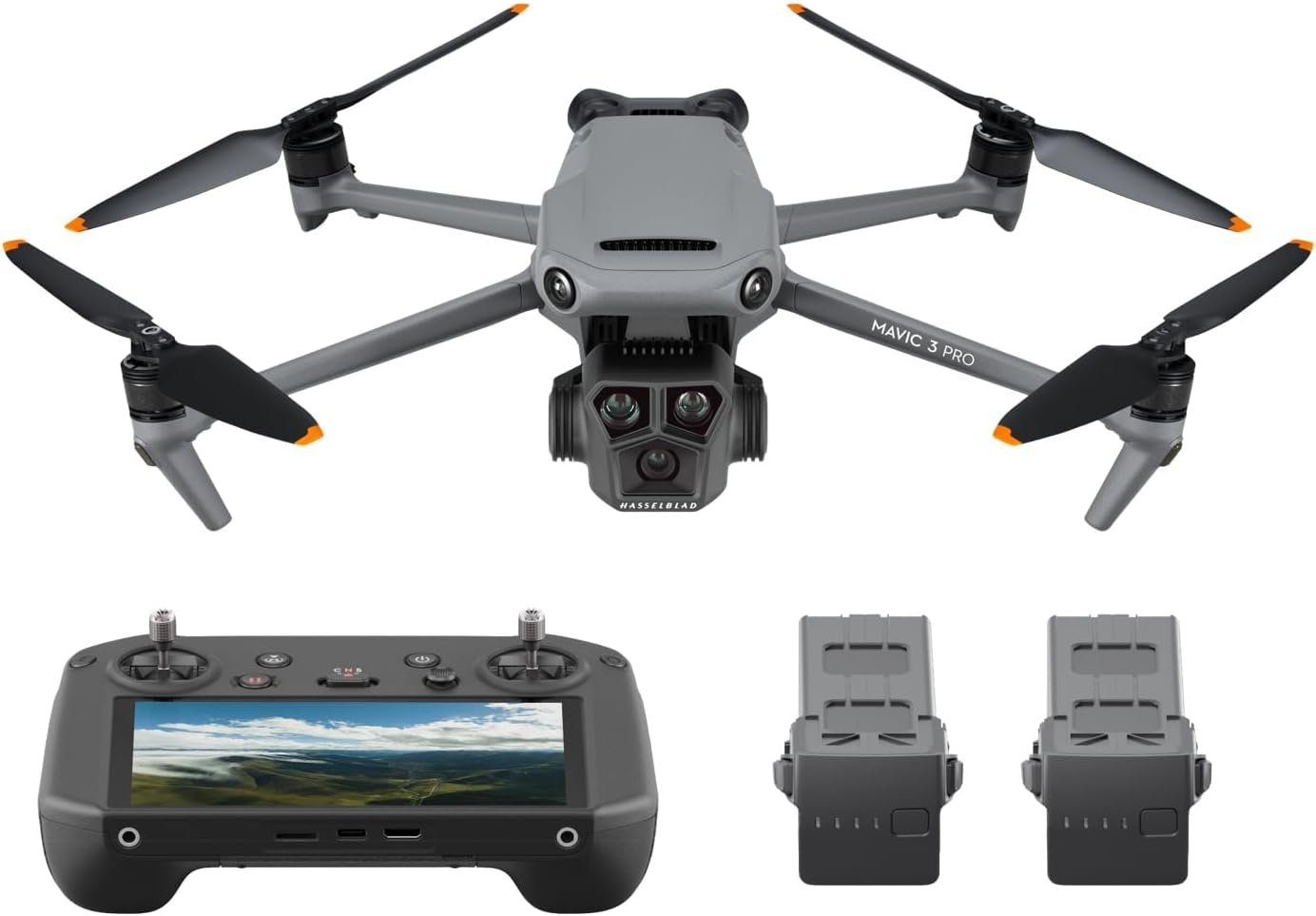
La gran diferencia respecto al resto de modelos de esta comparativa es su sistema de triple cámara.
Gracias a la combinación de una cámara principal Hasselblad y dos teleobjetivos, el Mavic 3 Pro ofrece una flexibilidad creativa difícil de igualar.
Por ello se ha convertido en una herramienta habitual para:
- Fotografía comercial.
- Publicidad.
- Turismo.
- Producciones audiovisuales.
- Documentales.
- Arquitectura.
- Paisaje.
Si tu trabajo depende directamente de la calidad de imagen, este drone continúa siendo uno de los referentes absolutos del mercado.
Características técnicas de DJI Mavic 3 Pro
• Triple cámara Hasselblad
• Sensor Four Thirds
• Teleobjetivo medio y teleobjetivo largo
• Grabación hasta 5.1K
• Hasta 43 minutos de autonomía
• Detección de obstáculos omnidireccional
• ActiveTrack 5.0
• Transmisión DJI O3+
Diseño y experiencia de uso
A simple vista ya transmite que estamos ante un drone de una categoría superior.
Su construcción es excelente, los materiales ofrecen una sensación premium y el conjunto inspira mucha confianza incluso antes de despegar.
Aunque resulta más voluminoso que un Mini 4 Pro o un Air 3, sigue siendo suficientemente compacto para transportarlo con relativa comodidad entre diferentes localizaciones.
Sin embargo, donde realmente destaca es una vez comienza el vuelo.
La estabilidad es extraordinaria.
La respuesta de los controles resulta extremadamente precisa y permite realizar movimientos muy suaves, algo imprescindible cuando se trabaja en producciones audiovisuales o fotografía profesional.
Es un drone pensado para quienes necesitan resultados consistentes cada día, independientemente del tipo de proyecto.
Calidad de cámara y vídeo
Si el DJI Air 3 representa el equilibrio y el Mini 4 Pro la mejor relación calidad-precio, el DJI Mavic 3 Pro es, sin duda, el referente cuando hablamos de calidad de imagen.
La gran revolución de este modelo es su sistema de triple cámara, algo que cambia por completo la forma de trabajar de fotógrafos y videógrafos profesionales.
Su cámara principal Hasselblad incorpora un sensor CMOS 4/3, considerablemente más grande que el presente en la mayoría de drones de consumo. Esto se traduce en una mayor captación de luz, un rango dinámico superior y un rendimiento excelente incluso durante amaneceres, atardeceres o escenas con iluminación complicada.
A ella se suman dos teleobjetivos que permiten cambiar completamente la narrativa visual sin mover el drone.
En la práctica supone poder realizar:
- Planos generales espectaculares.
- Retratos aéreos.
- Fotografía de arquitectura.
- Grabaciones de naturaleza.
- Producciones cinematográficas.
- Publicidad.
- Turismo de lujo.
Todo ello con una flexibilidad difícil de igualar.
Además, el Mavic 3 Pro puede grabar vídeo en 5.1K, trabajar con perfiles de color profesionales como D-Log M y capturar material preparado para procesos avanzados de edición y corrección de color.
Cuando el cliente exige el máximo nivel de calidad, este drone continúa siendo una de las mejores herramientas disponibles.
Modos inteligentes y seguridad
DJI ha equipado al Mavic 3 Pro con prácticamente todas las tecnologías desarrolladas para sus drones profesionales.
Entre las funciones más destacadas encontramos:
- ActiveTrack 5.0.
- MasterShots.
- Hyperlapse.
- Waypoint Flight.
- Cruise Control.
- Return To Home inteligente.
- APAS 5.0.
- Detección de obstáculos omnidireccional.
El sistema APAS permite que el drone detecte obstáculos y genere automáticamente rutas alternativas cuando resulta posible, algo especialmente útil durante vuelos complejos.
También incorpora una transmisión extremadamente estable que facilita trabajar a largas distancias manteniendo siempre una excelente calidad de imagen en el monitor.
Todo ello convierte al Mavic 3 Pro en un drone pensado para largas jornadas de trabajo donde la fiabilidad resulta tan importante como la calidad de imagen.
¿Para quién recomiendo el DJI Mavic 3 Pro?
Este drone está claramente orientado a:
✅ Fotógrafos profesionales.
✅ Productoras audiovisuales.
✅ Publicidad.
✅ Turismo de alto nivel.
✅ Arquitectura.
✅ Documentales.
✅ Empresas que necesitan la máxima calidad fotográfica.
No lo recomendaría como primer drone.
Es un equipo pensado para profesionales que ya conocen el flujo de trabajo con drones y necesitan un salto importante en calidad.
Mi opinión sobre el DJI Mavic 3 Pro
El Mavic 3 Pro sigue siendo uno de esos productos que cuesta encontrar un punto débil.
Es cierto que supone una inversión considerable.
Sin embargo, también ofrece una calidad de imagen que continúa situándose entre las mejores del mercado.
La incorporación del sistema de triple cámara multiplica las posibilidades creativas y permite afrontar proyectos muy diferentes sin necesidad de cambiar de equipo.
Personalmente considero que es uno de los mejores drones para fotografía aérea jamás fabricados.
Si tu actividad profesional depende directamente de la calidad de imagen, difícilmente encontrarás un modelo más completo antes de dar el salto al Inspire 3.
Ventajas e inconvenientes de DJI Mavic 3 Pro
- Triple cámara extremadamente versátil.
- Sensor Hasselblad de gran tamaño.
- Excelente calidad fotográfica.
- Grabación en 5.1K.
- Gran autonomía.
- Sensores de obstáculos omnidireccionales.
- Uno de los mejores drones para fotografía profesional.
- Precio elevado.
- Mayor tamaño que la gama Air y Mini.
- Requiere experiencia para aprovechar todo su potencial.
- No está pensado para usuarios ocasionales.
Video reseña y comparativa del DJI Mavic 3 Pro
Veredicto final
Si tu prioridad absoluta es la fotografía aérea profesional, el DJI Mavic 3 Pro continúa siendo una de las mejores inversiones que puedes realizar.
Su sistema de triple cámara, la calidad del sensor Hasselblad y las posibilidades creativas que ofrece justifican plenamente su posición dentro de esta comparativa.
DJI Inspire 3: El Drone para Cine y Grandes Producciones
Hablar del DJI Inspire 3 es hacerlo de una categoría completamente diferente.
Mientras que el resto de modelos de esta comparativa están orientados a fotógrafos, creadores de contenido o pequeñas empresas, el Inspire 3 está diseñado para producciones cinematográficas, televisión, publicidad internacional y proyectos donde la calidad de imagen no admite concesiones.
Es el tipo de drone que encontramos trabajando en anuncios de grandes marcas, documentales, videoclips y producciones audiovisuales de alto presupuesto.
Su precio, tamaño y posibilidades lo sitúan muy lejos del usuario aficionado, pero también convierten al Inspire 3 en uno de los drones más impresionantes que existen actualmente.
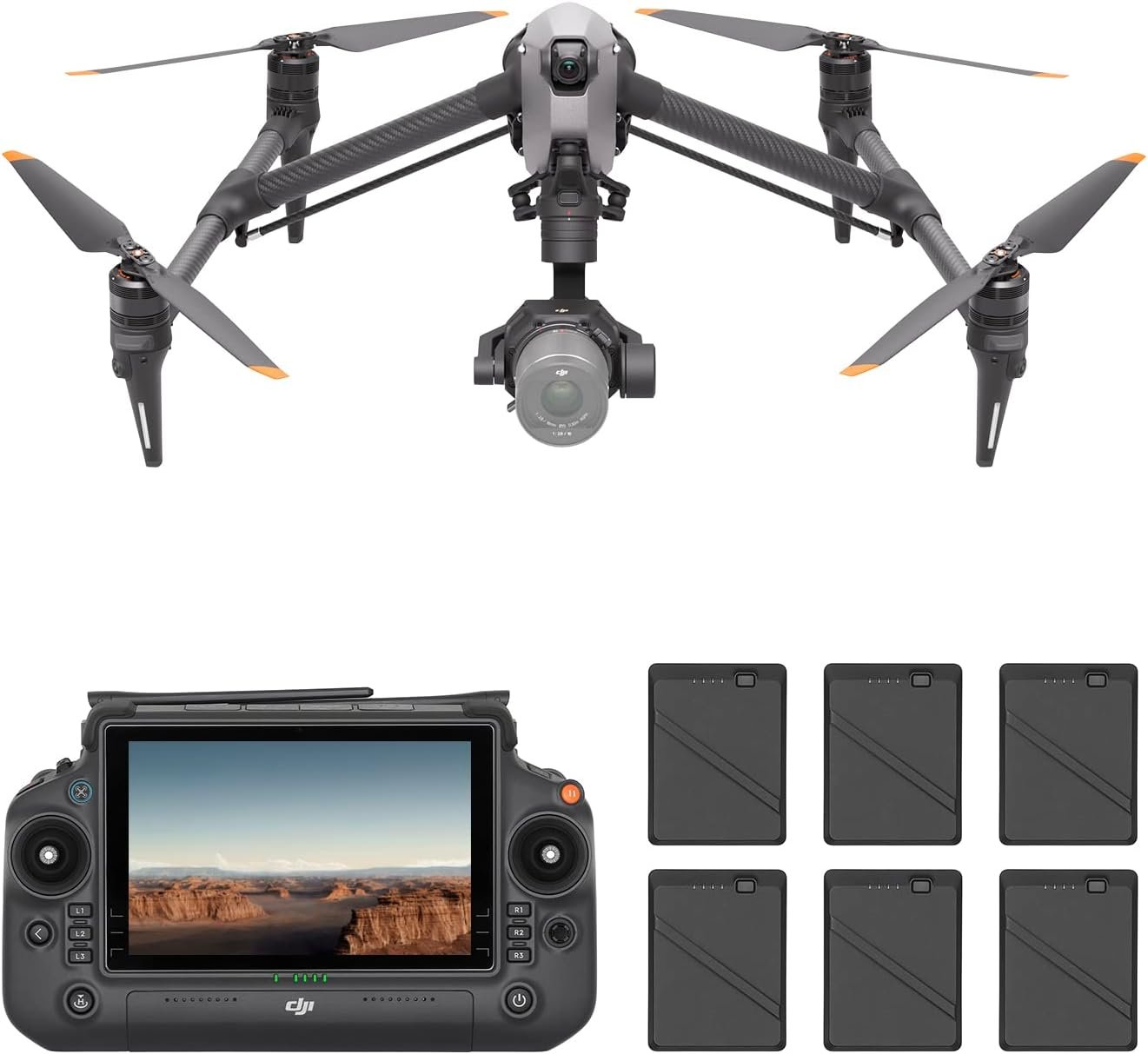
Características técnicas de DJI Inspire 3
• Cámara Zenmuse X9 Full Frame
• Grabación hasta 8K CinemaDNG y Apple ProRes RAW
• Doble operador (piloto + cámara)
• Hasta 28 minutos de vuelo
• RTK integrado
• Sensores omnidireccionales
• Sistema de posicionamiento de alta precisión
• Velocidad máxima superior a 90 km/h
Diseño y experiencia de uso
Desde el primer momento queda claro que el Inspire 3 no pretende ser un drone portátil.
Su estructura, mucho más robusta que la del resto de modelos analizados, está diseñada para soportar largas jornadas de grabación y ofrecer la máxima estabilidad durante vuelos complejos.
Uno de sus rasgos más característicos es el tren de aterrizaje retráctil.
Gracias a este sistema, la cámara dispone de una visión completamente despejada durante los movimientos panorámicos, permitiendo capturar secuencias imposibles para la mayoría de drones convencionales.
Además, el Inspire 3 admite configuraciones con doble operador.
Mientras una persona controla el vuelo, otra maneja exclusivamente la cámara.
Esta separación del trabajo mejora enormemente la precisión y la creatividad durante las grabaciones.
Es un equipo claramente orientado al ámbito profesional más exigente.
Calidad de cámara y vídeo
La verdadera razón por la que el DJI Inspire 3 ocupa un lugar privilegiado dentro del sector audiovisual no está en su autonomía ni en su velocidad.
Está en su cámara.
El Inspire 3 incorpora la Zenmuse X9, un sistema de imagen Full Frame diseñado específicamente para producciones cinematográficas de alto nivel.
Estamos hablando de una cámara capaz de grabar en 8K CinemaDNG y Apple ProRes RAW, formatos utilizados habitualmente en cine, televisión y publicidad internacional.
La diferencia respecto a un drone convencional es enorme.
No solo ofrece una resolución muy superior.
También proporciona un rango dinámico extraordinario, una profundidad de color mucho mayor y una flexibilidad increíble durante la edición.
Esto permite realizar procesos avanzados de etalonaje, integración de efectos visuales y postproducción profesional sin comprometer la calidad final.
Además, el Inspire 3 admite diferentes objetivos intercambiables.
Esta posibilidad abre un abanico creativo enorme para directores de fotografía y operadores de cámara que necesitan adaptar la óptica a cada escena.
Gracias a ello puede utilizarse para:
- Producciones cinematográficas.
- Series de televisión.
- Spots publicitarios.
- Documentales.
- Videoclips.
- Grandes eventos.
- Producciones para plataformas de streaming.
Si el objetivo es obtener la máxima calidad posible desde el aire, actualmente sigue siendo una de las referencias absolutas del mercado.
Modos inteligentes y funciones profesionales
A diferencia de otros drones donde predominan las funciones automáticas para facilitar el aprendizaje, el Inspire 3 está pensado para optimizar el trabajo de equipos profesionales.
Entre sus características destacan:
- RTK integrado para posicionamiento de alta precisión.
- Trayectorias repetibles.
- Waypoint Pro.
- Doble operador.
- ActiveTrack Pro.
- Sistema avanzado de detección de obstáculos.
- Modos cinematográficos específicos.
Especialmente interesante resulta el sistema RTK.
Gracias a esta tecnología, el Inspire 3 puede repetir exactamente el mismo recorrido en diferentes momentos del día o incluso semanas después.
Esta función resulta imprescindible para producciones donde deben repetirse movimientos de cámara idénticos.
También destaca la posibilidad de trabajar con un piloto y un operador de cámara independientes.
Mientras uno controla el vuelo, el otro se dedica exclusivamente al encuadre y los movimientos cinematográficos.
Esta forma de trabajar ofrece un nivel creativo imposible de conseguir con drones más sencillos.
¿Para quién recomiendo el DJI Inspire 3?
El Inspire 3 está claramente orientado a:
✅ Productoras audiovisuales.
✅ Cine.
✅ Televisión.
✅ Publicidad.
✅ Documentales.
✅ Grandes eventos.
✅ Empresas especializadas en producción audiovisual.
No tendría sentido adquirir este drone para un uso recreativo o para pequeños trabajos ocasionales.
Es una herramienta profesional diseñada para generar rentabilidad en proyectos audiovisuales de alto presupuesto.
Mi opinión sobre el DJI Inspire 3
El Inspire 3 representa el máximo exponente de la tecnología de DJI orientada al sector audiovisual.
No pretende competir con el Air 3 ni con el Mavic 3 Pro.
Juega en otra categoría completamente distinta.
Su calidad de imagen, el sistema Full Frame, la grabación en 8K y las posibilidades que ofrece durante un rodaje justifican plenamente su precio para aquellas empresas que realmente necesitan ese nivel de rendimiento.
Obviamente no es un drone pensado para la mayoría de usuarios.
Pero cuando hablamos de cine profesional, pocas herramientas ofrecen actualmente un equilibrio tan alto entre movilidad y calidad de imagen.
Ventajas e inconvenientes de DJI Inspire 3
- Calidad cinematográfica de primer nivel.
- Grabación hasta 8K CinemaDNG y ProRes RAW.
- Cámara Full Frame con objetivos intercambiables.
- RTK integrado para máxima precisión.
- Configuración para doble operador.
- Ideal para cine, televisión y publicidad.
- Uno de los drones profesionales más avanzados del mundo.
- Precio muy elevado.
- Gran tamaño y menor portabilidad.
- Requiere experiencia profesional.
- Costes de mantenimiento superiores.
Video reseña y comparativa del DJI Inspire 3
Veredicto final
El DJI Inspire 3 no es simplemente un drone.
Es una herramienta cinematográfica diseñada para trabajar en producciones donde cada plano debe cumplir los estándares más exigentes de la industria.
Si tu negocio gira en torno al cine, la televisión o la publicidad de alto nivel, sigue siendo una de las mejores inversiones disponibles.
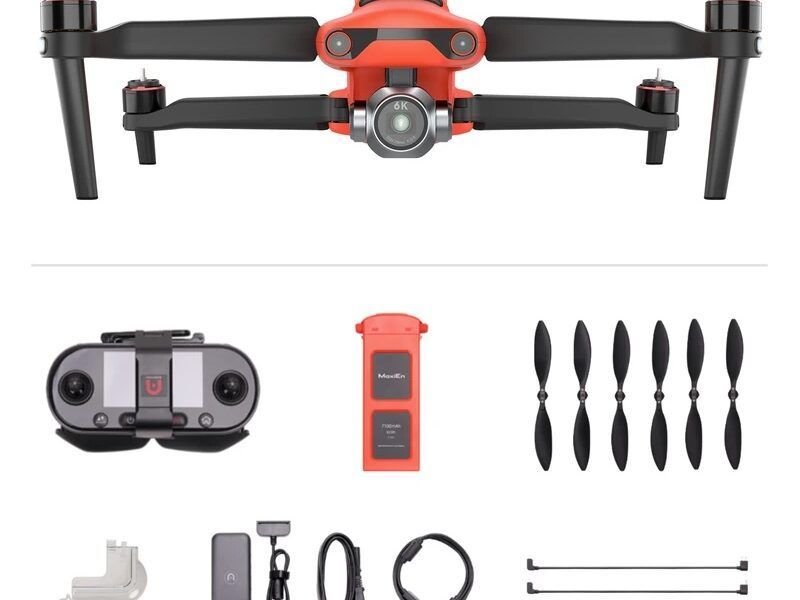
Autel EVO II Pro: La Mejor Alternativa Profesional a DJI
Aunque DJI domina claramente el mercado de los drones profesionales, existen fabricantes que han conseguido desarrollar productos muy competitivos.
Uno de ellos es Autel Robotics, cuya gama EVO II Pro se ha convertido en la principal alternativa para aquellos profesionales que buscan un equipo de altas prestaciones sin depender del ecosistema DJI.
El Autel EVO II Pro destaca especialmente por ofrecer una excelente calidad de imagen, una gran autonomía y un software cada vez más completo.
Además, para determinadas empresas supone una opción interesante por cuestiones relacionadas con políticas corporativas, privacidad o compatibilidad con determinados entornos de trabajo.
Características técnicas de Autel EVO II Pro
• Sensor de 1 pulgada
• Resolución hasta 6K
• Fotografía de 20 MP
• Hasta 40 minutos de autonomía
• Detección de obstáculos en 360°
• Modos inteligentes de vuelo
• Motores Brushless
• Sistema de transmisión de largo alcance
Diseño y experiencia de uso
A nivel de construcción, el Autel EVO II Pro transmite una sensación de robustez muy similar a la de los modelos profesionales de DJI.
Su estructura plegable facilita el transporte y permite desplazarse cómodamente entre diferentes localizaciones de trabajo.
Durante el vuelo ofrece un comportamiento muy estable.
Los controles responden con precisión y el posicionamiento GPS mantiene el drone perfectamente inmóvil cuando resulta necesario capturar fotografías de larga exposición o secuencias de vídeo especialmente delicadas.
Uno de los aspectos más interesantes es que la aplicación de Autel ha evolucionado notablemente durante los últimos años.
Aunque todavía no alcanza el nivel de refinamiento de DJI Fly, la experiencia general resulta muy satisfactoria para la mayoría de profesionales.
Calidad de cámara y vídeo
El Autel EVO II Pro incorpora un sensor de 1 pulgada capaz de grabar vídeo en 6K, ofreciendo una calidad muy elevada tanto para fotografía como para producción audiovisual.
Las imágenes presentan un excelente nivel de detalle y un comportamiento muy sólido en escenas con buena iluminación.
También ofrece un amplio margen para la edición posterior, lo que permite adaptar el material a distintos estilos de color o necesidades comerciales.
Para fotografía aérea, arquitectura, inspecciones y marketing inmobiliario ofrece resultados realmente competitivos.
Precisamente por ello continúa siendo la principal alternativa para quienes buscan salir del ecosistema DJI sin renunciar a prestaciones profesionales.
Modos inteligentes y seguridad
El Autel EVO II Pro incorpora un conjunto de funciones inteligentes que facilitan enormemente el trabajo diario de fotógrafos, videógrafos e inspectores técnicos.
Entre las más destacadas encontramos:
- Dynamic Track.
- Orbit Mode.
- Waypoint Mission.
- Return To Home automático.
- Vuelo asistido mediante GPS.
- Detección de obstáculos en 360°.
- Modos automáticos de fotografía.
Estas herramientas permiten automatizar muchas maniobras repetitivas y ayudan a obtener resultados más consistentes sin necesidad de realizar todo el vuelo manualmente.
Uno de los aspectos que más me gusta de este modelo es su estabilidad.
Durante vuelos lentos mantiene perfectamente la posición y transmite una sensación de seguridad muy alta, algo especialmente importante cuando se trabaja cerca de infraestructuras, edificios o zonas de difícil acceso.
Además, la detección de obstáculos en todas las direcciones reduce considerablemente el riesgo de accidentes y convierte al EVO II Pro en un drone muy fiable para trabajos profesionales.
¿Para quién recomiendo el Autel EVO II Pro?
Este modelo resulta especialmente interesante para:
✅ Empresas de inspección industrial.
✅ Fotógrafos profesionales.
✅ Topografía.
✅ Arquitectura.
✅ Marketing inmobiliario.
✅ Empresas que buscan una alternativa al ecosistema DJI.
También lo recomendaría a profesionales que ya conocen el funcionamiento de drones avanzados y desean ampliar su flota con un segundo fabricante.
Mi opinión sobre el Autel EVO II Pro
Aunque DJI continúa liderando claramente el mercado, Autel ha conseguido posicionarse como la alternativa más seria dentro del segmento profesional.
El EVO II Pro ofrece una calidad de imagen excelente, una autonomía muy competitiva y un comportamiento en vuelo realmente sólido.
Es cierto que el ecosistema de DJI continúa siendo más completo en cuanto a accesorios, software y comunidad de usuarios.
Sin embargo, eso no significa que el Autel EVO II Pro sea una opción inferior.
Simplemente responde a otro perfil de usuario.
Si buscas un drone profesional de altas prestaciones sin depender de DJI, probablemente sea la mejor alternativa disponible actualmente.
Ventajas e inconvenientes de Autel EVO II Pro
- Excelente calidad de imagen en resolución 6K.
- Muy buena autonomía.
- Sensores de obstáculos en 360°.
- Construcción robusta.
- Gran alternativa al ecosistema DJI.
- Ideal para inspecciones y fotografía aérea.
- Software menos refinado que DJI Fly.
- Menor disponibilidad de accesorios.
- Comunidad de usuarios más reducida.
- Precio elevado frente a otras alternativas.
Video reseña y comparativa del Autel EVO II Pro
Veredicto final
El Autel EVO II Pro demuestra que existen excelentes alternativas fuera del ecosistema DJI.
Su combinación de calidad de imagen, autonomía y seguridad lo convierte en una herramienta muy recomendable para fotógrafos, topógrafos, inspectores y empresas que buscan un drone profesional fiable y con un rendimiento sobresaliente.
DJI Avata 2: El Mejor Drone FPV Profesional para Capturar Imágenes Espectaculares
Los drones FPV han revolucionado completamente la forma de grabar vídeos.
Gracias a ellos es posible realizar movimientos imposibles para un drone convencional, atravesar espacios reducidos, seguir vehículos a gran velocidad o crear secuencias con una sensación de inmersión espectacular.
Dentro de esta categoría, el DJI Avata 2 se ha convertido en uno de los modelos más completos y accesibles para quienes buscan iniciarse en el mundo del FPV sin renunciar a prestaciones profesionales.
Aunque comparte tecnología con otros drones DJI, su filosofía es completamente distinta.
No está pensado para fotografía aérea tradicional.
Su objetivo es ofrecer una experiencia de vuelo extremadamente dinámica y producir vídeos con un estilo cinematográfico muy difícil de conseguir mediante drones convencionales.
Por ello es habitual verlo en producciones deportivas, publicidad, turismo, videoclips y contenidos para redes sociales.
Características técnicas de DJI Avata 2
• Cámara 4K HDR ultra gran angular
• Protector de hélices integrado
• Hasta 23 minutos de autonomía
• Grabación estabilizada con RockSteady y HorizonSteady
• Compatible con DJI Goggles 3
• Control mediante Motion Controller 3 o mando FPV
• Transmisión DJI O4
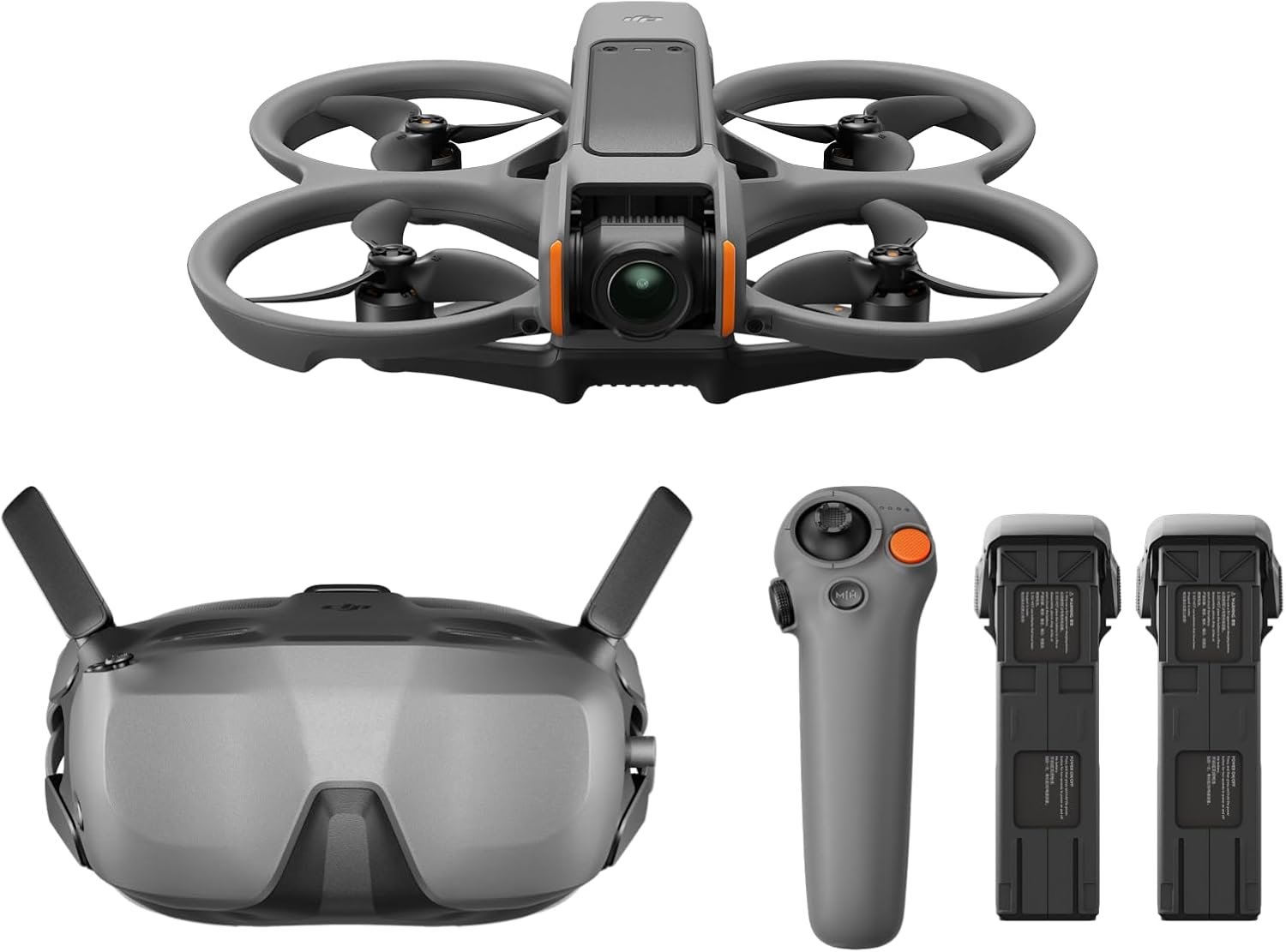
Diseño y experiencia de uso
El DJI Avata 2 rompe completamente con el diseño habitual de los drones DJI.
Su estructura compacta incorpora protectores de hélices integrados que aumentan la seguridad durante vuelos cercanos a personas, edificios o interiores.
Esta característica permite asumir movimientos mucho más arriesgados sin comprometer la integridad del drone.
Además, su reducido tamaño facilita enormemente el transporte y permite preparar el equipo en pocos minutos.
Sin embargo, lo más llamativo aparece cuando comienzas a volar.
Utilizando las nuevas DJI Goggles 3 y el Motion Controller 3, la sensación de inmersión resulta espectacular.
Es como si el piloto viajara dentro del propio drone.
Esa experiencia cambia completamente la forma de grabar.
En lugar de limitarse a mover una cámara desde el aire, el operador pasa a formar parte de la escena.
Precisamente por ello el Avata 2 se ha convertido en uno de los drones preferidos por creadores de contenido, agencias publicitarias y productoras audiovisuales que buscan secuencias mucho más impactantes.
Calidad de cámara y vídeo
Aunque el FPV suele asociarse principalmente con la velocidad, el DJI Avata 2 también ofrece una calidad de imagen muy elevada.
Su cámara permite grabar vídeo en 4K HDR, capturando imágenes muy detalladas y con una excelente reproducción del color.
La incorporación de tecnologías como RockSteady y HorizonSteady mejora enormemente la estabilidad, incluso durante maniobras muy agresivas.
Esto permite obtener secuencias fluidas sin necesidad de recurrir constantemente a estabilizadores externos en postproducción.
Para grabar:
- Deportes extremos.
- Automóviles.
- Motociclismo.
- Turismo.
- Hoteles.
- Inmobiliarias.
- Videoclips.
el resultado es espectacular.
Muy pocos drones consiguen transmitir tanta sensación de velocidad y cercanía como el Avata 2.
Modos inteligentes y seguridad
Uno de los mayores avances del Avata 2 respecto a generaciones anteriores es que DJI ha conseguido simplificar enormemente el vuelo FPV.
Entre las funciones más interesantes destacan:
- Frenado de emergencia.
- Return To Home automático.
- Modos Normal, Sport y Manual.
- RockSteady.
- HorizonSteady.
- Grabación HDR.
- Transmisión DJI O4.
Estas ayudas permiten que incluso pilotos con poca experiencia puedan comenzar a disfrutar del FPV con un nivel de seguridad muy superior al de drones FPV tradicionales construidos de forma artesanal.
Precisamente esa facilidad de uso ha sido una de las claves de su enorme éxito.
¿Para quién recomiendo el DJI Avata 2?
El DJI Avata 2 está dirigido a un perfil de usuario muy concreto.
No es el drone que recomendaría para realizar cartografía, topografía o fotografía aérea tradicional.
Sin embargo, cuando el objetivo es capturar imágenes dinámicas y ofrecer un punto de vista completamente diferente, pocos modelos consiguen resultados similares.
Lo recomendaría especialmente para:
✅ Productoras audiovisuales.
✅ Creadores de contenido para YouTube.
✅ Agencias de publicidad.
✅ Empresas de turismo.
✅ Inmobiliarias premium.
✅ Deportes extremos.
✅ Automoción.
✅ Eventos.
También me parece una opción fantástica para pilotos que desean iniciarse en el mundo FPV sin tener que construir un drone desde cero ni enfrentarse a una curva de aprendizaje tan pronunciada como ocurre con los drones FPV tradicionales.
Mi opinión sobre el DJI Avata 2
El DJI Avata 2 ha conseguido democratizar el vuelo FPV.
Hace apenas unos años, para obtener este tipo de imágenes era necesario construir un drone manualmente, configurar todos sus componentes y dedicar muchas horas de práctica antes de conseguir resultados aceptables.
Hoy todo ese proceso prácticamente ha desaparecido.
DJI ha desarrollado un ecosistema muy sencillo que permite disfrutar del FPV desde el primer día.
Eso no significa que sustituya completamente a un drone FPV de competición.
Ni tampoco pretende hacerlo.
Su objetivo consiste en ofrecer una herramienta profesional capaz de producir imágenes espectaculares con una enorme facilidad de uso.
Y en mi opinión lo consigue.
Si trabajas creando contenido audiovisual y buscas diferenciarte de la competencia, el Avata 2 puede convertirse en uno de los equipos más rentables de tu mochila.
Ventajas e inconvenientes de DJI Avata 2
- Experiencia FPV muy inmersiva.
- Excelente calidad de vídeo 4K HDR.
- Muy fácil de aprender frente a otros drones FPV.
- Gran nivel de estabilización.
- Protectores de hélices integrados.
- Ideal para publicidad, deporte y turismo.
- Ecosistema DJI muy completo.
- No está orientado a fotografía aérea tradicional.
- Autonomía inferior a otros drones profesionales.
- Para aprovechar el modo Manual requiere práctica.
- No sustituye a un FPV de competición.
Video reseña y comparativa del DJI Avata 2
Veredicto final
El DJI Avata 2 ocupa un lugar muy especial dentro de esta comparativa.
No pretende ser el mejor drone para fotografía ni para topografía.
Su objetivo es ofrecer una experiencia FPV profesional con la menor curva de aprendizaje posible.
Y precisamente ahí reside su enorme éxito.
Para creadores de contenido, productoras y empresas que buscan diferenciarse mediante vídeos mucho más dinámicos, sigue siendo una de las mejores compras del mercado.
¿Existen drones profesionales para agricultura?
Cuando se habla de drones profesionales, muchas personas piensan automáticamente en fotografía, vídeo o inspecciones técnicas.
Sin embargo, existe un sector que está creciendo a un ritmo espectacular y que merece una mención especial: la agricultura de precisión.
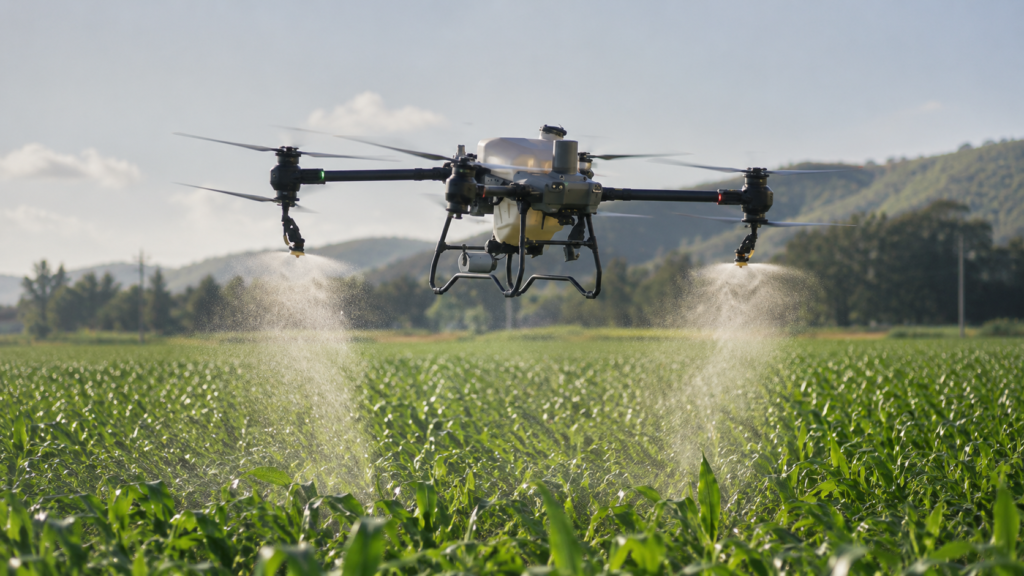
Los drones agrícolas se utilizan para optimizar el trabajo en explotaciones de todo tipo, permitiendo ahorrar tiempo, reducir costes y mejorar el rendimiento de los cultivos.
Entre sus aplicaciones más habituales destacan:
- Pulverización y fumigación de cultivos.
- Aplicación localizada de fertilizantes.
- Monitorización del estado de las plantas mediante cámaras multiespectrales.
- Detección temprana de plagas y enfermedades.
- Elaboración de mapas de rendimiento.
- Gestión eficiente del riego.
- Agricultura de precisión.
Actualmente, la gama DJI Agras se ha convertido en una de las referencias mundiales dentro de este sector gracias a modelos como el DJI Agras T25 o el DJI Agras T50, capaces de cubrir grandes superficies con una enorme precisión.
Se trata de equipos muy diferentes a los drones analizados en esta comparativa.
Su precio, tamaño y funciones están orientados exclusivamente al ámbito agrícola y requieren formación específica para aprovechar todo su potencial.
Precisamente por su importancia, dedicaremos una guía completa donde analizaremos en profundidad cuáles son los mejores drones agrícolas, cómo funcionan y qué aspectos debes tener en cuenta antes de invertir en este tipo de tecnología.
Guía de compra: Cómo elegir un drone profesional
Elegir un drone profesional no consiste únicamente en comprar el modelo con la cámara más avanzada o el precio más elevado.
La mejor elección dependerá siempre del trabajo que vayas a realizar.
Calidad de la cámara
La cámara continúa siendo uno de los aspectos más importantes.
No necesita el mismo sensor un creador de contenido para redes sociales que una productora cinematográfica.
Si vas a trabajar principalmente con fotografía aérea o publicidad, merece la pena invertir en un modelo con mayor rango dinámico y mejores perfiles de color.
Autonomía
Cuanto mayor sea la autonomía, más eficiente resultará cada jornada de trabajo.
Modelos como el DJI Air 3 permiten permanecer cerca de 46 minutos en el aire, reduciendo el número de aterrizajes y cambios de batería.
Sensores de obstáculos
Cuando trabajas cerca de edificios, árboles o infraestructuras, disponer de sensores omnidireccionales supone una enorme ventaja tanto para la seguridad como para la tranquilidad del piloto.
Ecosistema del fabricante
No solo importa el drone.
También debes valorar:
- Disponibilidad de baterías.
- Hélices.
- Repuestos.
- Servicio técnico.
- Actualizaciones.
- Aplicaciones móviles.
Precisamente por ello DJI continúa siendo la referencia del sector.
Normativa
Antes de comprar cualquier drone profesional conviene conocer la legislación vigente.
En España será necesario cumplir la normativa publicada por AESA, respetar las categorías operacionales definidas por EASA y utilizar herramientas como ENAIRE Drones para comprobar dónde puedes volar legalmente.
👉 Normativa para drones en España.
👉 Cómo registrar un drone en España.
Errores frecuentes al comprar un drone profesional
Estos son algunos de los errores que veo con mayor frecuencia.
Comprar más tecnología de la que realmente necesitas
No todos los profesionales necesitan un Inspire 3.
Muchas veces un Air 3 o un Mini 4 Pro ofrecen exactamente el mismo resultado para el cliente final.
Elegir únicamente por el precio
El drone más barato rara vez termina siendo la mejor inversión.
Conviene valorar también la fiabilidad, el soporte técnico y la disponibilidad de accesorios.
Ignorar el software
La aplicación móvil y el ecosistema del fabricante forman parte de la experiencia de uso.
En ocasiones marcan tanta diferencia como la propia cámara.
No pensar en el futuro
Si tu actividad profesional va a crecer, resulta más inteligente invertir desde el principio en un equipo que pueda acompañarte durante varios años.
Conclusión
Elegir un drone profesional es una decisión que va mucho más allá de comparar especificaciones técnicas.
Cada modelo ha sido diseñado para resolver necesidades muy concretas y precisamente por eso es importante analizar el tipo de trabajo que vas a realizar antes de invertir.
Después de comparar los principales modelos del mercado, estas serían mis recomendaciones finales.
🏆 DJI Air 3 → El mejor drone profesional en términos de equilibrio entre prestaciones, autonomía y versatilidad.
📷 DJI Mavic 3 Pro → La mejor opción para fotografía aérea profesional.
🎬 DJI Inspire 3 → La referencia absoluta para cine, televisión y grandes producciones audiovisuales.
💰 DJI Mini 4 Pro → El drone profesional con la mejor relación calidad-precio.
🚁 DJI Avata 2 → La mejor alternativa para grabaciones FPV con un acabado cinematográfico.
🌍 Autel EVO II Pro → La mejor opción para quienes buscan una alternativa sólida al ecosistema DJI.
Todos ellos son excelentes drones.
La diferencia está en elegir el que realmente se adapta a tu forma de trabajar.
Sigue aprendiendo sobre drones
Si estás pensando en dedicarte profesionalmente al mundo de los drones o quieres seguir ampliando conocimientos, estos artículos complementarán perfectamente esta guía:
Preguntas frecuentes sobre los mejores drones profesionales
Si tuviera que recomendar un único modelo para la mayoría de usuarios profesionales, elegiría el DJI Air 3.
Su combinación de calidad de imagen, doble cámara, autonomía, sensores de obstáculos y facilidad de uso lo convierten en uno de los drones más equilibrados del mercado.
Para la mayoría de fotógrafos, videógrafos y creadores de contenido ofrece todo lo necesario sin llegar al coste de un equipo cinematográfico.
Si la prioridad absoluta es la fotografía aérea, el DJI Mavic 3 Pro continúa siendo una referencia gracias a su sistema de triple cámara y al sensor Hasselblad.
En cambio, si hablamos de grandes producciones cinematográficas, el DJI Inspire 3 juega en una categoría superior gracias a su cámara Full Frame y la posibilidad de grabar en 8K.
Actualmente considero que el DJI Mini 4 Pro ocupa ese puesto.
Ofrece una calidad de imagen extraordinaria, sensores de obstáculos omnidireccionales, un peso inferior a 249 gramos y funciones avanzadas que hasta hace poco solo encontrábamos en drones mucho más caros.
Sí, siempre que el drone vaya a formar parte de tu actividad profesional.
Sectores como la fotografía inmobiliaria, la producción audiovisual, la inspección industrial, el turismo, la arquitectura o la topografía utilizan cada vez más este tipo de equipos para ofrecer servicios de mayor calidad y diferenciarse de la competencia.
Antes de realizar la inversión, conviene calcular el retorno económico que puede aportar el drone a tu negocio.
La principal diferencia no está únicamente en el precio.
Un drone profesional suele incorporar mejores sensores, cámaras de mayor calidad, sistemas avanzados de seguridad, mayor autonomía y funciones específicas para trabajos técnicos o audiovisuales.
Además, los modelos profesionales ofrecen un ecosistema mucho más completo de accesorios, baterías, software y soporte técnico.
Si tu actividad se centra principalmente en la fotografía, el DJI Mavic 3 Pro continúa siendo una de las mejores opciones disponibles gracias a su sistema de triple cámara y al sensor Hasselblad.
Si buscas una alternativa más ligera y económica, el DJI Mini 4 Pro también ofrece resultados excelentes.
Dependerá del tipo de producción.
Para publicidad, turismo o creación de contenido, el DJI Air 3 ofrece un equilibrio excelente.
Para producciones cinematográficas, el DJI Inspire 3 es la referencia.
Para secuencias dinámicas y deportivas, el DJI Avata 2 proporciona un estilo de grabación completamente diferente.
Muy buen artículo hablando de estos drones profesionales. Sin duda muy completo y detallado.