
- DJI Neo Review
- ⭐ Mi valoración rápida
- ✅ Ficha rápida
- ¿Qué incluye la caja?
- Primeras impresiones
- Mi experiencia tras las primeras horas de vuelo
- Diseño y calidad de construcción
- Experiencia de vuelo
- Calidad fotográfica
- Calidad de vídeo
- Modos inteligentes
- Lo que más me gusta del DJI Neo
- ¿Qué cambiaría del DJI Neo?
- ¿Para quién recomiendo el DJI Neo?
- ¿Qué tipo de piloto eres?
- ¿Lo volvería a comprar hoy?
- Lo mejor para…
- ¿Merece la pena comprar el DJI Neo?
- Antes de comprar el DJI Neo, ten en cuenta esto
- Mi decisión
- Preguntas frecuentes sobre el DJI Neo
- Conclusión
- Sigue aprendiendo sobre drones
DJI Neo Review
El DJI Neo ha supuesto un cambio de rumbo dentro del catálogo de DJI. Mientras que modelos como el DJI Mini 4 Pro o el DJI Air 3 están claramente orientados a usuarios que buscan fotografía aérea avanzada, el Neo nace con un objetivo completamente distinto: hacer que cualquier persona pueda empezar a volar un drone y grabar contenido en cuestión de segundos.
Su filosofía recuerda más a una cámara inteligente con hélices que a un drone tradicional.
Y eso no es una crítica.
De hecho, creo que es precisamente ahí donde reside su mayor virtud.
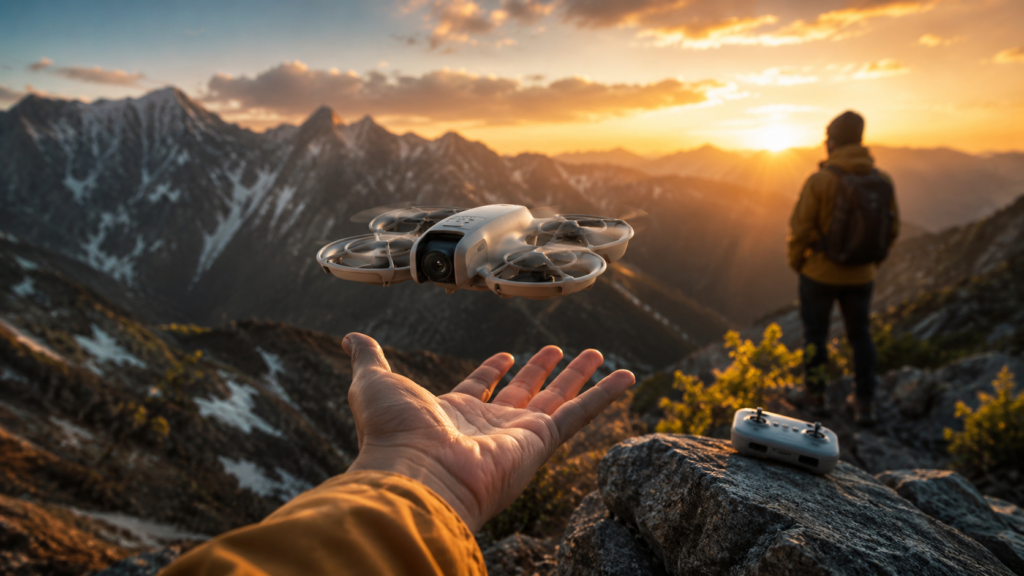
DJI ha eliminado buena parte de la complejidad que siempre ha acompañado a este tipo de dispositivos. No necesitas realizar configuraciones complicadas, ni aprender a manejar decenas de funciones antes del primer vuelo. Puedes despegar directamente desde la palma de la mano, seleccionar uno de los modos automáticos y empezar a grabar casi de inmediato.
Esta simplicidad ha convertido al Neo en una de las opciones más interesantes para viajeros, creadores de contenido y usuarios que quieren un drone ligero, fácil de transportar y con una curva de aprendizaje prácticamente inexistente.
Sin embargo, también es un drone que genera muchas dudas.
¿Puede sustituir al DJI Mini 4 Pro?
¿Compensa frente al Potensic Atom?
¿Es suficiente para grabar vídeos de calidad o se queda en un simple gadget?
En esta review voy a responder a todas esas preguntas analizando el DJI Neo en profundidad para ayudarte a decidir si realmente es el drone que necesitas.
⭐ Mi valoración rápida
⭐⭐⭐⭐⭐ 9,2 / 10
Lo mejor: la facilidad de uso y la rapidez con la que puedes empezar a grabar.
Lo peor: su autonomía y la ausencia de algunas funciones presentes en modelos superiores.
✅ Ficha rápida
🟢 Tipo de drone: Ultraligero para iniciación y creación de contenido.
🟢 Nivel recomendado: Principiante.
🟢 Peso: 135 g aproximadamente.
🟢 Autonomía real: 15-17 minutos.
🟢 Lo compraría para: viajes, redes sociales, excursiones y usuarios que quieren empezar con un drone DJI.
🟢 No lo compraría para: fotografía profesional, trabajos comerciales exigentes o quienes necesiten un zoom óptico o sensores avanzados de obstáculos.
¿Qué incluye la caja?
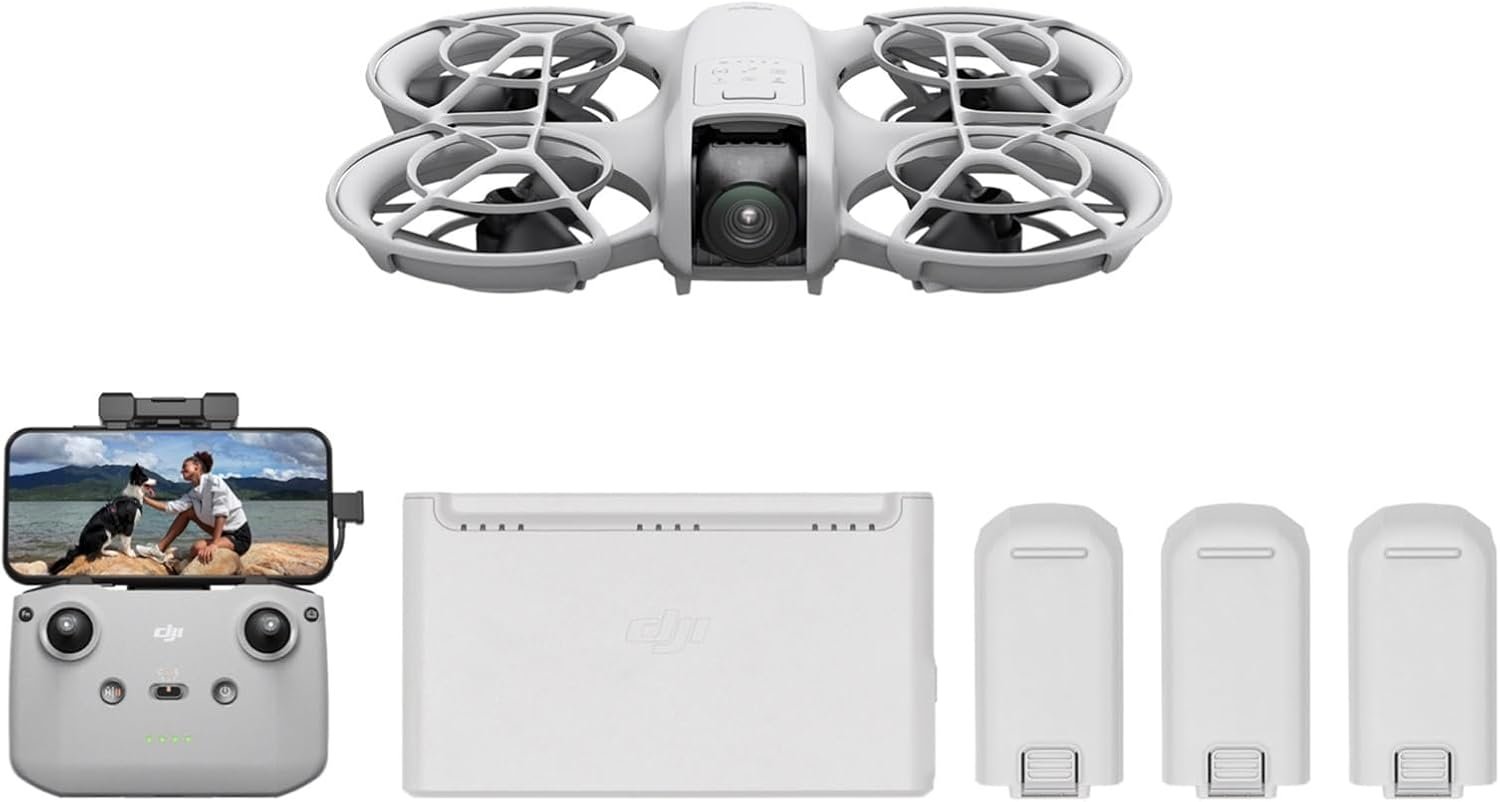
Dependiendo de la versión elegida, el contenido puede variar ligeramente, aunque normalmente encontrarás:
- DJI Neo.
- Batería inteligente.
- Protector del gimbal (si aplica en el kit).
- Hélices de repuesto.
- Cable USB-C.
- Documentación oficial.
👉 Mi recomendación: si vas a utilizar el Neo con frecuencia, merece la pena optar por el pack que incluye baterías adicionales. La autonomía es uno de sus puntos más limitados y disponer de varias baterías cambia completamente la experiencia de uso.
Características técnicas del DJI Neo
- Peso: 135 g aprox.
- Cámara: Vídeo 4K y fotografía de alta resolución
- Despegue: Desde la mano
- Modos inteligentes: Seguimiento mediante IA, QuickShots y vuelos automáticos
- Control: Aplicación DJI Fly, mando opcional y control por voz (según funciones disponibles)
- Autonomía: Hasta 18 minutos (15-17 min reales)
Primeras impresiones
Lo primero que sorprende del DJI Neo no es su cámara ni su tamaño.
Es la facilidad con la que puedes empezar a utilizarlo.
En menos de un minuto puedes sacarlo de la mochila, encenderlo, colocarlo sobre la palma de la mano y despegar sin necesidad de conectar un mando tradicional.
Es una experiencia muy distinta a la que ofrecen otros drones de DJI.
Más inmediata.
Más sencilla.
Y, sobre todo, mucho menos intimidante para quien nunca ha pilotado un drone.
Su reducido tamaño hace que prácticamente desaparezca dentro de la mochila. De hecho, durante varios días de uso terminé llevándolo siempre encima, algo que no me ocurre con drones más grandes.
Ese detalle puede parecer poco importante, pero cambia completamente la frecuencia con la que acabas utilizando el producto.
Porque el mejor drone no siempre es el que tiene la mejor cámara.
Muchas veces es el que realmente llevas contigo cuando surge la oportunidad de grabar.
Mi experiencia tras las primeras horas de vuelo
Después de los primeros vuelos con el DJI Neo, la sensación que me quedó fue muy diferente a la que transmiten otros drones de DJI.
Mientras que el Mini 4 Pro o el Air 3 invitan a planificar un vuelo con calma, el Neo está pensado para aprovechar cualquier momento.
Es el típico drone que acabas utilizando mucho más de lo que imaginabas.
Sales a caminar.
Vas a la playa.
Haces una ruta en bicicleta.
Subes una montaña.
Y en apenas treinta segundos ya estás grabando.
Ese factor de inmediatez es, probablemente, su mayor virtud.
También me sorprendió lo poco intimidante que resulta para personas que nunca han volado un drone. De hecho, después de unos minutos prácticamente cualquiera puede empezar a obtener vídeos muy llamativos utilizando únicamente los modos automáticos.
Evidentemente no ofrece la precisión de un Mini 4 Pro cuando buscas una toma muy concreta.
Pero tampoco pretende hacerlo.
El Neo quiere que grabes más.
Y creo que lo consigue.
Diseño y calidad de construcción
Una de las primeras cosas que llaman la atención del DJI Neo es su diseño.
DJI ha apostado por un formato muy compacto con protectores de hélices completamente integrados, algo que transmite mucha tranquilidad durante los primeros vuelos.
No solo protege el drone.
También protege a las personas que están alrededor.
Esto hace que resulte mucho más cómodo utilizarlo en parques, jardines o espacios abiertos donde un drone convencional puede imponer algo más de respeto.
Los materiales ofrecen una calidad muy buena.
No transmite sensación de juguete.
Todo lo contrario.
Se nota que DJI ha diseñado un producto pensado para soportar un uso frecuente, pequeños golpes y los errores típicos de cualquier principiante.
Otro detalle muy interesante es que prácticamente cabe en un bolsillo amplio de una mochila.
Ese nivel de portabilidad hace que termine acompañándote en situaciones donde probablemente dejarías en casa un drone más grande.
Experiencia de vuelo
Aquí conviene entender perfectamente cuál es la filosofía del Neo.
No pretende ser el drone más rápido.
Ni el más estable con viento.
Ni el que incorpora más funciones profesionales.
Su objetivo consiste en ofrecer una experiencia sencilla.
Y lo consigue.
El despegue desde la mano funciona muy bien y elimina una de las situaciones que más miedo suele generar a los principiantes: el primer despegue desde el suelo.
Una vez en el aire mantiene una estabilidad muy correcta para su tamaño, especialmente cuando las condiciones meteorológicas son favorables.
Los movimientos resultan suaves y muy fáciles de controlar.
Además, los diferentes modos automáticos permiten realizar seguimientos, órbitas y planos dinámicos sin apenas esfuerzo.
Es evidente que un Mini 4 Pro ofrece un control mucho más preciso.
Pero también exige una implicación mayor por parte del piloto.
En el Neo todo está pensado para simplificar la experiencia.
Calidad fotográfica
Si hablamos únicamente de fotografía, el DJI Neo cumple muy bien dentro del segmento al que pertenece.
Las imágenes presentan un buen nivel de detalle, colores naturales y un procesamiento muy agradable directamente desde la cámara.
Eso sí.
Conviene ser realistas.
No está pensado para fotógrafos profesionales.
Su objetivo consiste en obtener fotografías rápidas para compartir en redes sociales, documentar viajes o guardar recuerdos personales.
Y para ese uso funciona realmente bien.
Si buscas editar archivos RAW de forma intensiva o imprimir fotografías de gran formato, probablemente el Mini 4 Pro siga siendo una mejor elección.
Calidad de vídeo
En vídeo es donde el Neo demuestra realmente por qué ha despertado tanto interés.
Permite grabar en 4K, ofreciendo una calidad más que suficiente para crear contenido en YouTube, Instagram, TikTok o cualquier otra plataforma.
La estabilización realiza un trabajo excelente teniendo en cuenta el tamaño del drone.
Durante las pruebas los movimientos resultaron fluidos y agradables, especialmente utilizando los modos automáticos de seguimiento.
Otro aspecto muy positivo es la rapidez con la que puedes empezar a grabar.
No necesitas preparar el vuelo durante varios minutos.
En cuestión de segundos ya estás obteniendo imágenes.
Ese detalle cambia completamente la forma de utilizar el drone.
Y, en mi opinión, explica gran parte de su éxito.
Modos inteligentes
Los modos automáticos son el auténtico protagonista del DJI Neo.
Entre los más interesantes encontramos:
- Seguimiento mediante inteligencia artificial.
- Dronie.
- Rocket.
- Circle.
- Spotlight.
- Despegue desde la mano.
- Aterrizaje automático.
- QuickShots.
Todos ellos están pensados para obtener vídeos llamativos sin necesidad de dominar el pilotaje manual.
De hecho, este enfoque recuerda mucho más al funcionamiento de una cámara inteligente que al de un drone tradicional.
Creo que DJI ha acertado plenamente con esta filosofía.
Lo que más me gusta del DJI Neo
🚀 Lo que más me gusta del DJI Neo es que elimina cualquier excusa para no sacar el drone.
No necesitas una mochila específica.
No necesitas preparar el vuelo durante diez minutos.
No necesitas ser piloto.
Simplemente lo sacas, despega desde la mano y empieza a grabar.
Esa sencillez hace que termine utilizándose muchísimo más de lo que uno imagina cuando lo compra.
Y, al final, ese es probablemente el mejor indicador de que un producto está bien diseñado.
¿Qué cambiaría del DJI Neo?
Aunque el Neo me parece uno de los lanzamientos más interesantes de DJI en los últimos años, hay varios aspectos que mejoraría.
El primero es la autonomía.
Aunque suficiente para vuelos rápidos, se queda algo corta cuando empiezas a grabar varias secuencias seguidas. Personalmente considero casi imprescindible comprar al menos dos baterías adicionales.
También echo en falta una mayor resistencia frente al viento.
Es un drone muy ligero y eso se nota cuando las condiciones meteorológicas dejan de ser ideales.
Por último, aunque entiendo perfectamente el enfoque del producto, algunos usuarios echarán de menos un mayor número de ajustes manuales para fotografía y vídeo.
No son defectos graves.
Simplemente reflejan el tipo de usuario al que va dirigido.
¿Para quién recomiendo el DJI Neo?
Después de probarlo, creo que el perfil de usuario del Neo está muy definido.
Lo recomendaría especialmente para:
✅ Personas que compran su primer drone.
✅ Viajeros que buscan un equipo muy ligero.
✅ Creadores de contenido para redes sociales.
✅ Familias que quieren grabar escapadas y vacaciones.
✅ Usuarios que priorizan la facilidad de uso por encima de las funciones profesionales.
Por el contrario, si tu objetivo principal es realizar fotografía aérea avanzada, trabajos comerciales o vuelos con viento frecuente, probablemente el DJI Mini 4 Pro o el DJI Air 3 sigan siendo opciones más adecuadas.
¿Qué tipo de piloto eres?
| Tipo de usuario | ¿Lo recomiendo? | Motivo |
|---|---|---|
| 🌍 Viajero | ⭐⭐⭐⭐⭐ | Su tamaño y peso hacen que puedas llevarlo siempre contigo sin esfuerzo. |
| 🎥 Creador de contenido | ⭐⭐⭐⭐⭐ | Los modos automáticos permiten grabar vídeos muy atractivos para redes sociales en pocos segundos. |
| 👶 Principiante | ⭐⭐⭐⭐⭐ | Es, probablemente, el drone más sencillo de utilizar de todo el catálogo de DJI. |
| 📸 Fotógrafo | ⭐⭐⭐☆☆ | Cumple muy bien, aunque el Mini 4 Pro ofrece una cámara más completa para trabajos fotográficos. |
| 🏢 Profesional | ⭐⭐☆☆☆ | Puede servir como apoyo para determinadas tomas, pero no sustituye a drones de gamas superiores. |
Mi recomendación rápida
Si buscas un drone extremadamente sencillo, ligero y pensado para disfrutar desde el primer minuto, el DJI Neo es una compra excelente.
Si, en cambio, tu prioridad es la fotografía aérea o los trabajos profesionales, merece la pena valorar opciones como el DJI Mini 4 Pro o el DJI Air 3.
¿Lo volvería a comprar hoy?
Sí.
Pero con un matiz importante.
No lo compraría esperando sustituir al DJI Mini 4 Pro ni al DJI Air 3.
Lo compraría porque ofrece una experiencia completamente diferente.
Mientras que los drones de gamas superiores están pensados para planificar vuelos y buscar la mejor fotografía posible, el Neo invita a hacer justo lo contrario: sacar el drone, despegar en segundos y empezar a grabar.
Y esa diferencia hace que termine utilizándose muchísimo más.
Si tuviera que viajar ligero o quisiera un drone para llevar siempre en la mochila, volvería a comprar el DJI Neo sin pensarlo.
Ahora bien, si mi trabajo dependiera de la fotografía o del vídeo profesional, seguiría apostando por modelos superiores.
Ventajas e inconvenientes del DJI Neo
- Extremadamente fácil de utilizar, incluso para personas sin experiencia.
- Muy compacto y ligero, perfecto para viajar.
- Despegue y aterrizaje desde la palma de la mano.
- Grabación en 4K con buena calidad para redes sociales.
- Seguimiento mediante inteligencia artificial muy eficaz.
- Excelente integración con el ecosistema DJI.
- Configuración muy rápida y sencilla.
- Una de las mejores opciones para iniciarse en el mundo de los drones.
- Autonomía inferior a modelos como el Mini 4 Pro o el Air 3.
- No está pensado para fotografía profesional.
- Su reducido peso lo hace más sensible al viento.
- Menos controles manuales que otros drones de DJI.
- Necesitarás baterías adicionales si vas a grabar durante mucho tiempo.
Lo mejor para…
| Apartado | Valoración |
|---|---|
| 🌍 Viajes | ⭐⭐⭐⭐⭐ |
| 🎥 Redes sociales | ⭐⭐⭐⭐⭐ |
| 👶 Principiantes | ⭐⭐⭐⭐⭐ |
| 📸 Fotografía | ⭐⭐⭐☆☆ |
| 🌬️ Vuelo con viento | ⭐⭐⭐☆☆ |
| 💰 Calidad-precio | ⭐⭐⭐⭐⭐ |
Video reseña y comparativa del DJI Neo
¿Merece la pena comprar el DJI Neo?
En mi opinión, sí, siempre que entiendas el tipo de producto que estás comprando.
El DJI Neo no pretende competir con drones como el Mini 4 Pro o el Air 3 en calidad fotográfica o prestaciones profesionales.
Su objetivo es mucho más sencillo.
Conseguir que cualquier persona pueda despegar, grabar y disfrutar de un drone sin complicaciones.
Y lo consigue.
Es uno de esos productos que sorprenden más por la experiencia de uso que por la ficha técnica.
Durante las pruebas terminé utilizándolo con mucha más frecuencia que otros drones simplemente porque era muy cómodo llevarlo siempre encima.
Si buscas un drone para viajar, compartir contenido en redes sociales o iniciarte en este mundo, creo que pocas opciones ofrecen una experiencia tan satisfactoria.
Antes de comprar el DJI Neo, ten en cuenta esto
Antes de decidirte, hay tres aspectos que considero importantes.
1. No está pensado para sustituir a un Mini 4 Pro
Muchas personas comparan ambos modelos porque pertenecen a DJI.
Sin embargo, juegan en categorías completamente diferentes.
El Neo prioriza la simplicidad.
El Mini 4 Pro busca la máxima calidad de imagen.
Elegir uno u otro dependerá más del uso que vayas a darle que del presupuesto.
2. Compra al menos una batería adicional
Aunque la autonomía es suficiente para vuelos rápidos, terminarás agradeciendo disponer de varias baterías.
Es una inversión pequeña que mejora muchísimo la experiencia de uso.
3. Aprovecha sus modos automáticos
El verdadero potencial del Neo no está en pilotarlo manualmente.
Está en utilizar los modos inteligentes para grabarte caminando, haciendo deporte, viajando o simplemente disfrutando del paisaje.
Es ahí donde realmente marca la diferencia.
Mi decisión
✅ Lo compraría si…
- Quieres un primer drone muy fácil de utilizar.
- Buscas un modelo ligero para viajar.
- Creas contenido para Instagram, TikTok o YouTube Shorts.
- Valoras la rapidez para sacar el drone y empezar a grabar.
- Quieres entrar en el ecosistema DJI con una inversión contenida.
❌ Buscaría otra opción si…
- Tu prioridad es la fotografía aérea profesional.
- Necesitas una gran autonomía.
- Vuelas habitualmente con viento.
- Buscas un drone para trabajos comerciales.
- Quieres un control completamente manual sobre la cámara.
Preguntas frecuentes sobre el DJI Neo
Sí. De hecho, considero que es uno de los mejores drones de DJI para quienes nunca han pilotado uno. Su facilidad de uso y los modos automáticos reducen muchísimo la curva de aprendizaje.
Permite grabar en 4K con una calidad muy buena para viajes, redes sociales y vídeos personales. Si buscas un uso profesional, el DJI Mini 4 Pro ofrece mejores prestaciones.
Aunque DJI anuncia hasta 18 minutos, en un uso normal lo habitual es obtener entre 15 y 17 minutos, dependiendo del viento y del tipo de vuelo.
Sí, pero al tratarse de un drone muy ligero conviene evitar condiciones de viento fuerte para mantener una buena estabilidad y obtener mejores resultados en vídeo.
Depende del uso.
Si buscas sencillez y automatización, el DJI Neo es una opción excelente.
Si prefieres una mayor autonomía y un pilotaje más tradicional, el Potensic Atom puede resultar más interesante.
👉 Enlace interno: DJI Neo vs Potensic Atom (cuando publiquemos la comparativa).
Además de una batería adicional, considero muy recomendables:
Centro de carga.
Tarjeta microSD rápida.
Estuche rígido de transporte.
Protector para transporte si vas a viajar con frecuencia.
Conclusión
El DJI Neo demuestra que no hace falta complicar la experiencia para disfrutar de un drone.
DJI ha creado un producto pensado para quienes quieren capturar recuerdos, compartir contenido y descubrir el mundo de los drones sin tener que invertir tiempo aprendiendo conceptos técnicos.
Su facilidad de uso, el despegue desde la mano y los modos inteligentes hacen que sea uno de los drones más divertidos y accesibles que he probado.
No es el modelo más potente de la marca, ni pretende serlo.
Pero precisamente por eso resulta tan recomendable para un perfil de usuario muy amplio.
Si buscas un drone ligero, intuitivo y con una excelente relación entre calidad, prestaciones y precio, el DJI Neo es una compra que difícilmente te decepcionará.
Sigue aprendiendo sobre drones
Si todavía estás valorando diferentes modelos antes de decidirte, estos artículos pueden ayudarte:
➡️ DJI Neo vs Potensic Atom → Descubre cuál ofrece la mejor relación calidad-precio.
➡️ Mejores drones para principiantes → Comparativa de los modelos más recomendables para empezar.