
- Mejores Drones con Cámara
- 🏆 Nuestra selección rápida
- ¿Cómo hemos seleccionado estos drones?
- Tabla comparativa de los mejores drones con cámara
-
DJI Mavic 3 Pro: El Drone con la Mejor Cámara del Mercado
- Características técnicas de DJI Mavic 3 Pro
- Diseño y experiencia de uso
- Calidad de cámara y vídeo
- Modos de grabación y funciones fotográficas
- Lo que más me gusta del DJI Mavic 3 Pro
- ¿Para quién recomiendo el DJI Mavic 3 Pro?
- Mi opinión sobre el DJI Mavic 3 Pro
- Lo mejor para…
- Ventajas e inconvenientes de DJI Mavic 3 Pro
- Video reseña y comparativa de DJI Mavic 3 Pro
- Ideal si…
- Veredicto final
- DJI Air 3: El Mejor Equilibrio entre Cámara, Precio y Prestaciones
- Lo mejor para…
-
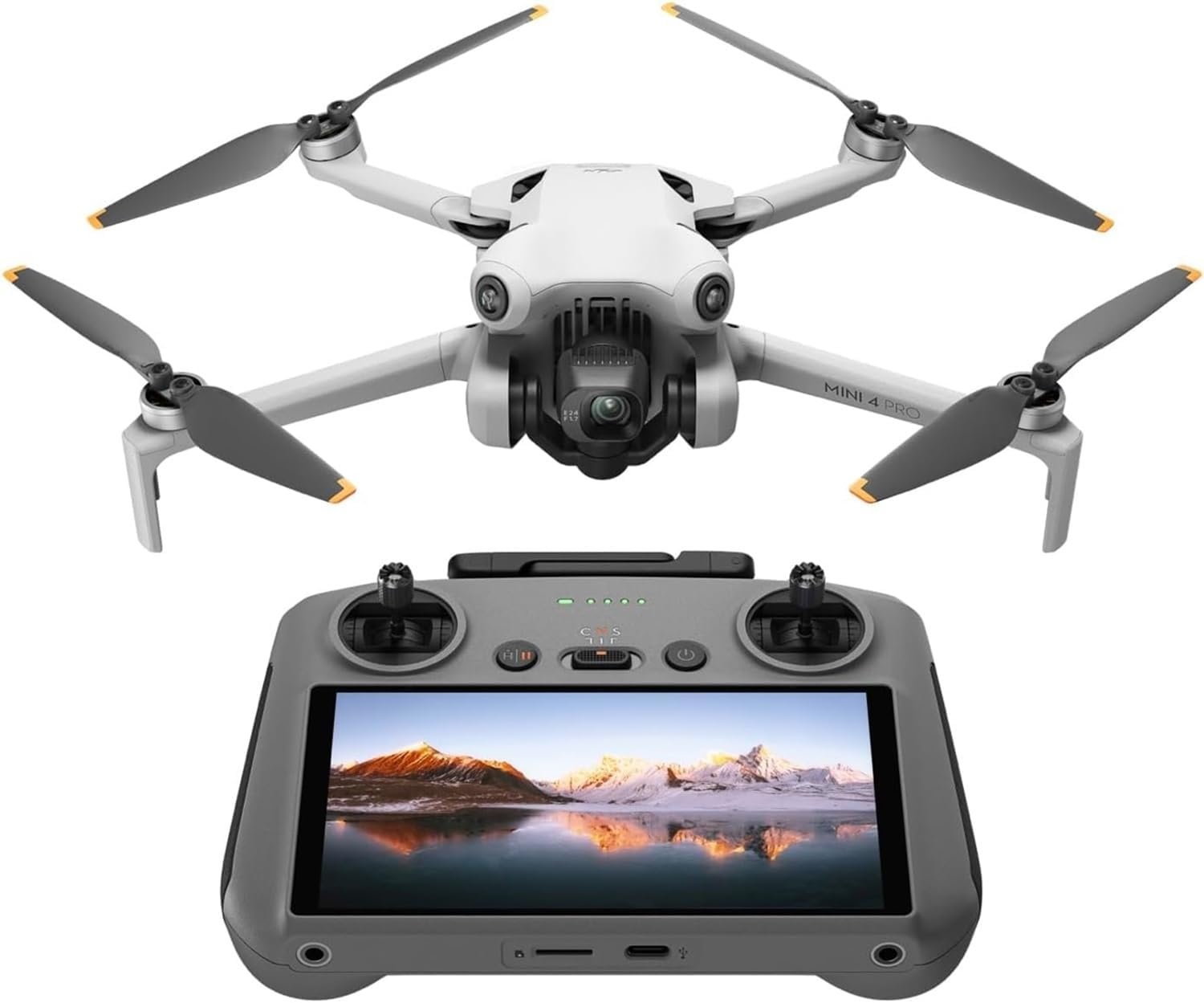
DJI Mini 4 Pro: La Mejor Cámara en un Drone Ultraligero
- Características técnicas de DJI Mini 4 Pro
- Diseño y experiencia de uso
- Calidad de cámara y vídeo
- Modos de grabación y funciones fotográficas
- Lo que más me gusta del DJI Mini 4 Pro
- ¿Para quién recomiendo el DJI Mini 4 Pro?
- Mi opinión sobre el DJI Mini 4 Pro
- Lo mejor para…
- Ventajas e inconvenientes de DJI Mini 4 Pro
- Video reseña y comparativa de DJI Mini 4 Pro
- Ideal si…
- Veredicto final
-
Autel EVO II Pro: La Mejor Alternativa a DJI para Fotografía y Vídeo
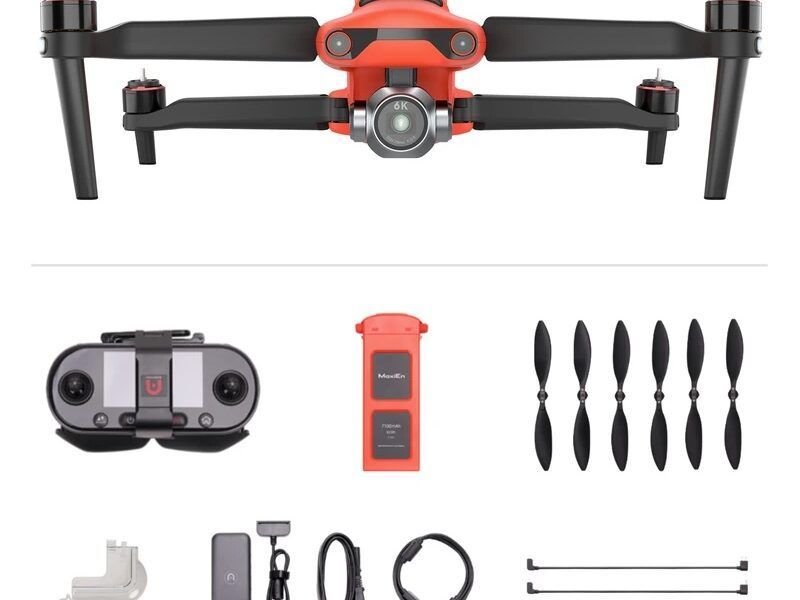
- Características técnicas de Autel EVO II Pro
- Diseño y experiencia de uso
- Calidad de cámara y vídeo
- Modos de grabación y funciones fotográficas
- Lo que más me gusta del Autel EVO II Pro
- ¿Para quién recomiendo el Autel EVO II Pro?
- Mi opinión sobre el Autel EVO II Pro
- Lo mejor para…
- Ventajas e inconvenientes de Autel EVO II Pro
- Video reseña y comparativa de Autel EVO II Pro
- Ideal si…
- Veredicto final
-
HoverAir X1: El Drone con Cámara Más Fácil para Crear Contenido
- Características técnicas de HoverAir X1
- Diseño y experiencia de uso
- Calidad de cámara y vídeo
- Modos de grabación y funciones inteligentes
- Lo que más me gusta del HoverAir X1
- ¿Para quién recomiendo el HoverAir X1?
- Mi opinión sobre el HoverAir X1
- Lo mejor para…
- Ventajas e inconvenientes de HoverAir X1
- Video reseña y comparativa de HoverAir X1
- Ideal si…
- Veredicto final
- Guía de compra: Cómo elegir un drone con cámara
- Errores habituales al comprar un drone con cámara
- Conclusión
- Sigue aprendiendo sobre drones
- Preguntas frecuentes sobre los mejores drones con cámara
Mejores Drones con Cámara
La calidad de las cámaras que incorporan los drones ha evolucionado de forma espectacular durante los últimos años.
Lo que antes estaba reservado únicamente a productoras cinematográficas o empresas especializadas, hoy está al alcance de fotógrafos, creadores de contenido, agencias inmobiliarias e incluso aficionados que buscan capturar imágenes desde una perspectiva completamente diferente.
Sin embargo, no todos los drones ofrecen el mismo rendimiento.
Algunos destacan por la calidad de sus fotografías.
Otros están pensados para grabar vídeos con un aspecto cinematográfico.
Y también existen modelos especializados en contenido para redes sociales, deportes o viajes.
Precisamente por eso, elegir el drone adecuado no consiste únicamente en fijarse en la resolución de la cámara.
Aspectos como el tamaño del sensor, la estabilización, los perfiles de color, el rango dinámico o la posibilidad de utilizar diferentes distancias focales pueden marcar una diferencia enorme en el resultado final.
En esta comparativa analizamos los mejores drones con cámara disponibles actualmente, explicando para qué tipo de usuario está recomendado cada modelo y qué ventajas ofrece frente a sus competidores.
Nuestro objetivo es ayudarte a encontrar el drone que mejor se adapte a tu forma de fotografiar o grabar.
🏆 Nuestra selección rápida
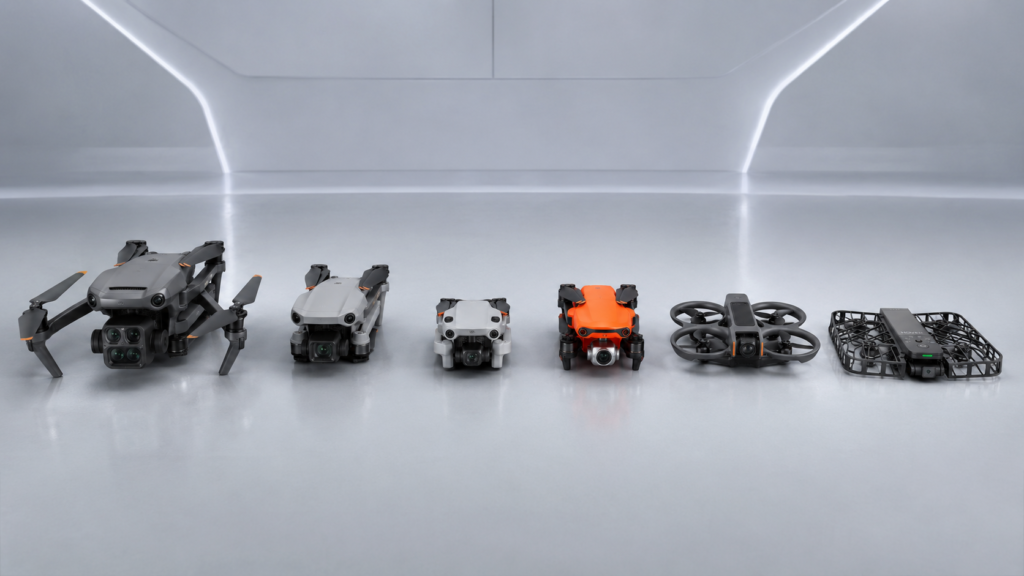
🥇 Mejor cámara del mercado → DJI Mavic 3 Pro
🎥 Mejor drone para vídeo profesional → DJI Inspire 3 (mención especial al final del artículo)
📷 Mejor calidad-precio → DJI Air 3
🧳 Mejor drone ligero con cámara → DJI Mini 4 Pro
🚀 Mejor para vídeos FPV → DJI Avata 2
💰 Mejor alternativa a DJI → Autel EVO II Pro
📱 Mejor para redes sociales → HoverAir X1
¿Cómo hemos seleccionado estos drones?
No todos los drones con cámara ofrecen la misma calidad de imagen.
Para elaborar esta comparativa hemos analizado aquellos modelos que realmente destacan por su rendimiento fotográfico y de vídeo, valorando aspectos que van mucho más allá del número de megapíxeles.
Los criterios utilizados han sido:
- Calidad fotográfica.
- Calidad de vídeo.
- Tamaño del sensor.
- Estabilización.
- Rango dinámico.
- Grabación HDR y perfiles profesionales.
- Versatilidad de la cámara.
- Relación calidad-precio.
- Facilidad de uso.
- Ecosistema del fabricante.
- Opiniones de fotógrafos y creadores de contenido.
De esta forma conseguimos una selección útil tanto para usuarios aficionados como para profesionales que buscan un equipo con el que trabajar.
Tabla comparativa de los mejores drones con cámara
| Drone | Cámara | Lo más destacado | Autonomía | Ver precio |
|---|---|---|---|---|
| DJI Mavic 3 Pro | Triple cámara Hasselblad | La mejor calidad fotográfica | 43 min | Ver Drone |
| DJI Air 3 | Doble cámara 48 MP | Equilibrio perfecto entre calidad y precio | 46 min | Ver Drone |
| DJI Mini 4 Pro | 4K HDR | La mejor cámara en un drone ultraligero | 34 min | Ver Drone |
| Autel EVO II Pro | Cámara 6K | Gran alternativa a DJI | 40 min | Ver Drone |
| DJI Avata 2 | Cámara 4K HDR | Vídeos FPV espectaculares | 23 min | Ver Drone |
| HoverAir X1 | Cámara 2.7K | El más sencillo para redes sociales | 11 min | Ver Drone |
DJI Mavic 3 Pro: El Drone con la Mejor Cámara del Mercado
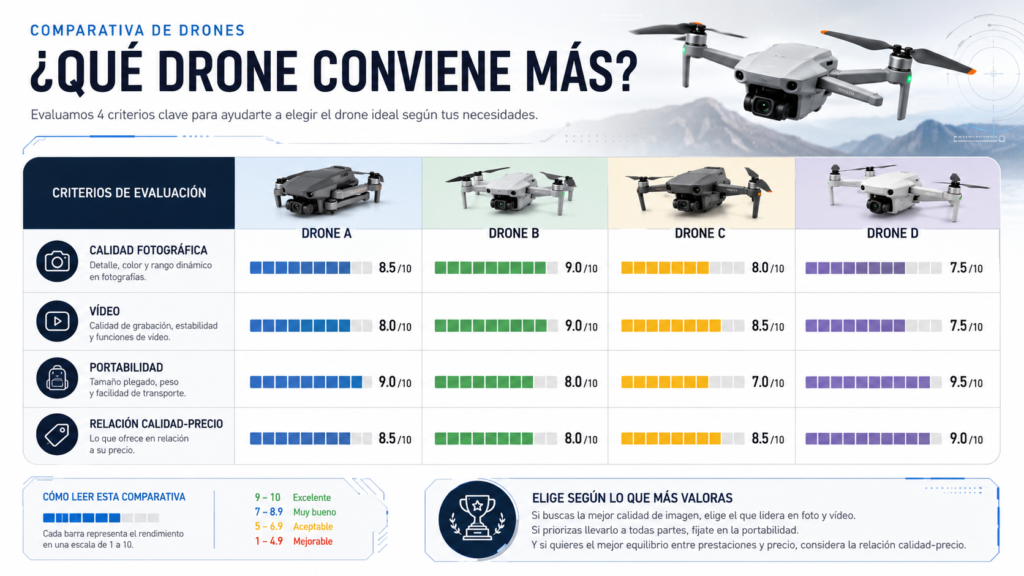
Cuando hablamos exclusivamente de calidad de imagen, existe un modelo que continúa marcando el listón dentro del sector de los drones de consumo: el DJI Mavic 3 Pro.
No es casualidad que fotógrafos profesionales, agencias de publicidad y productoras audiovisuales lo utilicen como herramienta principal para capturar imágenes aéreas.
Su sistema de triple cámara, desarrollado junto a Hasselblad, permite afrontar prácticamente cualquier situación fotográfica con una flexibilidad difícil de encontrar en otros drones.
Además de ofrecer un nivel de detalle extraordinario, proporciona una reproducción del color muy natural y un rango dinámico sobresaliente, dos aspectos fundamentales para quienes trabajan posteriormente en edición.
Si buscas el mejor drone con cámara, un equipo para fotografía aérea profesional o un modelo capaz de producir imágenes de máxima calidad tanto en fotografía como en vídeo, el Mavic 3 Pro continúa siendo una referencia.
Características técnicas de DJI Mavic 3 Pro
• Triple cámara Hasselblad
• Sensor CMOS 4/3
• Grabación hasta 5.1K
• Teleobjetivo medio y teleobjetivo largo
• Hasta 43 minutos de autonomía
• Detección de obstáculos omnidireccional
• ActiveTrack 5.0
Diseño y experiencia de uso
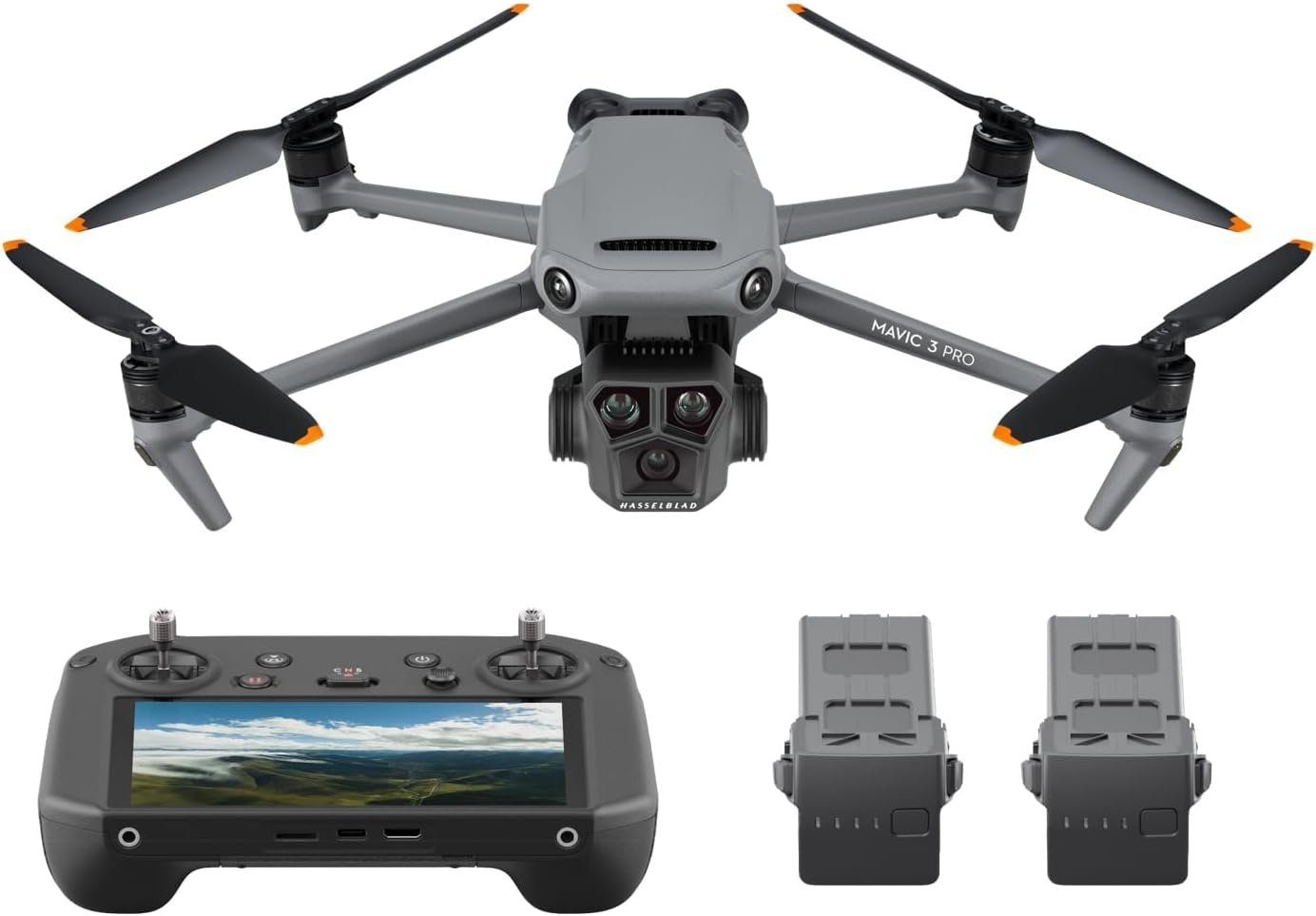
Aunque el protagonista de este drone es su cámara, DJI también ha cuidado el resto del conjunto.
Su diseño plegable facilita el transporte y mantiene unas dimensiones relativamente compactas para tratarse de un equipo orientado al ámbito profesional.
Durante el vuelo transmite una enorme sensación de estabilidad.
Los movimientos son suaves, muy precisos y permiten realizar desplazamientos lentos imprescindibles para fotografía de paisaje, arquitectura o grabaciones cinematográficas.
Esta estabilidad, unida a la calidad de su sistema óptico, convierte al Mavic 3 Pro en una herramienta extremadamente fiable para quienes necesitan obtener resultados profesionales en cualquier localización.
Calidad de cámara y vídeo
Si hay un apartado donde el DJI Mavic 3 Pro consigue marcar diferencias frente al resto de drones de esta comparativa, es precisamente en su sistema de cámaras.
Mientras la mayoría de modelos incorporan una única óptica, DJI apuesta aquí por una configuración formada por tres cámaras, encabezadas por una espectacular cámara Hasselblad con sensor CMOS 4/3, acompañada de dos teleobjetivos que multiplican las posibilidades creativas durante cualquier sesión de fotografía o vídeo.
Esta configuración permite trabajar con distintas distancias focales sin perder calidad, algo especialmente útil cuando no es posible acercar el drone al sujeto o cuando se busca una composición mucho más cinematográfica.
En fotografía, el resultado es simplemente espectacular.
Las imágenes presentan:
- Un nivel de detalle extraordinario.
- Excelente reproducción del color.
- Gran rango dinámico.
- Muy bajo nivel de ruido.
- Magnífica capacidad de edición posterior.
Precisamente el rango dinámico es uno de los aspectos donde más destaca este modelo.
Durante amaneceres, atardeceres o escenas con fuertes contrastes de iluminación, el Mavic 3 Pro conserva mucha más información tanto en las sombras como en las altas luces, permitiendo recuperar detalles durante la edición que otros drones simplemente pierden.
Si trabajas con Adobe Lightroom, Photoshop, DaVinci Resolve o Capture One, agradecerás enormemente ese margen adicional.
En vídeo ocurre exactamente lo mismo.
La posibilidad de grabar en 5.1K, junto con perfiles profesionales como D-Log M, convierte este drone en una herramienta perfectamente válida para:
- Producciones audiovisuales.
- Publicidad.
- Documentales.
- Turismo.
- Arquitectura.
- Marketing inmobiliario.
- Contenido para YouTube.
Después de analizar muchos drones durante los últimos años, sigo pensando que el Mavic 3 Pro continúa siendo el referente cuando alguien busca el drone con la mejor cámara del mercado.
Modos de grabación y funciones fotográficas
Más allá de la calidad del sensor, DJI incorpora un conjunto de funciones orientadas a facilitar el trabajo de fotógrafos y videógrafos.
Entre ellas destacan:
- ActiveTrack 5.0.
- MasterShots.
- Hyperlapse.
- Waypoint Flight.
- FocusTrack.
- Cruise Control.
- QuickTransfer.
- Grabación vertical mediante recorte inteligente.
- D-Log M.
- HLG.
Estas funciones permiten automatizar determinados movimientos de cámara y ahorrar mucho tiempo durante una sesión de grabación.
Especialmente interesante resulta la posibilidad de combinar los distintos objetivos con ActiveTrack.
Gracias a ello es posible seguir vehículos, personas o embarcaciones utilizando diferentes perspectivas sin comprometer la calidad de imagen.
Otro aspecto que merece una valoración muy positiva es la velocidad de enfoque y el comportamiento general de la cámara.
Incluso durante movimientos relativamente rápidos mantiene una gran nitidez y una excelente estabilidad.
Lo que más me gusta del DJI Mavic 3 Pro
📸 Lo que más me gusta del DJI Mavic 3 Pro es que consigue reunir prácticamente todo lo que un fotógrafo o videógrafo profesional puede necesitar en un único equipo.
No hablamos únicamente de resolución.
Lo realmente importante es la enorme flexibilidad creativa que ofrece su sistema de triple cámara.
Poder cambiar entre distintas distancias focales durante el vuelo abre posibilidades narrativas muy difíciles de conseguir con otros drones.
Es uno de esos equipos que no solo mejora la calidad técnica de las imágenes.
También mejora la forma de contar historias.
¿Para quién recomiendo el DJI Mavic 3 Pro?
Considero que este drone resulta ideal para:
✅ Fotógrafos profesionales.
✅ Productoras audiovisuales.
✅ Arquitectura.
✅ Turismo.
✅ Publicidad.
✅ Documentales.
✅ Creadores de contenido premium.
Si tu trabajo depende directamente de la calidad de imagen, difícilmente encontrarás un modelo más completo antes de dar el salto al Inspire 3.
Mi opinión sobre el DJI Mavic 3 Pro
Después de analizar sus prestaciones y compararlo con prácticamente todos los drones profesionales disponibles actualmente, sigo considerando que el DJI Mavic 3 Pro representa uno de los mayores referentes en fotografía aérea.
No es el drone más económico.
Tampoco el más pequeño.
Pero cuando el cliente espera la máxima calidad posible, pocas herramientas ofrecen un resultado tan consistente.
La combinación de su sensor Hasselblad, las tres cámaras y las funciones inteligentes hacen que siga siendo una inversión plenamente justificada para cualquier profesional de la imagen.
Lo mejor para…
| Apartado | Valoración |
|---|---|
| 📸 Fotografía | ⭐⭐⭐⭐⭐ |
| 🎥 Vídeo | ⭐⭐⭐⭐⭐ |
| 🌅 Paisajes | ⭐⭐⭐⭐⭐ |
| 🌙 Baja luz | ⭐⭐⭐⭐⭐ |
| 🧳 Portabilidad | ⭐⭐⭐☆☆ |
| 💰 Calidad-precio | ⭐⭐⭐⭐☆ |
Ventajas e inconvenientes de DJI Mavic 3 Pro
- La mejor calidad fotográfica del mercado.
- Triple cámara extremadamente versátil.
- Excelente rango dinámico.
- Grabación en 5.1K.
- Muy buen rendimiento en edición profesional.
- Gran autonomía.
- Ideal para fotografía y publicidad.
- Precio elevado.
- Mayor tamaño que la gama Mini.
- Requiere cierta experiencia para aprovechar todo su potencial.
- No es la mejor opción para usuarios ocasionales.
Video reseña y comparativa de DJI Mavic 3 Pro
Ideal si…
✔️ Buscas la mejor cámara en un drone.
✔️ Trabajas realizando fotografía aérea profesional.
✔️ Editas fotografías en RAW y vídeo con perfiles Log.
✔️ Necesitas distintas distancias focales para publicidad o documentales.
✔️ Prefieres invertir una vez en un equipo preparado para muchos años.
Veredicto final
Si tu prioridad absoluta es la calidad de imagen, el DJI Mavic 3 Pro continúa ocupando el primer puesto.
Su sistema de triple cámara, la calidad del sensor Hasselblad y la enorme flexibilidad que ofrece durante el vuelo hacen que siga siendo la referencia para fotógrafos y videógrafos profesionales.
DJI Air 3: El Mejor Equilibrio entre Cámara, Precio y Prestaciones
No todos los usuarios necesitan la complejidad ni el precio del Mavic 3 Pro.
Para muchos fotógrafos, creadores de contenido y empresas, existe un modelo que consigue un equilibrio casi perfecto entre calidad de imagen, autonomía, facilidad de uso y coste.
Ese modelo es el DJI Air 3.
DJI ha conseguido que este drone ofrezca una calidad fotográfica y de vídeo sorprendentemente cercana a modelos bastante más caros, manteniendo un formato compacto y un precio mucho más contenido.
Precisamente por eso se ha convertido en una de las recomendaciones más habituales cuando alguien busca un drone con cámara de alta calidad, un drone para grabar vídeos profesionales o un equipo capaz de cubrir prácticamente cualquier tipo de proyecto sin disparar el presupuesto.
Características técnicas del DJI Air 3
• Doble cámara de 48 MP
• Gran angular + teleobjetivo medio
• Grabación 4K hasta 100 fps
• D-Log M y HLG
• Hasta 46 minutos de autonomía
• ActiveTrack 360°
• Detección de obstáculos omnidireccional
Diseño y experiencia de uso
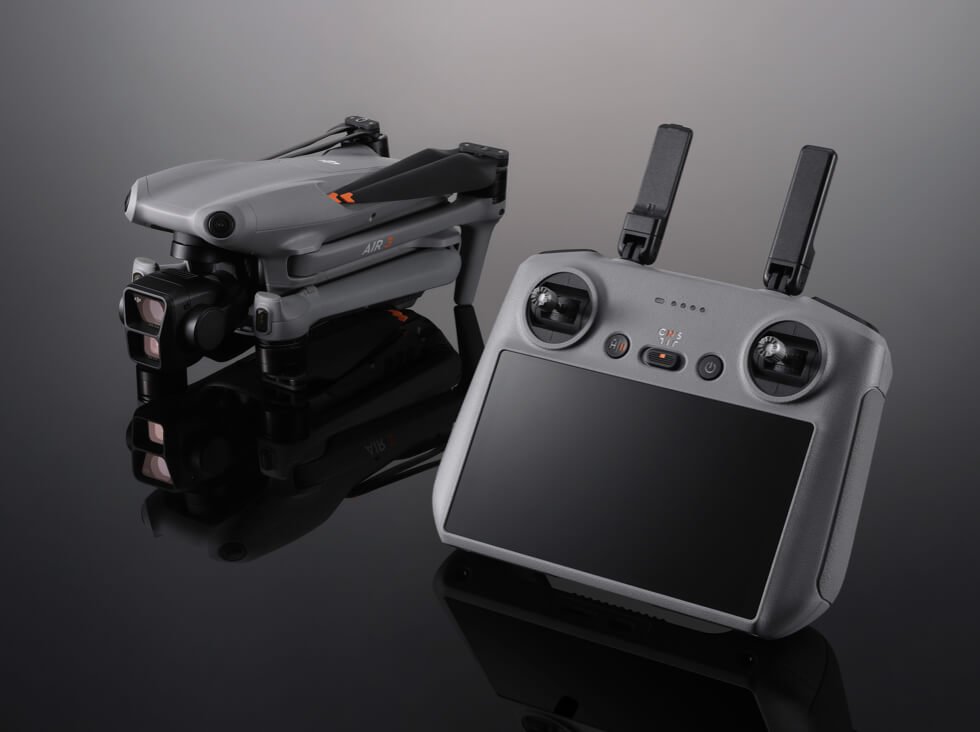
Desde el primer momento transmite una sensación muy profesional.
Su diseño plegable facilita el transporte y ofrece una calidad de construcción excelente.
Aunque resulta ligeramente más grande que un Mini 4 Pro, continúa siendo un drone muy cómodo para viajar y desplazarse entre diferentes localizaciones.
Durante el vuelo destaca especialmente por su estabilidad.
Incluso con viento moderado mantiene la posición con enorme precisión, permitiendo al piloto concentrarse completamente en la composición de la fotografía o del vídeo.
Además, el nuevo sistema de transmisión DJI O4 ofrece una conexión extremadamente estable y una experiencia de vuelo muy fiable incluso en escenarios complejos.
Calidad de cámara y vídeo
Si tuviera que resumir el DJI Air 3 en una sola frase, diría que ofrece una calidad de imagen sorprendentemente cercana a drones de gama superior por un precio mucho más contenido.
Y eso es precisamente lo que lo convierte en una de las mejores compras del mercado.
Su sistema de doble cámara, formado por un objetivo gran angular y un teleobjetivo medio, ambos de 48 megapíxeles, aporta una versatilidad muy superior a la mayoría de drones de su rango de precio.
En fotografía consigue imágenes muy detalladas, con colores naturales y un excelente equilibrio entre luces y sombras.
Aunque el sensor no alcanza el tamaño del Hasselblad del Mavic 3 Pro, el resultado final satisface perfectamente las necesidades de la mayoría de fotógrafos, agencias inmobiliarias, empresas turísticas y creadores de contenido.
Donde realmente sorprende es en vídeo.
Puede grabar en 4K hasta 100 fps, lo que permite generar cámaras lentas muy fluidas sin perder calidad.
Además, incorpora perfiles de color D-Log M y HLG, facilitando la corrección de color durante la edición y ofreciendo un acabado mucho más cinematográfico.
Esta combinación hace que el Air 3 resulte perfecto para:
- Fotografía aérea.
- Vídeos corporativos.
- Publicidad.
- Turismo.
- Redes sociales.
- YouTube.
- Marketing inmobiliario.
- Eventos.
Uno de los aspectos que más valoro es la posibilidad de alternar rápidamente entre ambas cámaras durante el vuelo.
El teleobjetivo aporta una narrativa completamente diferente y permite crear planos imposibles con un único objetivo.
Esa versatilidad marca una diferencia enorme frente a otros drones de precio similar.
Modos de grabación y funciones fotográficas
DJI continúa liderando el mercado también en el apartado del software.
El Air 3 incorpora prácticamente todas las funciones inteligentes que un creador de contenido puede necesitar.
Entre ellas destacan:
- ActiveTrack 360°.
- FocusTrack.
- MasterShots.
- Hyperlapse.
- Waypoint Flight.
- QuickShots.
- Cruise Control.
- D-Log M.
- HLG.
- QuickTransfer.
Estas funciones permiten automatizar movimientos complejos de cámara y obtener resultados muy profesionales sin necesidad de ser un piloto experto.
Especialmente útil resulta ActiveTrack 360°, capaz de seguir automáticamente personas, vehículos o embarcaciones mientras el piloto se concentra exclusivamente en el encuadre.
Otro punto muy positivo es la excelente estabilización.
Incluso durante vuelos con viento moderado consigue mantener imágenes extremadamente fluidas.
Lo que más me gusta del DJI Air 3
📷 Lo que más me gusta del DJI Air 3 es que consigue acercarse muchísimo a la calidad de imagen del Mavic 3 Pro costando bastante menos.
No intenta competir directamente con él.
Simplemente ofrece exactamente lo que necesita la mayoría de profesionales.
Y eso lo convierte, probablemente, en el drone con mejor equilibrio del mercado.
¿Para quién recomiendo el DJI Air 3?
Lo recomendaría especialmente para:
✅ Fotógrafos.
✅ Creadores de contenido.
✅ Agencias inmobiliarias.
✅ Empresas de turismo.
✅ Publicidad.
✅ Eventos.
✅ Profesionales que quieren un único drone para fotografía y vídeo.
Si tuviera que recomendar un único drone para la mayoría de usuarios, probablemente sería este.
Mi opinión sobre el DJI Air 3
Creo que DJI ha acertado completamente con este modelo.
Mientras otros fabricantes intentan aumentar únicamente la resolución de la cámara, DJI ha apostado por mejorar la experiencia completa.
El resultado es un drone extremadamente equilibrado.
No será el mejor en todos los apartados.
Pero está muy cerca de serlo en casi todos.
Y precisamente eso hace que sea una compra tan recomendable.
Su doble cámara aporta una flexibilidad enorme, la autonomía es excelente y la calidad de imagen satisface sobradamente las necesidades de la inmensa mayoría de profesionales.
Lo mejor para…
| Apartado | Valoración |
|---|---|
| 📸 Fotografía | ⭐⭐⭐⭐☆ |
| 🎥 Vídeo | ⭐⭐⭐⭐⭐ |
| 🌅 Paisajes | ⭐⭐⭐⭐⭐ |
| 🌙 Baja luz | ⭐⭐⭐⭐☆ |
| 🧳 Portabilidad | ⭐⭐⭐⭐☆ |
| 💰 Calidad-precio | ⭐⭐⭐⭐⭐ |
Ventajas e inconvenientes de DJI Air 3
- Doble cámara muy versátil.
- Excelente calidad de fotografía y vídeo.
- Hasta 46 minutos de autonomía.
- Grabación en 4K a 100 fps.
- Muy buena estabilización.
- Sensores de obstáculos omnidireccionales.
- Magnífica relación calidad-precio.
- No alcanza el nivel fotográfico del Mavic 3 Pro.
- Mayor tamaño que la gama Mini.
- Precio superior al Mini 4 Pro.
- No incorpora sensor Four Thirds.
Video reseña y comparativa de DJI Air 3
Ideal si…
✔️ Buscas un drone con cámara profesional sin llegar al precio del Mavic 3 Pro.
✔️ Grabas contenido para YouTube o redes sociales.
✔️ Necesitas un equipo muy equilibrado para fotografía y vídeo.
✔️ Quieres una autonomía superior a la media.
✔️ Buscas una inversión preparada para muchos años.
Veredicto final
El DJI Air 3 representa probablemente el mejor equilibrio entre calidad de imagen, prestaciones y precio que existe actualmente.
Por ello ocupa el segundo puesto de esta comparativa y sigue siendo una de las compras más inteligentes para cualquier fotógrafo o creador de contenido.
DJI Mini 4 Pro: La Mejor Cámara en un Drone Ultraligero
Hasta hace muy poco parecía imposible que un drone de menos de 249 gramos pudiera competir con modelos considerablemente más grandes.
Sin embargo, el DJI Mini 4 Pro ha cambiado completamente esa percepción.
A pesar de su reducido tamaño, incorpora una cámara capaz de producir fotografías y vídeos con una calidad sorprendente, hasta el punto de convertirse en una de las opciones favoritas para fotógrafos de viajes, creadores de contenido y profesionales que necesitan un equipo ligero sin renunciar a un resultado de alto nivel.
Su principal ventaja no es únicamente la calidad de imagen.
Es la combinación entre portabilidad, facilidad de uso y rendimiento fotográfico.
Por eso aparece constantemente entre las recomendaciones cuando alguien busca un drone ligero con buena cámara, un drone para viajar o un drone con cámara 4K.
Características técnicas de DJI Mini 4 Pro
• Cámara de 48 MP
• Grabación 4K HDR
• Peso inferior a 249 g
• Grabación vertical nativa
• ActiveTrack 360°
• Hasta 34 minutos de autonomía
• Detección de obstáculos omnidireccional
Diseño y experiencia de uso
El gran atractivo del Mini 4 Pro comienza incluso antes de despegar.
Su tamaño permite transportarlo prácticamente en cualquier mochila o incluso en bolsos de pequeño tamaño, algo especialmente interesante para viajeros y creadores de contenido que se desplazan continuamente.
Durante el vuelo transmite una estabilidad sorprendente.
Los sensores de obstáculos, la precisión del GPS y el sistema de estabilización consiguen que pilotarlo resulte muy sencillo incluso para usuarios con poca experiencia.
Precisamente esa facilidad de uso ha convertido al Mini 4 Pro en uno de los drones más recomendados para quienes desean obtener imágenes profesionales sin cargar con un equipo voluminoso.
Calidad de cámara y vídeo
La mayor sorpresa del DJI Mini 4 Pro aparece en cuanto comienzas a revisar las fotografías y los vídeos capturados.
Resulta difícil creer que un drone tan pequeño sea capaz de producir un nivel de calidad tan alto.
Su cámara incorpora un sensor de 48 megapíxeles con capacidad para grabar vídeo en 4K HDR, ofreciendo imágenes muy nítidas, colores naturales y un rango dinámico excelente para tratarse de un drone de este tamaño.
En fotografía consigue resultados muy superiores a lo que cabría esperar en un equipo de menos de 249 gramos.
Las imágenes presentan un gran nivel de detalle y mantienen una buena calidad incluso cuando posteriormente se editan en programas como Lightroom o Photoshop.
Para muchos fotógrafos de viajes, inmobiliarias o creadores de contenido, este nivel de calidad resulta más que suficiente para trabajos comerciales.
En vídeo ocurre algo muy parecido.
El Mini 4 Pro permite grabar secuencias extremadamente fluidas gracias a su estabilizador mecánico de tres ejes y a la posibilidad de utilizar perfiles HDR que mejoran notablemente el aspecto final del material grabado.
Además, uno de los grandes aciertos de DJI ha sido incorporar la grabación vertical nativa.
Esta función evita recortes posteriores y permite generar contenido optimizado para Instagram Reels, TikTok o YouTube Shorts con una calidad muy superior a la obtenida mediante simples recortes digitales.
Si buscas un drone con cámara para viajar, un drone para crear contenido en redes sociales o un modelo ligero capaz de realizar fotografías profesionales, el Mini 4 Pro continúa siendo una de las mejores opciones disponibles.
Modos de grabación y funciones fotográficas
DJI ha conseguido incorporar prácticamente todas las funciones presentes en drones mucho más caros.
Entre las más interesantes destacan:
- ActiveTrack 360°.
- MasterShots.
- Hyperlapse.
- QuickShots.
- Cruise Control.
- Grabación vertical nativa.
- D-Log M.
- HLG.
- FocusTrack.
- Return To Home inteligente.
Todas estas funciones facilitan enormemente la creación de contenido y permiten obtener planos muy profesionales sin necesidad de ser un piloto experto.
Especialmente útil resulta ActiveTrack para seguir personas o vehículos mientras el piloto se concentra únicamente en el encuadre.
También merece una mención especial la estabilización del vídeo.
Incluso caminando o realizando movimientos relativamente rápidos, el resultado continúa siendo muy fluido y agradable.
Lo que más me gusta del DJI Mini 4 Pro
🧳 Lo que más me gusta del DJI Mini 4 Pro es que consigue ofrecer una calidad de imagen sorprendente dentro de un drone que prácticamente cabe en cualquier mochila.
Poder viajar con un equipo tan ligero sin renunciar a fotografías y vídeos de nivel profesional cambia completamente la experiencia para cualquier creador de contenido.
Es uno de esos productos que terminas llevando siempre contigo porque sabes que nunca supone una molestia.
¿Para quién recomiendo el DJI Mini 4 Pro?
Este drone resulta perfecto para:
✅ Fotógrafos de viajes.
✅ Creadores de contenido.
✅ YouTubers.
✅ Instagram y TikTok.
✅ Empresas inmobiliarias.
✅ Profesionales que necesitan un drone muy portátil.
✅ Usuarios que vuelan con frecuencia durante sus desplazamientos.
Si la portabilidad es uno de tus criterios principales, difícilmente encontrarás una alternativa más equilibrada.
Mi opinión sobre el DJI Mini 4 Pro
El Mini 4 Pro demuestra que el tamaño ya no determina la calidad de una cámara.
DJI ha conseguido desarrollar un drone extremadamente ligero capaz de competir con modelos considerablemente más grandes.
Evidentemente, no alcanza el nivel del Mavic 3 Pro cuando hablamos de fotografía profesional extrema.
Pero para la inmensa mayoría de usuarios ofrece un rendimiento espectacular.
Creo que es uno de esos productos que cuesta recomendar poco.
Su facilidad de transporte, la calidad de imagen y las funciones inteligentes hacen que sea una compra muy difícil de superar dentro de su categoría.
Lo mejor para…
| Apartado | Valoración |
|---|---|
| 📸 Fotografía | ⭐⭐⭐⭐☆ |
| 🎥 Vídeo | ⭐⭐⭐⭐☆ |
| 🌅 Paisajes | ⭐⭐⭐⭐⭐ |
| 🌙 Baja luz | ⭐⭐⭐⭐☆ |
| 🧳 Portabilidad | ⭐⭐⭐⭐⭐ |
| 💰 Calidad-precio | ⭐⭐⭐⭐⭐ |
Ventajas e inconvenientes de DJI Mini 4 Pro
- Excelente calidad fotográfica para su tamaño.
- Vídeo 4K HDR de gran calidad.
- Peso inferior a 249 gramos.
- Muy fácil de transportar.
- Grabación vertical nativa.
- Sensores de obstáculos omnidireccionales.
- Ideal para viajar.
- No dispone de doble cámara como el Air 3.
- Su sensor es más pequeño que el del Mavic 3 Pro.
- Menor rendimiento en trabajos cinematográficos muy exigentes.
- El precio puede resultar elevado frente a drones de iniciación.
Video reseña y comparativa de DJI Mini 4 Pro
Ideal si…
✔️ Viajas constantemente.
✔️ Quieres un drone ligero sin renunciar a una gran cámara.
✔️ Creas contenido para Instagram, TikTok o YouTube.
✔️ Buscas la mejor relación entre portabilidad y calidad de imagen.
✔️ Necesitas un drone fácil de transportar para trabajos frecuentes.
Veredicto final
El DJI Mini 4 Pro demuestra que un drone ultraligero puede ofrecer resultados profesionales.
Su combinación de calidad de imagen, facilidad de transporte y funciones inteligentes hacen que siga siendo una de las mejores opciones para fotógrafos de viajes y creadores de contenido.
Autel EVO II Pro: La Mejor Alternativa a DJI para Fotografía y Vídeo
Aunque DJI domina claramente el mercado, existen fabricantes que han desarrollado productos realmente competitivos.
El Autel EVO II Pro es probablemente el mejor ejemplo.
Gracias a su sensor de gran tamaño, la grabación en 6K y una excelente autonomía, se ha convertido en la principal alternativa para quienes buscan un drone con cámara profesional sin depender del ecosistema DJI.
Además, durante los últimos años Autel ha mejorado notablemente su software y la experiencia de usuario, reduciendo muchas de las diferencias que históricamente existían respecto a DJI.
Características técnicas de Autel EVO II Pro
• Sensor de 1 pulgada
• Grabación en 6K
• Fotografía de 20 MP
• Hasta 40 minutos de autonomía
• Detección de obstáculos en 360°
• Modos inteligentes de vuelo
Diseño y experiencia de uso
El Autel EVO II Pro transmite una sensación muy robusta desde el primer momento.
Su estructura plegable facilita el transporte y ofrece un nivel de construcción propio de un drone claramente orientado al uso profesional.
Durante el vuelo mantiene una gran estabilidad gracias al posicionamiento GPS y al sistema de detección de obstáculos.
Además, los controles responden de forma muy precisa, permitiendo realizar movimientos suaves ideales para fotografía aérea y producción audiovisual.
Su aplicación también ha evolucionado considerablemente y actualmente ofrece una experiencia mucho más madura que en generaciones anteriores.
Calidad de cámara y vídeo
El principal atractivo del Autel EVO II Pro se encuentra en su cámara.
Autel ha equipado este modelo con un sensor de 1 pulgada, una característica que sigue marcando diferencias frente a muchos drones de gama media. Gracias a este sensor de mayor tamaño, el drone es capaz de captar más luz, ofreciendo imágenes con mayor detalle, mejor rango dinámico y un comportamiento más sólido en escenas complicadas.
Uno de sus puntos fuertes es la posibilidad de grabar vídeo en 6K, una resolución que proporciona un margen muy amplio durante la edición, permitiendo realizar recortes o estabilizaciones sin perder demasiada calidad en el resultado final.
En fotografía también ofrece un rendimiento sobresaliente.
Las imágenes presentan colores naturales, una buena nitidez y un comportamiento muy equilibrado tanto en paisajes como en arquitectura o fotografía inmobiliaria.
Aunque el ecosistema de DJI continúa estando un paso por delante en cuanto a software, la calidad de imagen del EVO II Pro sigue siendo uno de sus principales argumentos de compra.
Es un drone especialmente recomendable para:
- Fotografía aérea.
- Arquitectura.
- Inspecciones técnicas.
- Marketing inmobiliario.
- Producción audiovisual.
- Empresas de ingeniería.
- Turismo.
Además, el comportamiento en condiciones de poca luz resulta bastante competitivo gracias al tamaño del sensor, ofreciendo un nivel de ruido contenido cuando se trabaja durante el amanecer o el atardecer.
Modos de grabación y funciones fotográficas
El Autel EVO II Pro incorpora suficientes funciones inteligentes para facilitar enormemente el trabajo durante una sesión fotográfica o una grabación profesional.
Entre las más destacadas encontramos:
- Dynamic Track.
- Orbit Mode.
- Waypoint Mission.
- Return To Home.
- Modos automáticos de fotografía.
- Detección de obstáculos en 360°.
- Grabación en 6K.
- Fotografía RAW.
No alcanza el nivel de automatización del ecosistema DJI, pero sí ofrece todas las herramientas necesarias para la mayoría de profesionales.
Especialmente interesante resulta la planificación de rutas mediante Waypoints, muy útil para repetir exactamente el mismo recorrido en diferentes momentos.
Lo que más me gusta del Autel EVO II Pro
📸 Lo que más me gusta del Autel EVO II Pro es que demuestra que existen alternativas realmente serias fuera de DJI.
Su calidad de imagen está a un nivel muy alto y el sensor de una pulgada continúa ofreciendo unos resultados excelentes tanto en fotografía como en vídeo.
Es una opción muy interesante para quienes buscan diversificar su equipo o prefieren trabajar fuera del ecosistema DJI.
¿Para quién recomiendo el Autel EVO II Pro?
Este modelo resulta ideal para:
✅ Fotógrafos profesionales.
✅ Arquitectura.
✅ Ingeniería.
✅ Topografía.
✅ Empresas de inspección.
✅ Marketing inmobiliario.
✅ Usuarios que buscan una alternativa a DJI.
Mi opinión sobre el Autel EVO II Pro
El EVO II Pro sigue siendo uno de los drones más interesantes fuera del catálogo de DJI.
No lidera el mercado en número de ventas, pero eso no significa que sea inferior.
Al contrario.
Su calidad de imagen continúa siendo excelente y ofrece una experiencia de vuelo muy sólida.
Si por cualquier motivo prefieres no depender del ecosistema DJI, considero que es la alternativa más recomendable que puedes encontrar actualmente.
Lo mejor para…
| Apartado | Valoración |
|---|---|
| 📸 Fotografía | ⭐⭐⭐⭐☆ |
| 🎥 Vídeo | ⭐⭐⭐⭐☆ |
| 🌅 Paisajes | ⭐⭐⭐⭐☆ |
| 🌙 Baja luz | ⭐⭐⭐⭐☆ |
| 🧳 Portabilidad | ⭐⭐⭐☆☆ |
| 💰 Calidad-precio | ⭐⭐⭐⭐☆ |
Ventajas e inconvenientes de Autel EVO II Pro
- Excelente sensor de 1 pulgada.
- Grabación en resolución 6K.
- Muy buena autonomía.
- Gran calidad fotográfica.
- Detección de obstáculos en 360°.
- Magnífica alternativa a DJI.
- Software menos pulido que DJI Fly.
- Menor disponibilidad de accesorios.
- Comunidad de usuarios más reducida.
- Precio elevado.
Video reseña y comparativa de Autel EVO II Pro
Ideal si…
✔️ Buscas un drone con cámara profesional fuera del ecosistema DJI.
✔️ Realizas fotografía aérea o inspecciones técnicas.
✔️ Necesitas grabar en 6K.
✔️ Valoras un sensor grande para mejorar la calidad de imagen.
Veredicto final
El Autel EVO II Pro demuestra que DJI no es la única opción para obtener fotografías y vídeos profesionales desde el aire.
Su excelente sensor, la grabación en 6K y una autonomía muy competitiva hacen que siga siendo una compra muy recomendable para quienes buscan alternativas de alto nivel.
HoverAir X1: El Drone con Cámara Más Fácil para Crear Contenido
No todos los usuarios buscan un drone complejo ni necesitan aprender a pilotar.
En los últimos años ha aparecido una nueva categoría de drones pensados para crear contenido de forma prácticamente automática.
El mejor ejemplo es el HoverAir X1.
Este pequeño drone incorpora una filosofía completamente distinta.
En lugar de utilizar un mando tradicional, basta con pulsar un botón para que comience a seguir al usuario, grabar diferentes planos automáticos o realizar secuencias pensadas para redes sociales.
Precisamente por eso se ha convertido en uno de los modelos más populares entre viajeros, deportistas, creadores de contenido y usuarios que buscan un drone con cámara fácil de usar.
Características técnicas de HoverAir X1
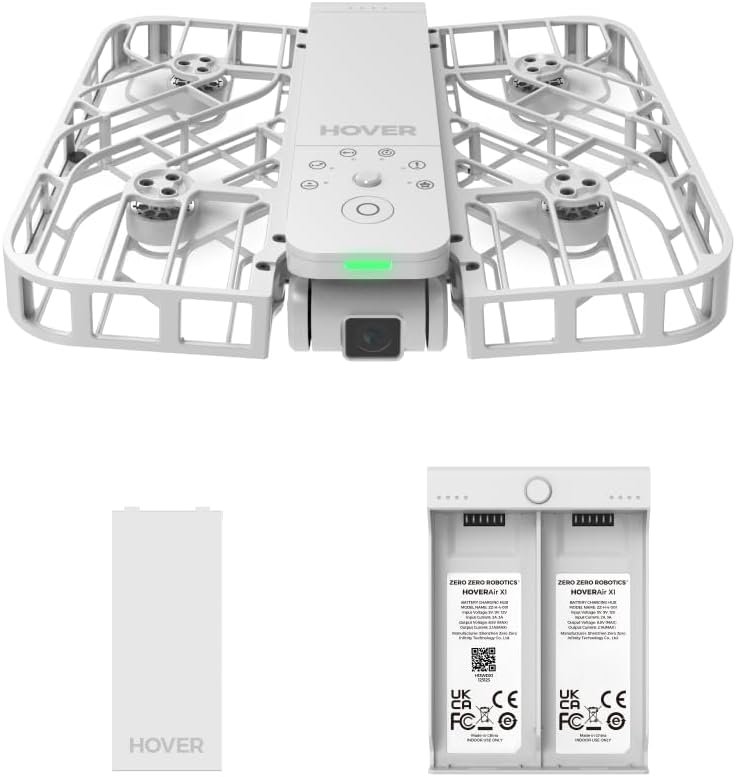
• Cámara 2.7K estabilizada
• Peso aproximado de 125 g
• Modos automáticos de seguimiento
• Protector integral de hélices
• Despegue desde la mano
• Control mediante aplicación móvil
• Muy compacto
Diseño y experiencia de uso
El HoverAir X1 rompe completamente con el concepto tradicional de drone.
Su reducido tamaño y los protectores integrales de las hélices permiten utilizarlo con mucha tranquilidad incluso cerca de personas.
Uno de sus aspectos más interesantes es que puede despegar directamente desde la palma de la mano y comenzar automáticamente a seguir al usuario sin necesidad de utilizar un mando convencional.
Esto hace que cualquier persona pueda obtener vídeos espectaculares desde el primer día.
Para viajes, senderismo, ciclismo o creación de contenido rápido resulta extremadamente cómodo.
Calidad de cámara y vídeo
Aunque no pretende competir con el DJI Air 3 o el Mavic 3 Pro, el HoverAir X1 ofrece una calidad sorprendente teniendo en cuenta su tamaño.
Su cámara permite grabar vídeo en 2.7K, ofreciendo imágenes muy fluidas y suficientemente nítidas para:
- Instagram.
- TikTok.
- YouTube Shorts.
- Reels.
- Viajes.
- Senderismo.
- Running.
- Ciclismo.
Donde realmente destaca no es en la resolución.
Es en la facilidad con la que consigue crear contenido atractivo.
Mientras otros drones requieren preparación y pilotaje, el HoverAir X1 prácticamente hace todo el trabajo por el usuario.
Modos de grabación y funciones inteligentes
El HoverAir X1 no pretende competir mediante especificaciones técnicas.
Su verdadera fortaleza reside en la experiencia de uso.
Mientras la mayoría de drones requieren aprender a pilotar, configurar la cámara y planificar el vuelo, este modelo está pensado para que cualquier usuario pueda obtener buenos resultados con solo pulsar un botón.
Entre sus modos automáticos encontramos:
- Seguimiento inteligente.
- Orbit.
- Zoom Out.
- Bird’s Eye.
- Dolly Track.
- Hover.
- Despegue y aterrizaje desde la mano.
Todos estos modos han sido diseñados para crear vídeos dinámicos de forma completamente automática.
Gracias a ellos es posible grabar rutas de senderismo, carreras, paseos en bicicleta, viajes o contenido para redes sociales sin necesidad de controlar manualmente el drone.
Es probablemente uno de los drones más sencillos que existen actualmente.
Lo que más me gusta del HoverAir X1
📱 Lo que más me gusta del HoverAir X1 es que elimina por completo la barrera de entrada al mundo de los drones.
No hace falta aprender a pilotar.
No necesitas experiencia.
Ni siquiera tienes que sacar un mando.
Simplemente eliges el modo de grabación y el propio drone hace prácticamente todo el trabajo.
Eso lo convierte en un producto tremendamente atractivo para viajeros, deportistas y creadores de contenido que quieren centrarse en disfrutar mientras obtienen vídeos espectaculares.
¿Para quién recomiendo el HoverAir X1?
Lo recomendaría especialmente para:
✅ Viajeros.
✅ Creadores de contenido.
✅ Instagram.
✅ TikTok.
✅ Senderismo.
✅ Running.
✅ Ciclismo.
✅ Usuarios que nunca han pilotado un drone.
No lo recomendaría para fotografía profesional ni para trabajos comerciales exigentes.
Su filosofía es completamente diferente.
Mi opinión sobre el HoverAir X1
El HoverAir X1 no intenta competir con el DJI Mini 4 Pro ni con el Air 3.
Y creo que esa es precisamente una de sus mayores virtudes.
Ha creado una categoría completamente distinta.
Es un drone pensado para disfrutar.
Para grabar recuerdos.
Para crear contenido de forma rápida.
Para viajar sin complicaciones.
Si buscas la máxima calidad fotográfica, existen opciones mejores.
Pero si buscas el drone más sencillo para crear contenido diario, pocas alternativas resultan tan divertidas y fáciles de utilizar.
Lo mejor para…
| Apartado | Valoración |
|---|---|
| 📸 Fotografía | ⭐⭐⭐☆☆ |
| 🎥 Vídeo | ⭐⭐⭐⭐☆ |
| 🌅 Paisajes | ⭐⭐⭐☆☆ |
| 🌙 Baja luz | ⭐⭐☆☆☆ |
| 🧳 Portabilidad | ⭐⭐⭐⭐⭐ |
| 💰 Calidad-precio | ⭐⭐⭐⭐☆ |
Ventajas e inconvenientes de HoverAir X1
- Extremadamente fácil de utilizar.
- Despegue desde la mano.
- Seguimiento automático muy eficaz.
- Muy ligero y portátil.
- Perfecto para redes sociales.
- No requiere experiencia previa.
- La calidad de imagen está por debajo de DJI.
- Autonomía limitada.
- No está orientado a fotografía profesional.
- Pocas posibilidades de configuración manual.
Video reseña y comparativa de HoverAir X1
Ideal si…
✔️ Buscas un drone con cámara muy fácil de utilizar.
✔️ Creas contenido para Instagram o TikTok.
✔️ Viajas con frecuencia.
✔️ No quieres aprender a pilotar un drone tradicional.
✔️ Priorizas la comodidad sobre la calidad fotográfica extrema.
Veredicto final
El HoverAir X1 no pretende competir con drones profesionales.
Su objetivo es completamente diferente.
Y precisamente por ello resulta uno de los productos más originales del mercado.
Si buscas un drone sencillo, ligero y capaz de crear vídeos llamativos prácticamente de forma automática, es una de las mejores opciones disponibles.
Guía de compra: Cómo elegir un drone con cámara
Elegir un drone con cámara va mucho más allá de fijarse en el número de megapíxeles.
La calidad final de una fotografía o un vídeo depende de muchos otros factores que conviene conocer antes de realizar la compra.
Tamaño del sensor
El tamaño del sensor influye directamente en la calidad de imagen.
Un sensor grande capta más luz, mejora el rango dinámico y reduce el ruido en condiciones de poca iluminación.
Por eso modelos como el DJI Mavic 3 Pro continúan ofreciendo un rendimiento superior en fotografía profesional.
Resolución de vídeo
Actualmente lo recomendable es optar por drones capaces de grabar, como mínimo, en 4K.
No solo por la calidad final.
También porque permite realizar recortes durante la edición sin perder demasiada resolución.
En este aspecto destacan especialmente el DJI Air 3, el DJI Mini 4 Pro y el DJI Avata 2.
Estabilización
Una buena cámara pierde gran parte de su valor si las imágenes aparecen con vibraciones.
Por ello resulta fundamental que el drone incorpore un estabilizador mecánico de tres ejes.
Todos los modelos analizados en esta comparativa ofrecen una estabilización excelente para fotografía y vídeo.
Perfiles de color
Si vas a editar tus vídeos, merece la pena elegir un drone compatible con perfiles como D-Log M, HLG o formatos RAW.
Estos perfiles ofrecen mucha más flexibilidad durante la corrección de color.
Portabilidad
No todos los usuarios necesitan un drone grande.
Si viajas con frecuencia, un modelo como el DJI Mini 4 Pro puede convertirse en la mejor opción gracias a su reducido tamaño.
Autonomía
La autonomía también influye en la experiencia de uso.
Cuanto más tiempo permanezca el drone en el aire, mayor libertad tendrás para repetir tomas y trabajar sin interrupciones constantes.
Actualmente el DJI Air 3 destaca especialmente en este apartado.
Errores habituales al comprar un drone con cámara
Muchos compradores terminan eligiendo un drone únicamente por la resolución anunciada por el fabricante.
Sin embargo, ese dato por sí solo dice muy poco sobre la calidad real de las imágenes.
Estos son algunos errores que conviene evitar:
Comprar únicamente por los megapíxeles
Un sensor más grande suele ofrecer mejores resultados que otro con muchos más megapíxeles pero de menor tamaño.
Ignorar la estabilización
Una buena estabilización resulta tan importante como la propia cámara.
No valorar el software
La aplicación móvil, los modos inteligentes y la facilidad de edición forman parte de la experiencia completa.
Comprar un drone demasiado complejo
Si nunca has volado un drone, probablemente obtendrás mejores resultados con un modelo sencillo que con un equipo excesivamente profesional.
Conclusión
Después de analizar los principales modelos disponibles actualmente, queda claro que no existe un único mejor drone con cámara.
Todo dependerá del uso que vayas a darle.
Estas serían mis recomendaciones finales:
🥇 DJI Mavic 3 Pro → La mejor calidad fotográfica del mercado.
🥈 DJI Air 3 → El mejor equilibrio entre cámara, prestaciones y precio.
🥉 DJI Mini 4 Pro → La mejor cámara en un drone ultraligero.
🏅 Autel EVO II Pro → La mejor alternativa a DJI.
🎥 DJI Avata 2 → La mejor opción para vídeos FPV.
📱 HoverAir X1 → El drone más sencillo para crear contenido en redes sociales.
Cualquiera de estos modelos puede ofrecer resultados espectaculares.
La clave está en elegir el que realmente se adapta a tu forma de trabajar y al tipo de imágenes que deseas capturar.
Sigue aprendiendo sobre drones
Si quieres seguir profundizando en el mundo de la fotografía y el vídeo aéreo, estos artículos complementan perfectamente esta comparativa:
Preguntas frecuentes sobre los mejores drones con cámara
Actualmente el DJI Mavic 3 Pro continúa siendo la referencia gracias a su sistema de triple cámara Hasselblad y a su extraordinaria calidad de imagen.
El DJI Air 3 consigue un equilibrio excelente entre calidad fotográfica, grabación de vídeo, autonomía y precio.
El DJI Mini 4 Pro es probablemente la mejor opción para viajar gracias a su peso inferior a 249 gramos, su excelente cámara y su gran facilidad de transporte.
Si buscas la máxima facilidad de uso, el HoverAir X1 resulta ideal.
Si además quieres una calidad de imagen muy superior, el DJI Mini 4 Pro ofrece un equilibrio fantástico.
Sí.
Actualmente es la resolución mínima que recomendaría para cualquier usuario que quiera conservar sus vídeos durante muchos años o editarlos posteriormente.